



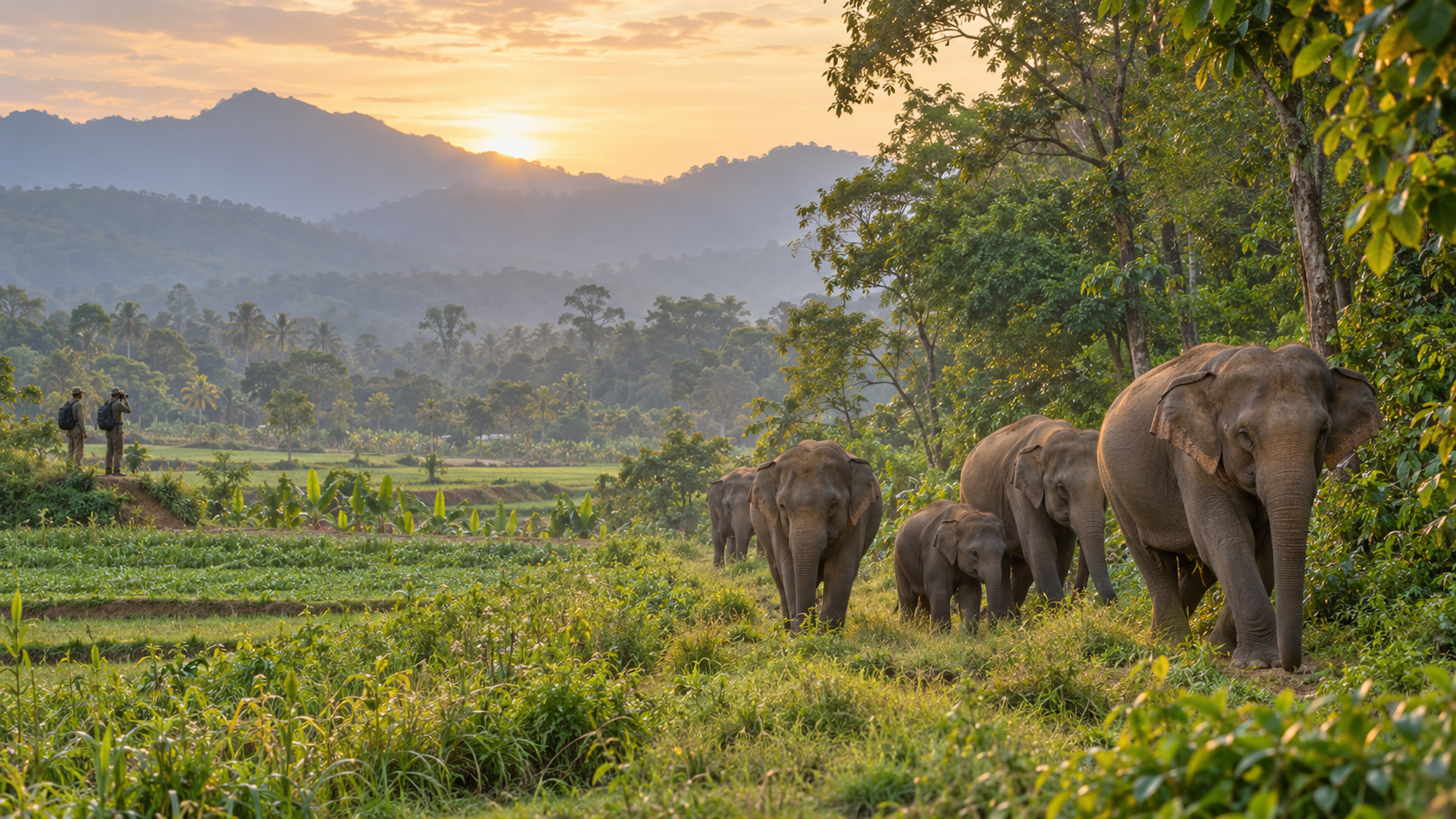
On 8 October 2026, WWF released its latest Living Planet Report. The headline is stark: the average size of monitored vertebrate wildlife populations fell by 73% between 1970 and 2022.
That number needs careful reading. It does not mean 73% of all animals have disappeared, nor that 73% of species are extinct. The Living Planet Index follows 35,803 population trends across 5,790 vertebrate species. Its 73% figure is the average proportional change in those monitored populations.
The detail is still devastating. WWF reports an average 95% fall in Latin America and the Caribbean, 80% in Africa and 49% in Asia-Pacific. Freshwater populations showed the steepest average decline at 85%.
Food is a biodiversity issue
The report names habitat loss and degradation—driven largely by agricultural expansion—as the most frequently reported pressure on wildlife. Food production also interacts with overexploitation, pollution and climate change.
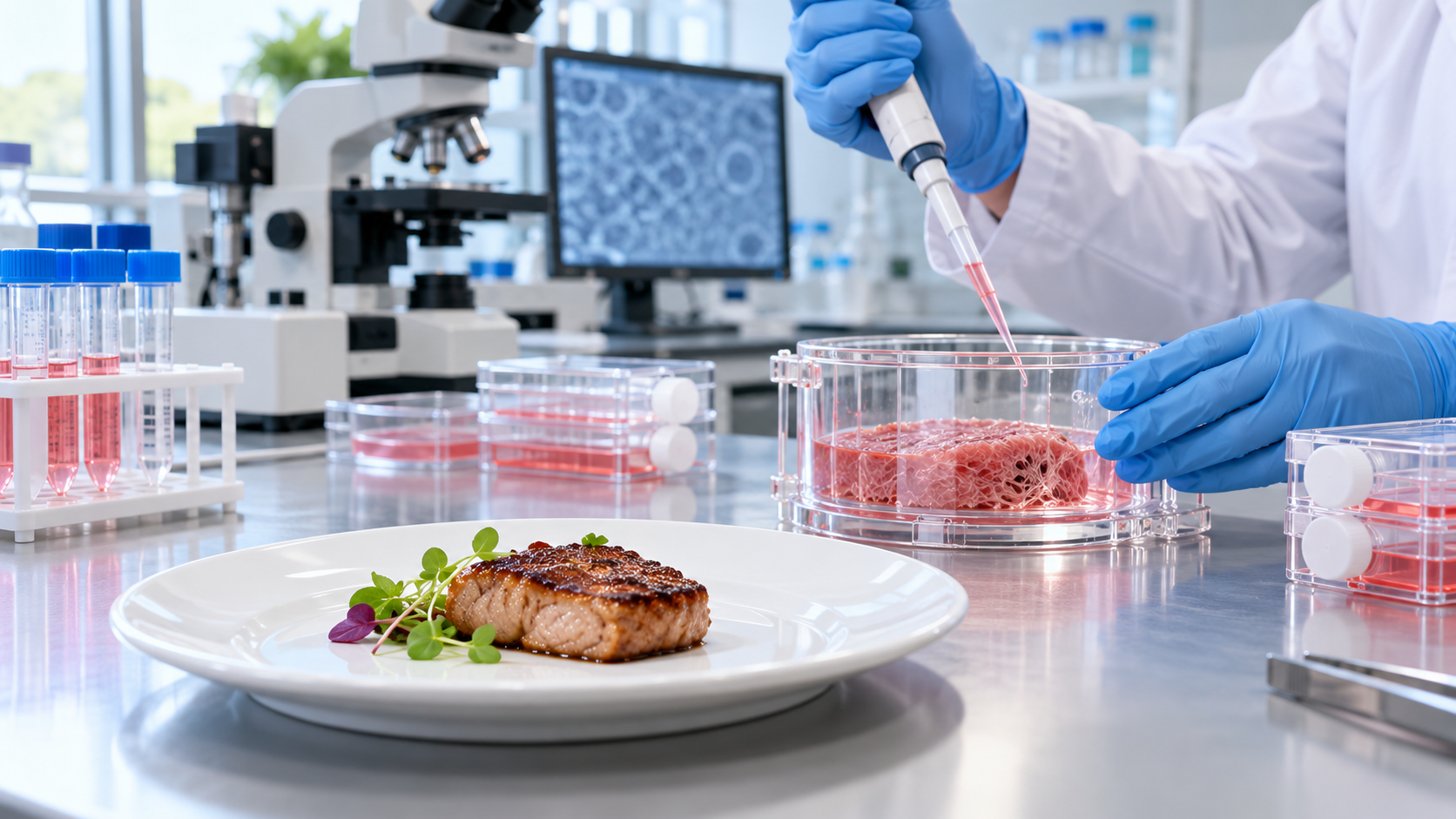
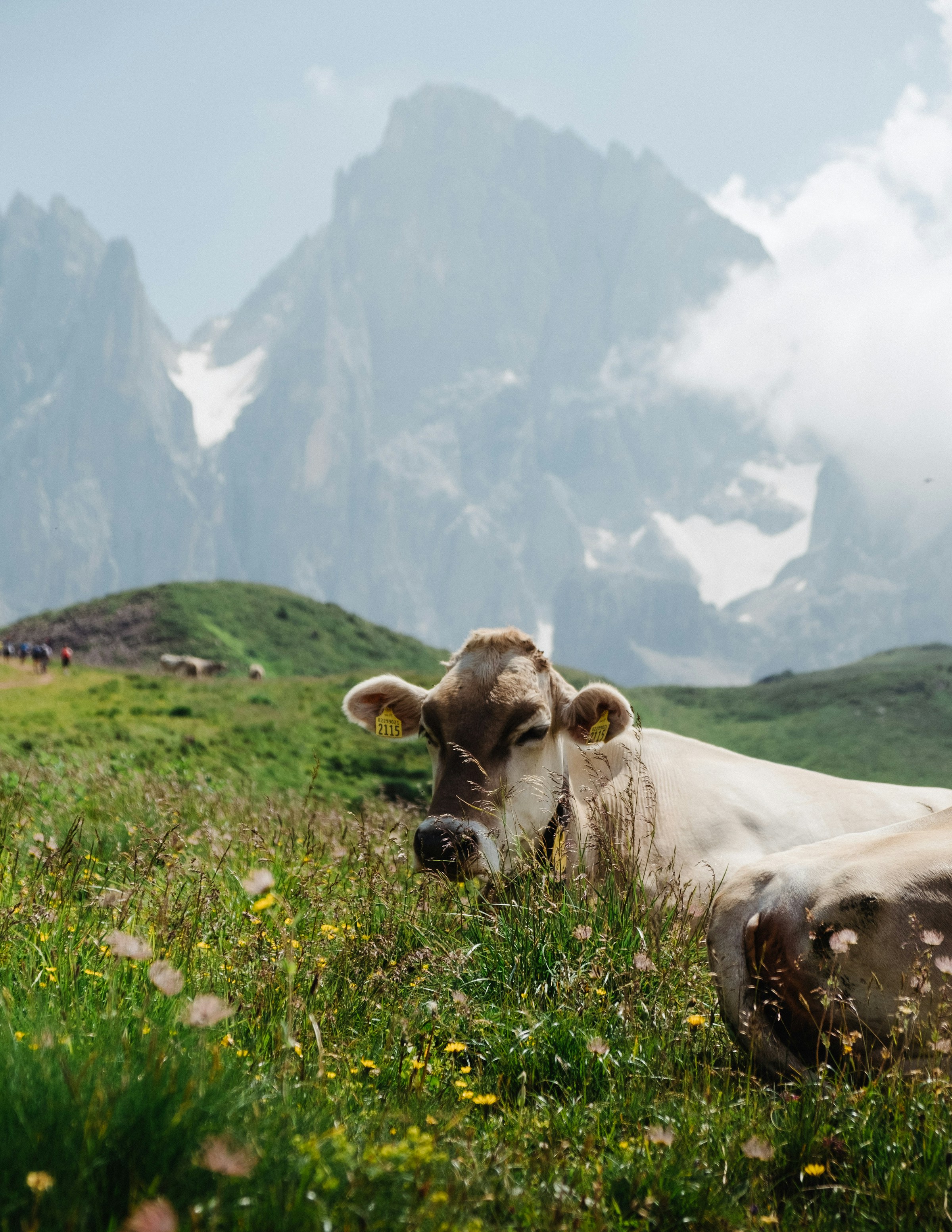
This is why a food conversation cannot stop at carbon. Every meal has a land, water and habitat story. When crops are fed to farmed animals and only a fraction of their energy becomes food for people, more land and feed are usually required than when people eat plants directly.
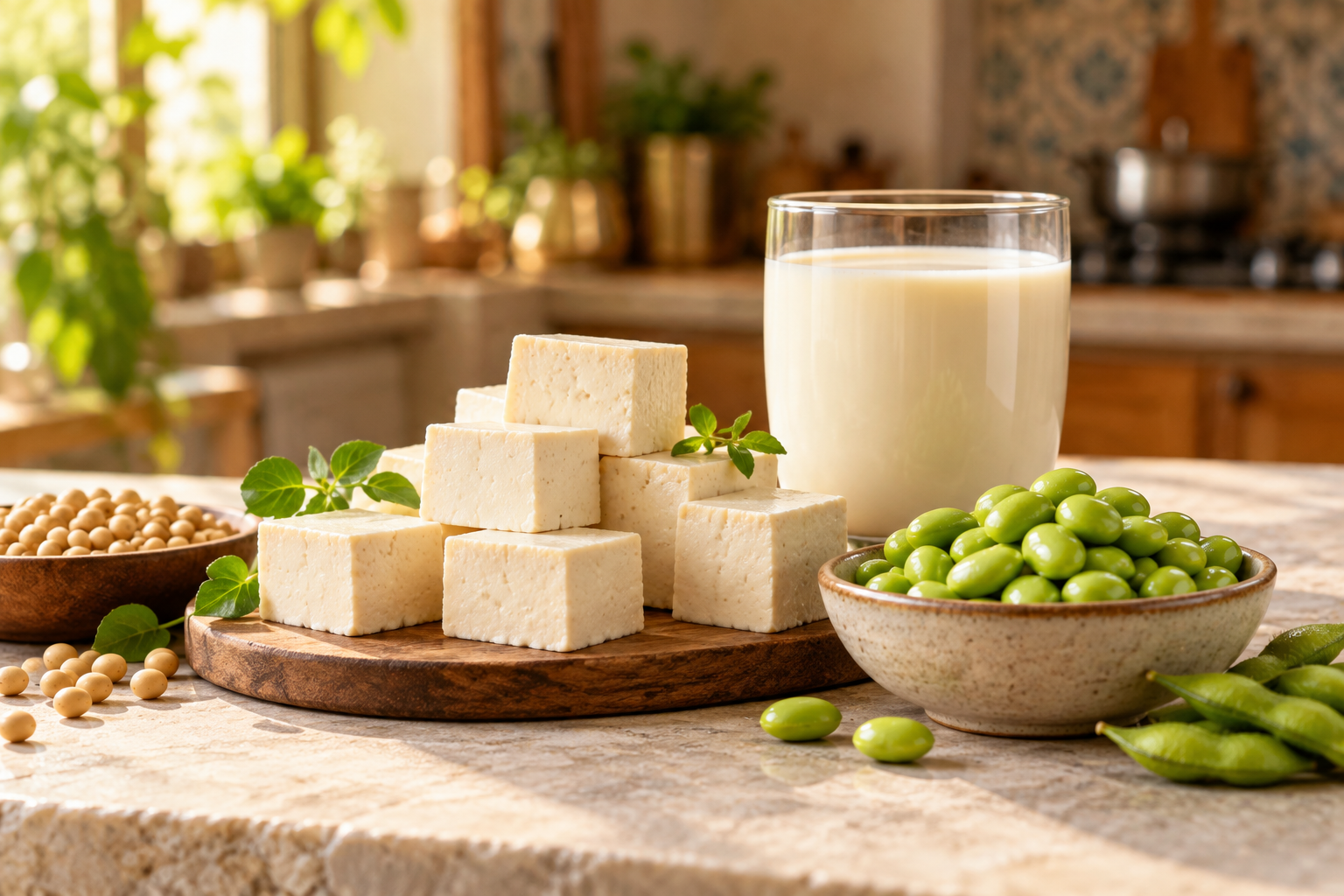
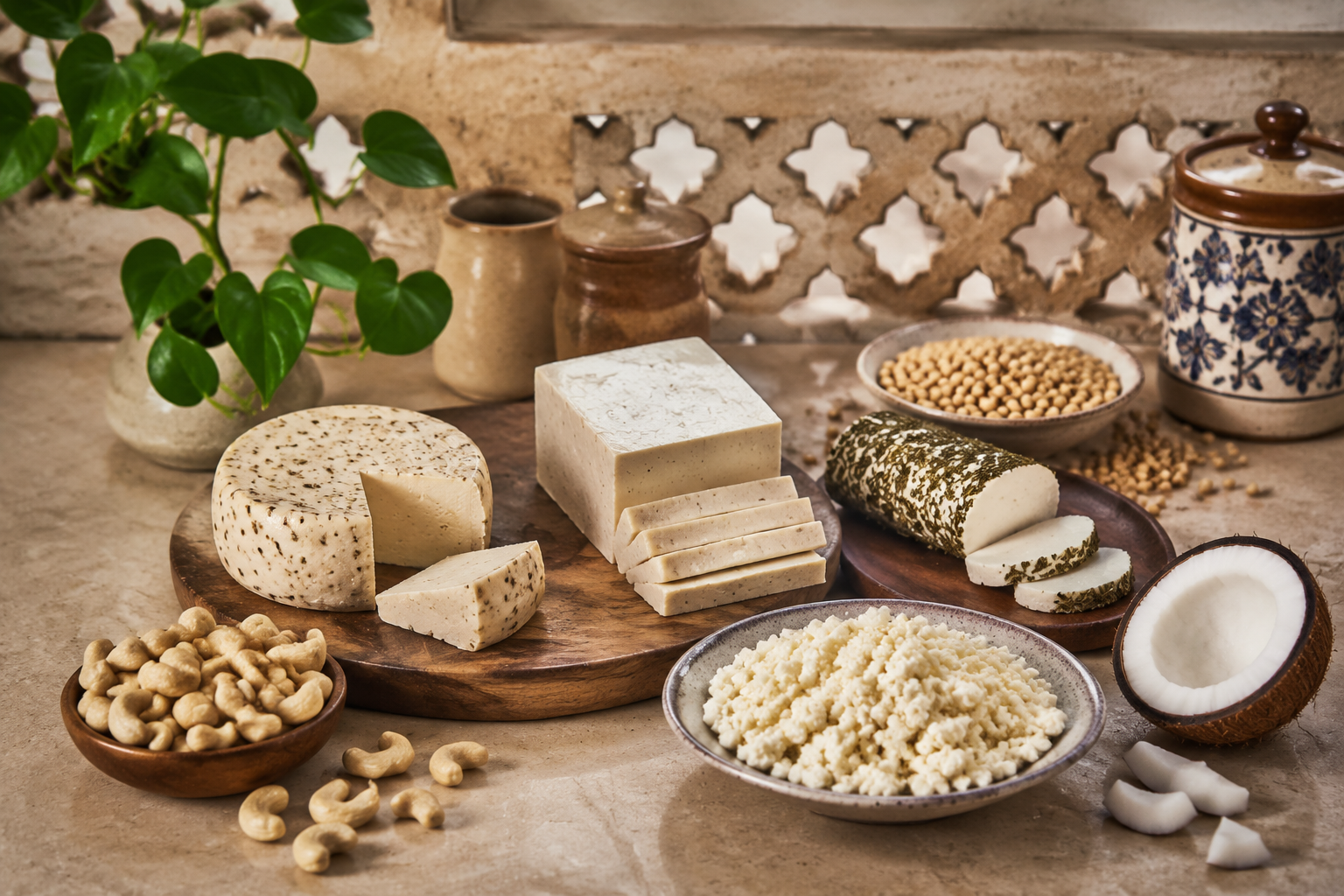
Soy is a useful example. Most soy is not eaten as tofu. Globally, the majority is processed into feed for chickens, pigs, cattle and farmed fish. Blaming tofu for deforestation misses the structure of the commodity system.
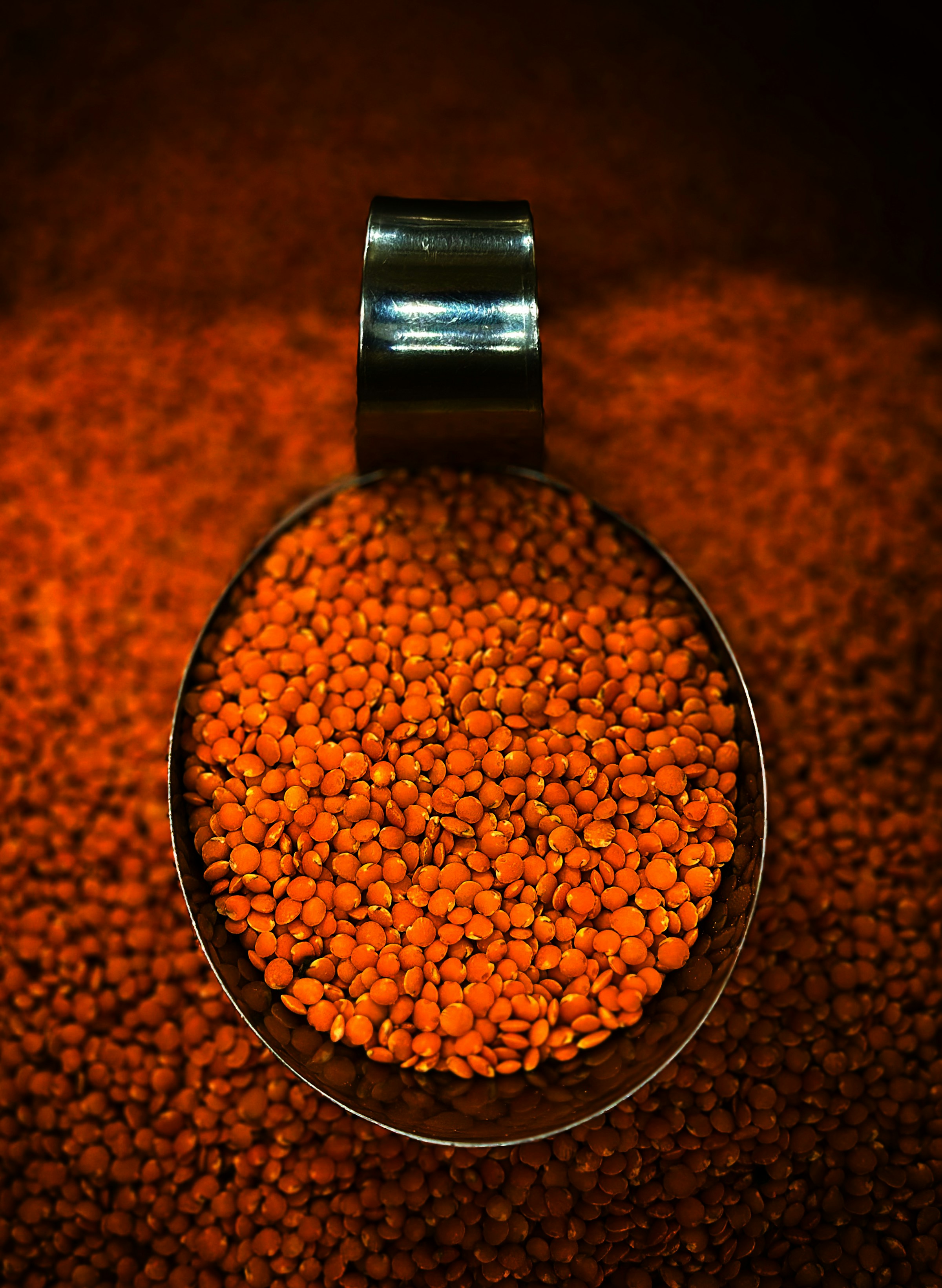
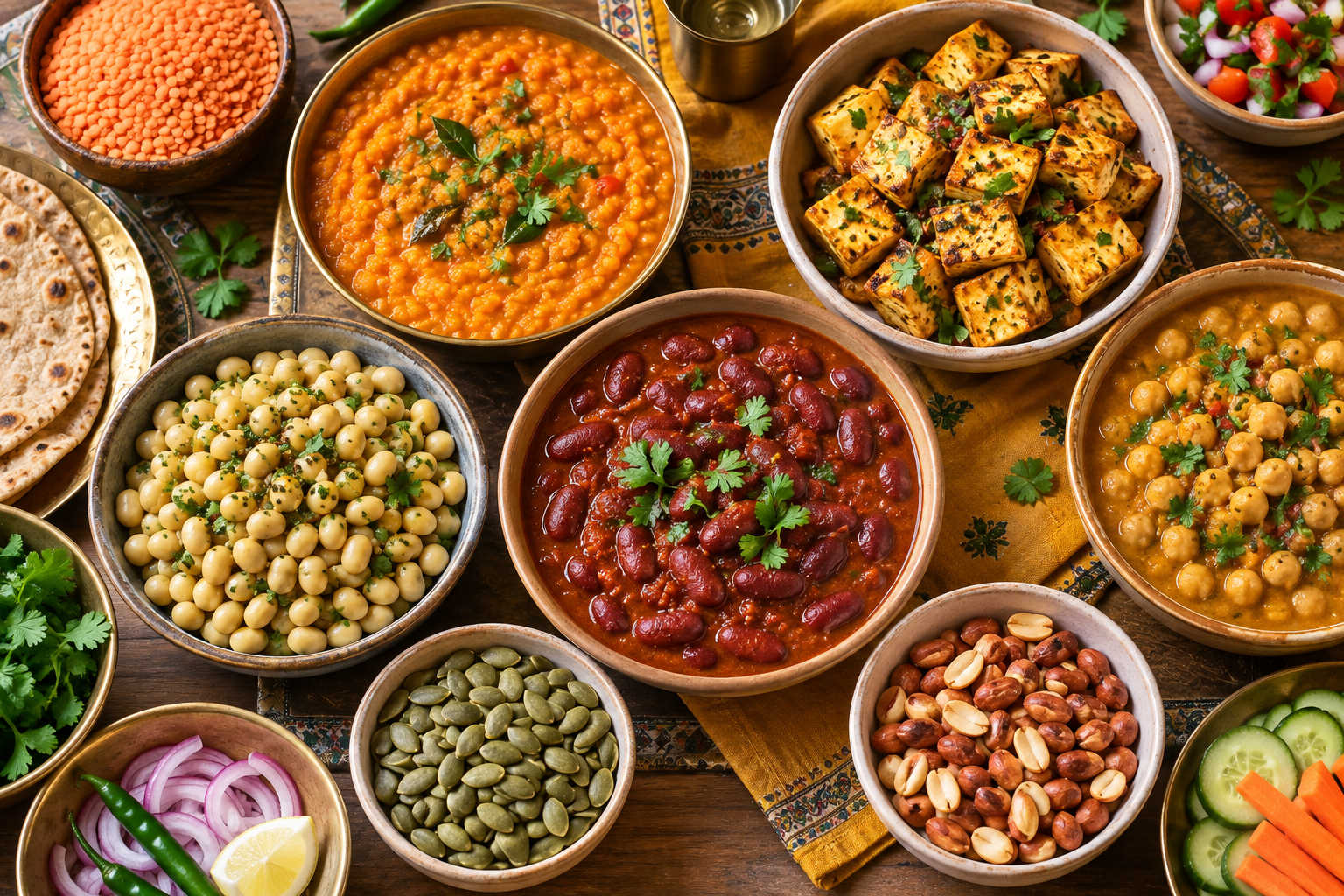
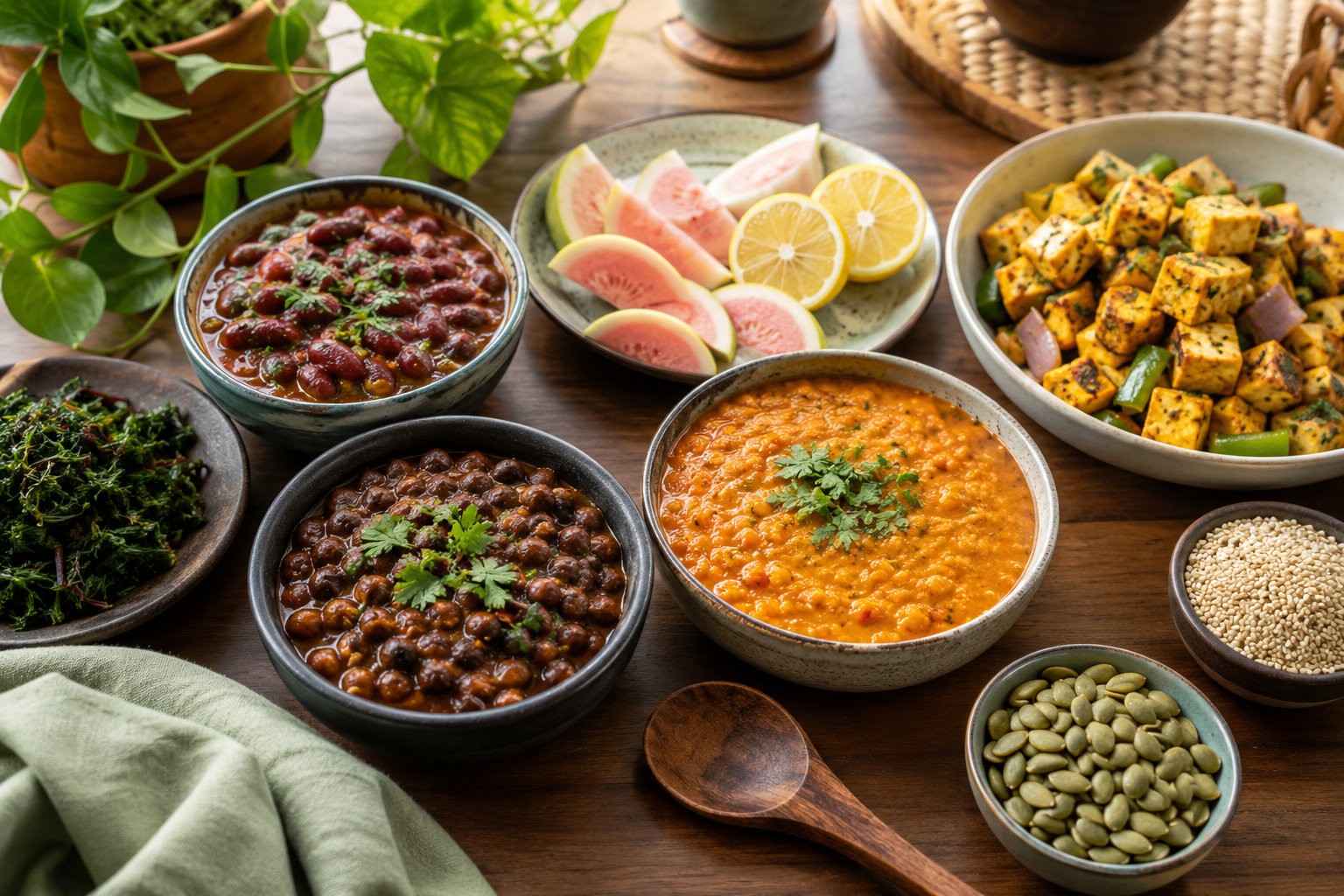
Choosing dal, chana, rajma, tofu, tempeh, peas, millets and other plant foods more often helps shift demand toward a food system that feeds people with fewer animal lives and less pressure on habitat.
What “nature-positive” should mean
Nature-positive food cannot be reduced to a green label. It means stopping conversion of forests and wetlands, restoring degraded ecosystems, protecting freshwater, reducing toxic inputs, supporting diverse cropping systems and respecting the rights and knowledge of local and Indigenous communities.
It also means confronting animal agriculture honestly. A system that breeds and kills billions of sentient animals while consuming vast quantities of crops and land is neither compassionate nor efficient. A just transition should help farmers move toward plant-protein crops and diversified livelihoods rather than abandoning rural communities.

What India can build on
India already has a rich plant-food vocabulary: dals, sprouted legumes, millet rotis, fermented batters, vegetable sabzis, sesame, peanuts and regional greens. The opportunity is not to import a narrow Western version of veganism. It is to strengthen affordable, culturally familiar foods while removing dairy, eggs and other animal products.
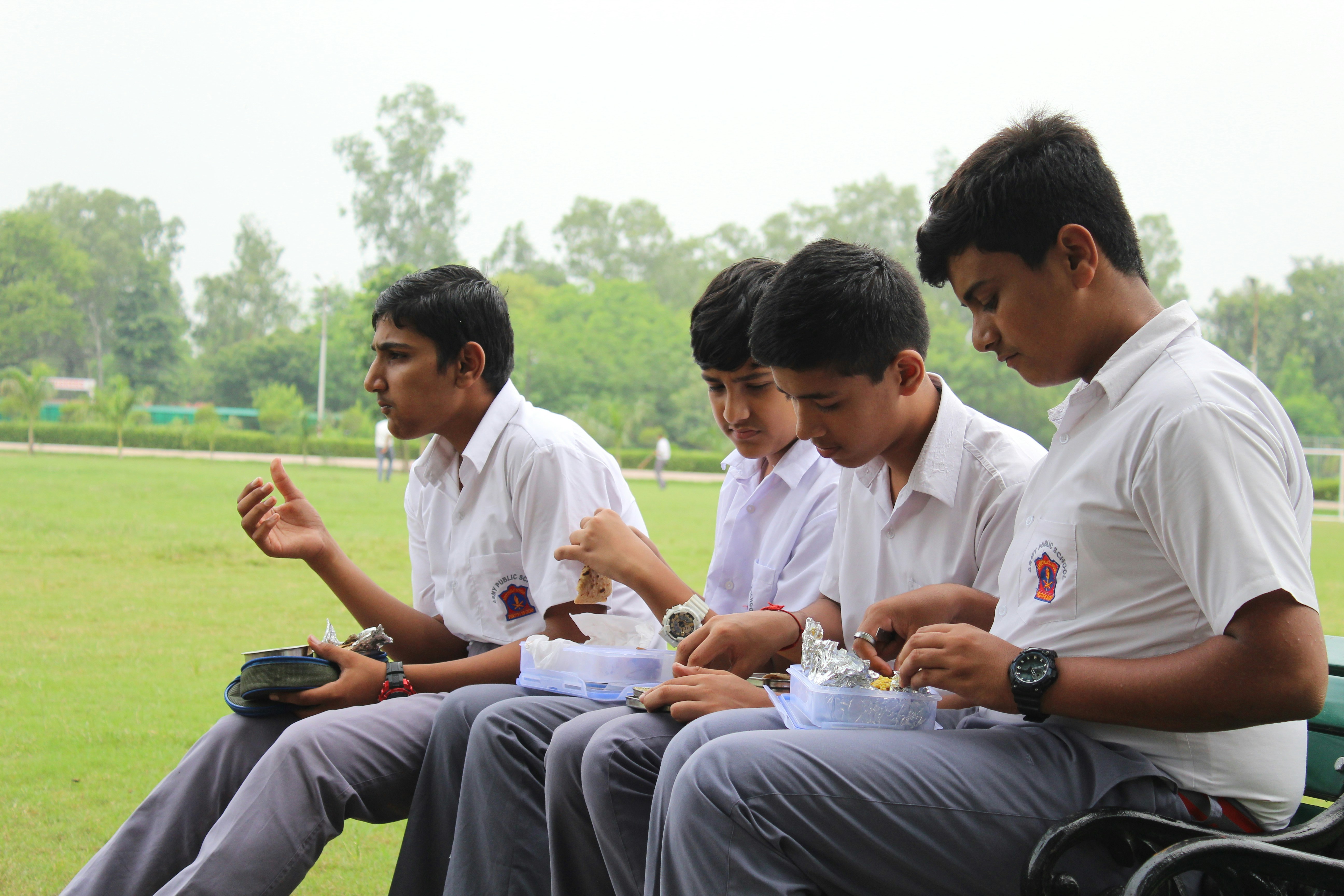
Public procurement can help. Schools, hospitals and government canteens can serve balanced plant-based meals built around pulses, grains and vegetables. Agricultural policy can support pulses, millets, horticulture and agroforestry instead of locking farmers into feed-intensive animal production.
Businesses have a role too. Credible nature plans should measure land conversion, water use and supply-chain impacts rather than treating a “plant-based” product as automatically sustainable. A coconut dessert wrapped in layers of single-use plastic is still a design problem; a bean product linked to cleared habitat is still a sourcing problem.
Five practical actions that scale
- Make plants the default. Start with familiar meals such as rajma-chawal, sambar-rice, chole, poha and vegetable pulao, checking that ghee, butter, curd and paneer are replaced.
- Eat a wider range of plants. Diversity on the plate can support dietary quality and a more resilient market for varied crops.
- Waste less food. Plan portions, store produce well and turn leftovers into soups, rolls or fried rice.
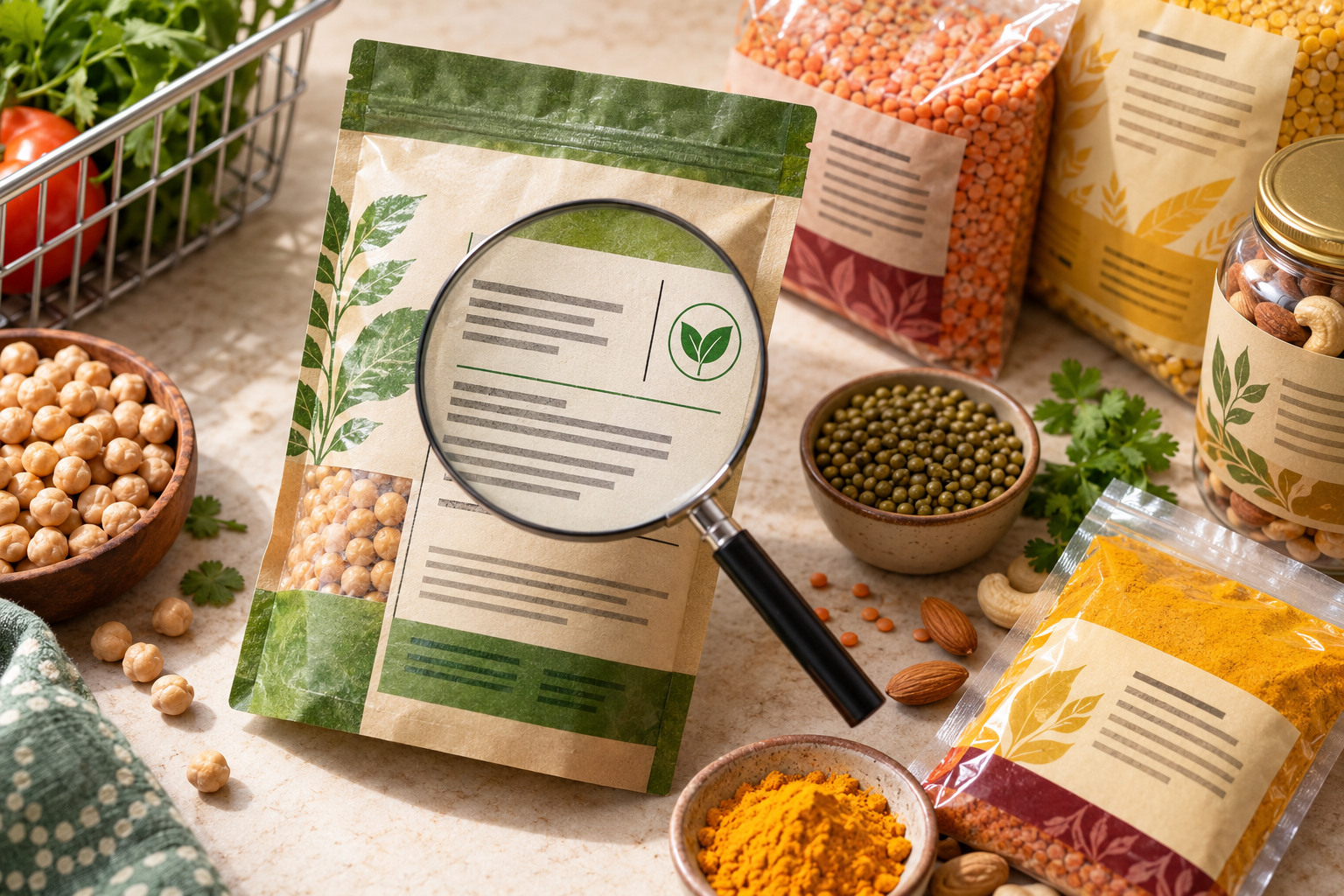
- Ask better questions. Look beyond “natural” marketing to ingredients, sourcing, packaging and deforestation policies.
- Back structural change. Support organisations and policies that protect habitat, improve farm livelihoods and expand plant-based public food.
For a practical next step, explore our guide to why plant-based food is a climate solution and cook a pulse-led meal from our vegan recipe collection.
There is still room for hope
The report is subtitled The Science of Hope for a reason. WWF points to recoveries in wild tigers, green sea turtles and bluefin tuna where governments, communities and businesses acted together. Around half of the monitored populations were stable or increasing; the overall index fell because declining populations fell so sharply.
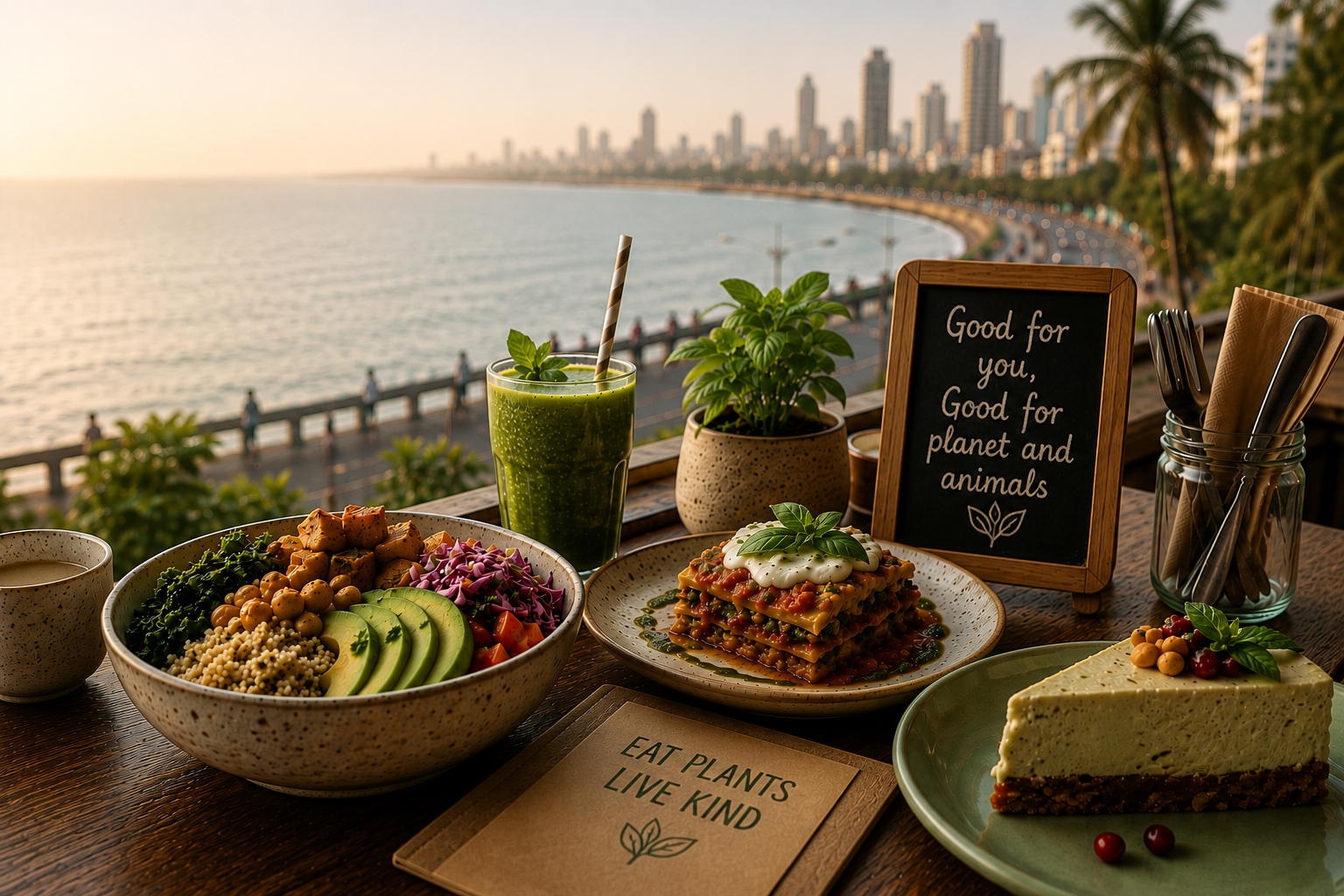
Hope is not permission to wait. It is evidence that coordinated action works. Moving food systems toward plants is one of the clearest ways to align everyday nourishment with more land for wildlife and fewer animals used as commodities.
Source note: figures are from WWF’s Living Planet Report 2026 and its 8 October 2026 press materials. The index measures average proportional change in monitored populations, not the total number of animals or species lost.





























Leave a Reply
Let us know what you think about the blog post above, we’re interested in hearing from you!