



Mindful living is the art of cultivating practices imbibed of awareness, presence and informed decisions making, when combined with compassionate choices can create a powerful framework for improving mental health and emotional resilience. Scientific researches demonstrate that all compassionate choices activate neural pathways associated with emotional regulation, decreases anxiety and depressive symptoms, and enhances overall psychological wellbeing of the person. This article explores the neuroscience behind these practices, the mechanisms through which compassion improves mental health and practical frameworks for integrating mindful, compassionate choices into daily life.
What is mindful living?
Mindful living goes beyond just meditation; it encompasses the development of awareness in each moment, which is applied to daily choices and actions. At its essence, mindfulness is about observing your thoughts and emotions without passing judgment, identifying patterns in your mental and behavioural responses, and choosing to respond thoughtfully instead of reacting instinctively. This essential skill empowers individuals to make informed choices instead of functioning on autopilot, where many stress- related and anxiety-inducing behaviours stem from. Mindfulness functions through three interrelated dimensions: attention regulation (staying focused on the present), awareness of mental processes (noticing thoughts without judgment), and emotional acceptance (permitting feelings to exist without resistance). When you practice mindful living with an awareness of the sentience and suffering of others, you engage in what could be termed "relational mindfulness" the intentional cultivation of moment-to-moment awareness in decisions that impact others, including animals. Animals are sentient beings capable of experiencing pain, fear, joy, and emotional depth. This broadened perspective on mindfulness alters everyday decisions what you consume, the products you choose, and how you engage with the natural environment transforming them into conscious choices rather than automatic, habitual actions.
The Neuroscience of Compassionate Mindfulness Towards Animals and Human Brain
Modern neuroscience has drastically changed our comprehension of animal minds. Studies reveal that animals from various species ranging from mammals to birds to cephalopods have the neurobiological frameworks required for subjective experiences: the ability to consciously experience pain, fear, pleasure, and intricate emotions. When humans acknowledge animal sentiments, a significant change occurs in the brain. Neuroimaging research indicates that perceiving animals as sentient beings (instead of mere commodities) activates the same empathy networks that respond to human suffering. This is crucial: your brain does not differentiate between human and animal suffering regarding essential neural pathways the anterior insula and anterior cingulate cortex illuminate in the same patterns.
Compassion Practice and Structural Brain Changes
Research on compassion meditation practices that are meant to help people feel compassion for everyone shows lasting changes in the brain. Studies from the University of Wisconsin-Madison found that just 14 days of meditation focused on compassion increased gray matter in brain areas related to emotional control and empathy, and these effects lasted for months after the meditation stopped. When this compassion is aimed at animals by being aware of their ability to feel pain and joy, the same brain pathways are strengthened. People who practice what we can call "animal-focused compassion" (which means being kind and aware of animals in their daily lives) show:
Better overall empathy: Caring for animals leads to more empathy for people.
More emotional flexibility: The ability to feel and handle a wider range of emotions without getting too stressed.
Less reactivity in the amygdala: A lower level of threat detection, which means feeling less anxious overall.
This is also backed by research on development: kids who learn about how animals can feel and the importance of being kind to them tend to have higher emotional intelligence and are better at understanding other people's perspectives in all their relationships.
Mental Health Advantages of Compassionate Living Towards Animals (Food Choices and Mental Health)
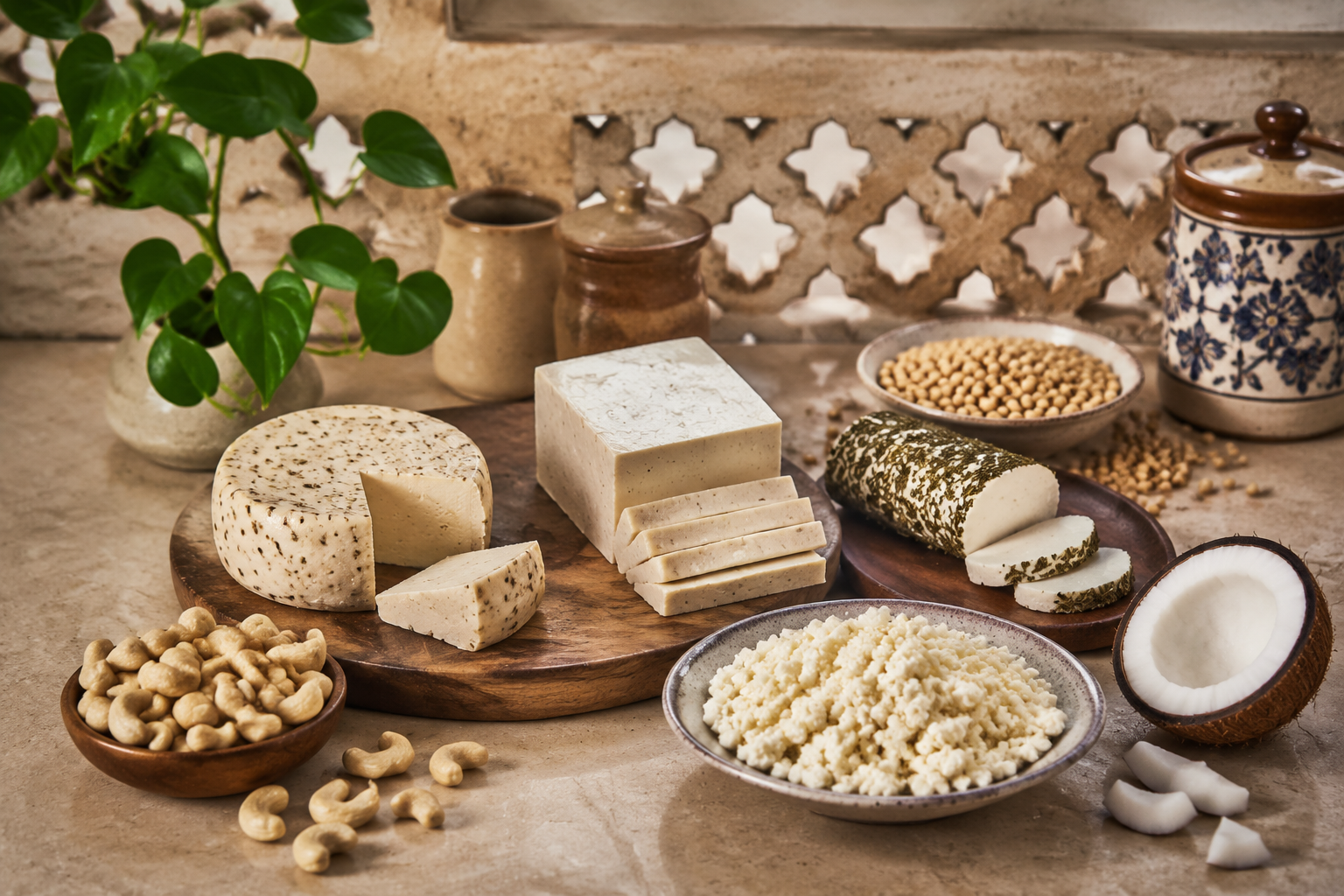
The connection between eating plant-based foods and mental health is becoming more obvious: when people choose this diet for animal welfare reasons, it really boosts their wellbeing. A study from BMJ Nutrition in 2022 found that high-quality plant-based diets can lower the risk of depression by 30%, especially in those who haven't experienced depression before showing strong benefits in preventing it.
These benefits happen through:
Neurochemical pathways: Whole plant foods give us important nutrients (like folate, magnesium, vitamin B6, and antioxidants) that are needed to make serotonin and dopamine.
Psychological reward: Knowing that your food choices help reduce animal suffering activates the brain's reward systems and makes you feel happier.
Value alignment: Acting in line with your ethical beliefs brings about “moral satisfaction,” which is a special and steady source of wellbeing.Research shows that people who choose plant-based diets for animal welfare reasons often feel less anxious, manage their emotions better, and have a stronger sense of purpose.
Human-Animal Connection and Emotional Strength
Besides helping animals, having strong relationships with pets can really help our mental health. Studies show that spending time with animals can reduce depression, lower stress hormones, and boost oxytocin levels, especially when the care for the animal is genuine.
For those who advocate for animals, being mindful and compassionate with them strengthens the brain pathways related to wellbeing and reinforces the commitment to not being cruel. Animals naturally show us how to be resilient they live in the moment, let go of stress through movement, and rest without feeling guilty teaching us lessons that humans often find hard to learn.
Practical Integration: Daily Mindful, Non-cruelty Practices (Mindful Eating as Ethical Practice)
Transform your meals into a mindfulness practice that respects both your body and your principles:
Pause before eating (2-3 minutes): Take a moment to sit in silence and contemplate the plants that contributed to this food think about the sun, rain, soil, and the farmers who played a role. This helps you feel grounded in gratitude and connection.
Recognize the absence of suffering (1 minute): Deliberately acknowledge that this meal is free from animal exploitation or suffering. Many practitioners find that this acknowledgment fosters a deep sense of moral satisfaction and tranquility.
Sensory engagement (full meal): Involve all your senses while eating observe the colors, textures, aromas, and flavors. Studies indicate that mindful eating enhances both nutritional absorption and psychological satisfaction, making the meal more fulfilling on every level.
Value alignment check: Regularly consider how this eating practice reflects your values. This strengthens the neural connections linking your food choices to your identity and purpose.
This practice has a lot of benefits, it helps with digestion, improves how well you absorb nutrients, makes you feel more satisfied with smaller meals, and keeps reminding you that your actions match your values.The evidence shows something important choosing not to be cruel to animals is more than just a moral choice or a way to help the environment it’s actually a really good practice for your mental health.
When you make choices that are kind and match your values, you help your brain become stronger emotionally, find more purpose, and feel better overall. You reduce the conflict in your mind, activate the parts of your brain that make you feel good about doing the right thing, and connect with others who care about the same things.
This way of thinking isn’t about feeling guilty, trying to be perfect, or giving things up. It’s really about realizing that your mental health and the care for animals are linked, and that being kind to all living beings can also make you feel better mentally.
For people who care about animals and those who want to live more kindly, these ideas can help eat mindfully while respecting your body and values, show kindness to animals, get involved with others who share your goals, and be kind to yourself when things get tough.
This change is quiet and personal millions of people are making choices every day to live more according to their values. But together, these choices have a big impact: they help individual mental health, improve animal welfare, and create a kinder world.
Start from where you are. Pick one kind action to try this week. Notice how it feels to make your actions match your values. This small act of being true to yourself can help you feel better in many ways.
Ravinandan Bajpai, B.B.A. LL. B(HONS.),
School of Law, University of Mumbai

















Leave a Reply
Let us know what you think about the blog post above, we’re interested in hearing from you!