


If you walk into any supermarket, you'll see bright packages of plant-based meat substitutes, dairy-free cheeses, and vegan ready-to-eat foods. With headlines warning about "ultra-processed vegan diets," it’s easy to think that going plant-based means eating a lot of processed junk. But the reality is much more complex and way more interesting. Let’s look at what science really says about vegan foods, processing, and health.
1. Understanding "Ultra-Processed" First
Before we can figure out if vegan foods are ultra-processed, we need to know what "ultra-processed" really means. People often use the term without thinking, but researchers have a special classification system called NOVA. This system sorts foods into four groups based on how much industrial processing they go through:
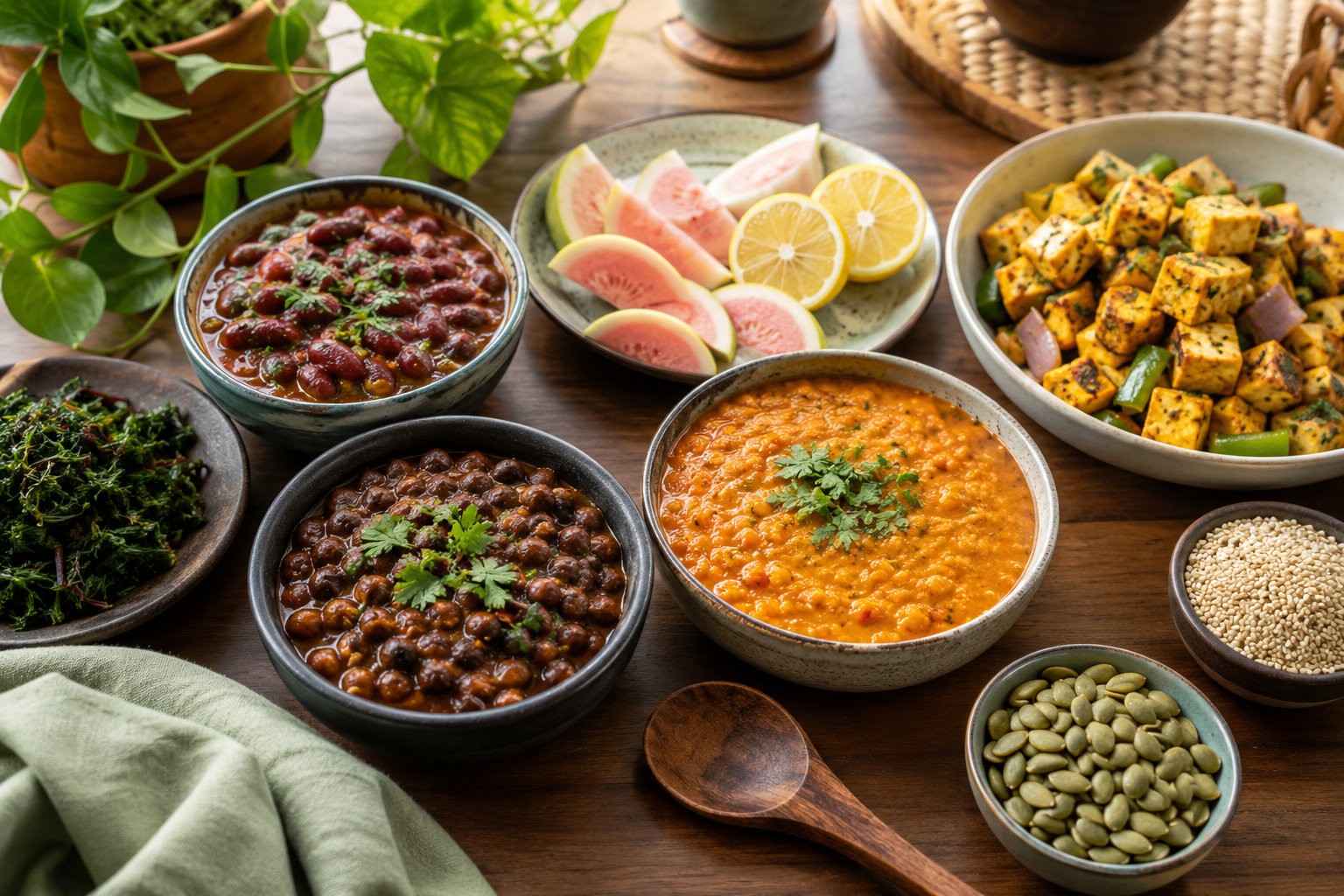
Group 1: Unprocessed or minimally processed foods – This includes whole fruits, vegetables, legumes, grains, nuts, and seeds. Freezing, chilling, or chopping counts as minimal processing.
Group 2: Processed culinary ingredients – These are oils, butter, sugar, and salt that come from Group 1 foods and are used in cooking.
Group 3: Processed foods – These are things like canned vegetables, salted nuts, or whole grain bread that have only a few extra ingredients added.
Group 4: Ultra-processed foods (UPF) – These are industrial products that have ingredients not usually found in home kitchens like artificial additives, refined oils, and extra sugar or salt added during production. It’s important to note that the NOVA system doesn’t label foods as simply "good" or "bad." It just looks at how far a food has strayed from its original form.
2. The Vegan Ultra-Processing Reality
Here's where it gets interesting: vegans aren't the only ones who eat a lot of ultra-processed foods. A study from Germany in 2025 looked at college students and found that ultra-processed foods made up 46.2% of the energy intake for vegans, 50.5% for vegetarians, and 48.7% for omnivores. This means that almost half of everyone's diet includes ultra-processed foods, no matter what kind of diet they follow.
However, the types of ultra-processed foods people eat are quite different. In the study, all vegans (100%) ate plant-based alternatives like meat and dairy substitutes, while only 55% of omnivores did. This means that a larger part of the ultra-processed foods that vegans eat comes from plant-based alternatives instead of other sources.
But here's the important point that researchers are highlighting now, not all ultra-processed foods are the same. A review in 2025 that compared ultra-processed plant-based foods with unprocessed animal-based foods found something surprising: even though plant-based meatalternatives and plant-based milks are considered ultra-processed, they often have better health profiles than unprocessed animal products.
3. The Plant-Based Alternative Paradox
Plant-based meat alternatives are a bit of a mystery. Almost all of them (96%) are seen as ultra-processed, while only 66% of regular meat products are. Yet studies show that they lower health risks compared to the meat they replace.
If we look at the nutrition, plant-based meat alternatives have 15% less saturated fat, 4% more fiber, and no cholesterol when compared to regular meat. Likewise, plant-based dairy alternatives have 26% less saturated fat and 4% more fiber than dairy products, even though they are more ultra-processed than dairy.
An Oxford researcher shares an important point: "We should aim for meals based on whole foods as the base of our diet, but ultra-processed plant-based foods often have much better nutrition than ultra-processed meat products. One study showed that vegan sausages had double the nutritional score of pork sausages."
This is important because public health needs to recognize how people actually eat. For someone moving from a meat-heavy diet to a plant-based one, ultra-processed plant-based options can be helpful "stepping stones" that lower saturated fat and cholesterol while encouraging healthier eating habits.
4. What About Whole Plant Foods?
The key difference isn't really between vegan and meat-eating dietst's about whole foods versus ultra-processed foods in each type of diet.
Whole plant-based foods are widely available and truly minimally processed: legumes (like lentils, chickpeas, and black beans), tofu and tempeh (which are seen as processed or minimally processed, not ultra-processed), nuts, seeds, whole grains, fruits, and vegetables. A 2024 Food Foundation study that looked at 68 different protein options found that beans, grains, tofu, and tempeh the more traditional plant proteins provide better environmental and health advantages compared to newer meat alternatives.
Interestingly, vegans actually eat more unprocessed foods overall. A French study discovered that while vegans consumed more ultra-processed foods (39.5% of their energy), they also got 31.2% of their calories from unprocessed foods, compared to 29% for meat eaters. This indicates that vegans are enjoying a wider variety of foods both whole foods and processed options rather than just eating more processed items.
5. The Real Health Risk
New studies show a real issue: it’s not about whether food is vegan or not, but if it’s whole or ultra-processed. A 2024 study in The Lancet looked at data from around the world and found that when people eat 10% more ultra-processed foods (no matter where they come from), they have a much higher chance of getting heart disease and strokes.
But, ultra-processed plant foods seem to affect health differently than ultra-processed animal foods. Whole plant foods are the best choice, but ultra-processed plant foods are better than ultra-processed animal foods when it comes to things like saturated fat, cholesterol, and fiber.
6. Quality Matters Most
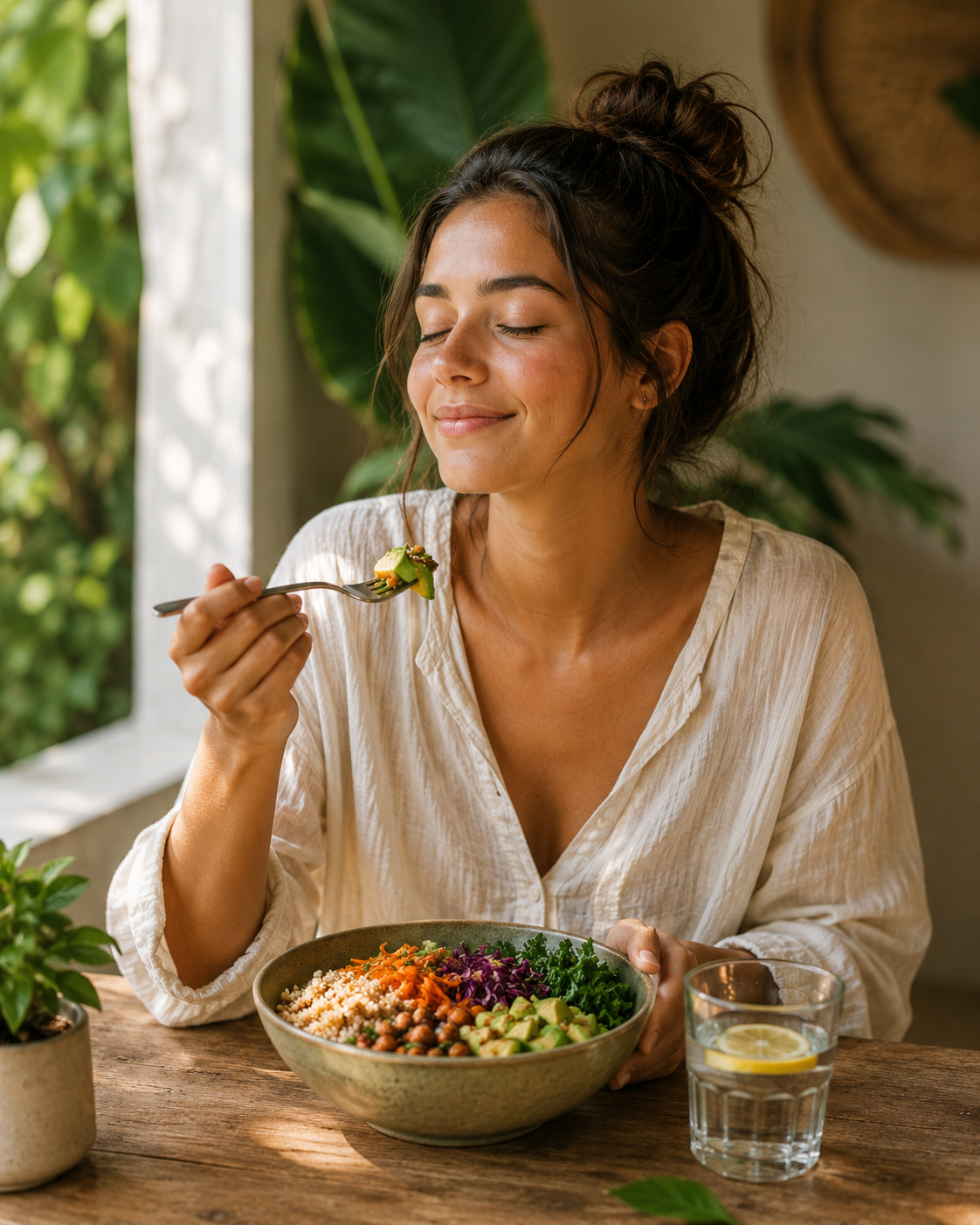
Experts agree: the quality of a vegan diet is more about eating whole foods than just having plant-based options. If someone mostly eats beans, lentils, tofu, tempeh, whole grains, fruits, and vegetables, they will get the health benefits of being vegan. But if someone eats a lot of vegan junk food like ultra-processed plant-based meats, refined carbs, and sugary drinks they miss out on those benefits.
This is also true for people who eat meat. An omnivore who eats whole foods will be healthier than one who eats processed meats, ultra-processed snacks, and convenience foods, no matter how much animal products they have.
7. The Bottom Line
Vegan foods are not automatically ultra-processed. While some plant-based options like modern meat substitutes and plant-based milks are ultra-processed, they are not more processed than regular meat alternatives, and studies show they can be healthier than animal-based options.
The main question isn't about picking vegan or omnivorous it's about focusing on whole, minimally processed foods no matter what diet you follow. A whole-food plant-based diet that includes legumes, grains, vegetables, fruits, nuts, and seeds has amazing health benefits. On the other hand, a plant-based diet that relies on ultra-processed options loses some of those benefits (but not all) yet is still better than a diet full of ultra-processed omnivorous foods.
So, what's the answer? Make whole foods the base of any diet you choose, use ultra-processed options as a way to help you transition or for convenience instead of making them your main foods, and remember that the quality of your diet is more important than the type of diet you follow.
Ravinandan Bajpai, B.B.A. LL. B(HONS.),
School of Law, University of Mumbai










Leave a Reply
Let us know what you think about the blog post above, we’re interested in hearing from you!