


When people start talking about veganism, one question always comes up: "But where do you get your protein?" This question, asked with real concern or a skeptical look, shows just how much protein myths are stuck in our minds. However, the scientific facts tell a very different story than what most people think. Let's look at what solid research really says about protein and plant-based diets, and figure out what's true and what's not.
Myth 1: Plant Proteins Are "Incomplete" and Not as Good
For many years, people believed that plant proteins didn't have all the essential amino acids, making them less nutritious than animal proteins. This idea comes from old nutritional science that looked at foods one by one instead of considering how we actually eat.
Here's the truth: While it's true that some individual plant foods might be lower in one or more of the nine essential amino acids, this doesn't matter if you eat a variety of foods throughout the day. A major study in 2024 published in JAMA found that most vegans (95% of the 774 people studied) got enough protein and essential amino acids. The important thing isn't to have a perfect meal every time; it's to have a diverse diet.
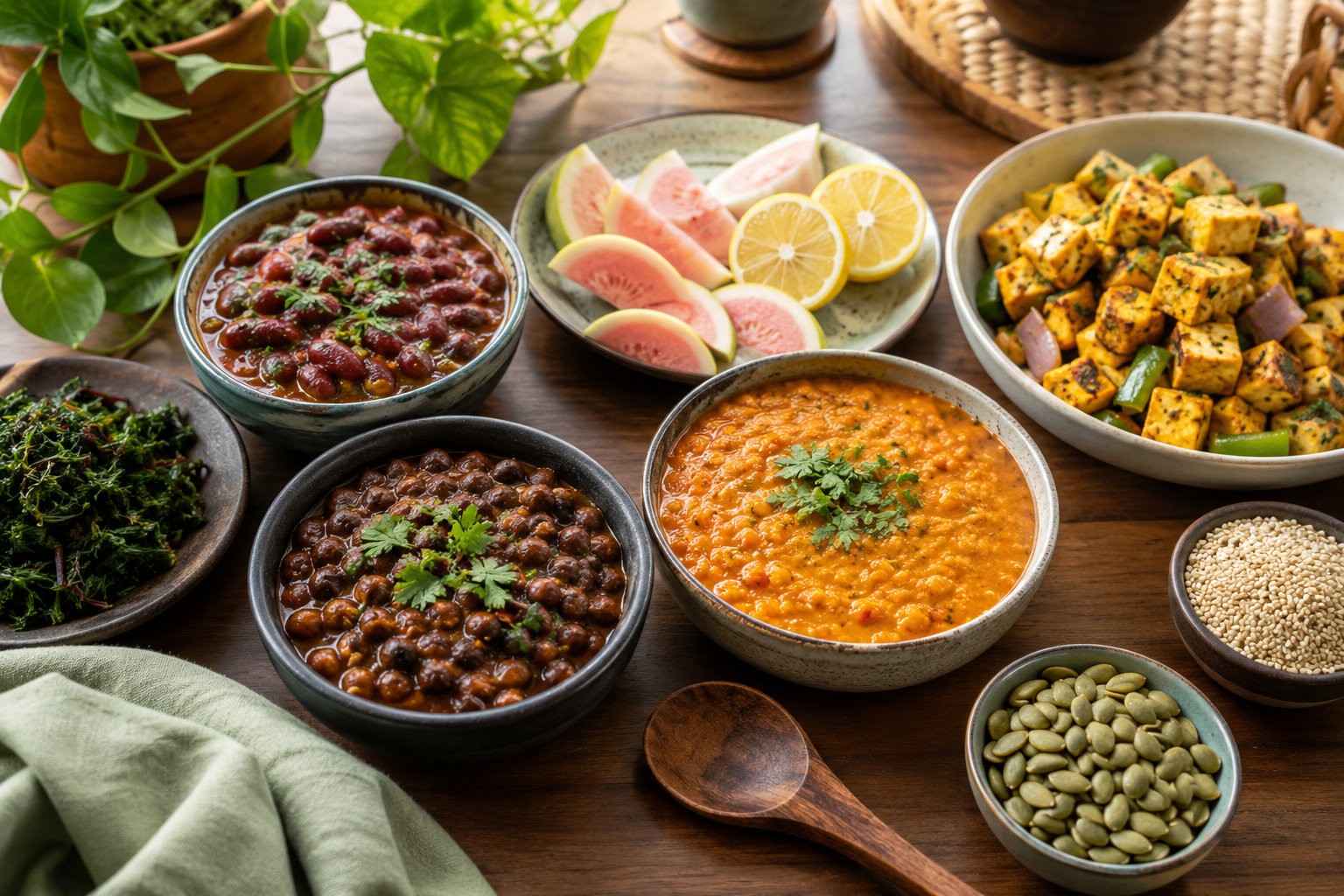
Traditional food pairings show this idea perfectly. Rice and beans, which are common in many cultures, create a complete protein because rice is low in lysine but high in methionine, while beans are the opposite. The same goes for pita and hummus, chickpea curry with rice, and whole wheat bread with peanut butter, all of which provide complete amino acid profiles when eaten together. Plus, modern plant-based foods like quinoa, hemp seeds, soy products, and spirulina are complete proteins on their own, containing all nine essential amino acids.
Myth 2: You Can't Build Muscle on a Vegan Diet
Professional athletes like ultramarathoner Scott Jurek, tennis champion Venus Williams, and bodybuilders who thrive on plant-based diets have already proven this myth wrong in real life. Science has now caught up to support their achievements.
A 12-week resistance training study showed that pea protein isolate was just as effective as animal protein for building muscle thickness and strength in trained men. A 2024 study on competitive futsal athletes found that well-planned vegan diets improved muscle mass and cellular efficiency, even without changing their training routines. Research consistently indicates that when vegans get enough total protein and calories while following a structured resistance training program, muscle growth happens normally.
The scientific explanation is simple: what really matters for muscle protein synthesis is the total availability of amino acids, not where they come from. The amino acid leucine, which signals muscle growth, is plentiful in plant proteins. The issue isn't whether muscles can grow on plant protein they can but whether a person eats enough through careful meal planning.
Myth 3: Plant Proteins Damage Digestion
Another common belief is that plant proteins are "heavy on the gut," harder to digest, and cause digestive problems. Research shows the opposite is true.
A 2025 systematic review comparing the digestion of plant and animal proteins found that plant proteins are often easier to digest than animal proteins. Additionally, animal proteins create excess metabolites that can harm colon health, while plant proteins, especially when paired with the natural fiber they contain, usually promote better digestive health. A major benefit of eating plant-based is that it generally includes more fiber something animal proteins completely lack which is good for both digestion and overall metabolic health.
That being said, how well food is digested can change a lot based on how the food is processed. Things like fermentation, sprouting, and heating can make plant proteins easier to digest by breaking down substances that stop nutrients from being absorbed. This is why some processed plant proteins are absorbed better than whole foods when they are eaten raw.
Myth 4: Vegan Athletes Have Poor Performance
The idea that vegans are weak and can’t climb stairs easily is not true according to the facts. A detailed review from 2021 in PMC looked at how vegetarian and vegan athletes perform and found no real differences when compared to those who eat meat. In fact, there was a trend showing that athletes did better after switching to plant-based diets for both endurance and strength training.
One reason for this is that vegans and vegetarians eat about 16% more carbohydrates than meat- eaters, which helps a lot during tough endurance activities since carbs are the main energy source. Studies that compared vegan runners to those who eat meat showed no difference in overall aerobic ability, but vegans often had a higher relative VO₂max (which is adjusted for body weight) because they usually weigh less.
Interestingly, a study at Stanford University with twins found that those who started a healthy vegan diet saw heart health improvements in just four weeks. This included much lower LDL cholesterol, lower insulin levels, and weight loss all of which help with athletic performance.
Myth 5: Vegan Diets Offer No Metabolic Benefits
Even though some people think that plant-based diets might slow down metabolism, studies show that plant proteins help keep lean muscle and metabolic health just as well as animal proteins do. When researchers replaced animal protein with plant protein while keeping the calories the same, the results were better for plants: slight weight loss, less body fat, and better cholesterol levels.
The Nuance: Quality Matters
Even though science shows that well-planned vegan diets are good, there’s one big thing to remember: planning is super important. A study from New Zealand in 2024 found that while most vegans got enough protein overall, only 56% had enough of all the essential amino acids when adjusted for how well they digest. The main nutrients that were lacking were lysine andleucine, which need special attention through foods like beans, nutritional yeast, and processed soy products.
This shows that not every vegan diet is automatically good enough. The vegans who did well in studies ate a variety of whole foods or carefully used supplements and plant-based meat options not just junk food pretending to be vegan.
The Bottom Line
Scientists agree: well-planned vegan diets can give you complete protein, help build muscle, boost athletic performance, improve heart health, and don’t need any special supplements beyond what’s usually recommended. The question "where do you get your protein?" is based on old myths about nutrition, not real evidence.
So, what’s the main point? Whether you eat meat or not, what really matters is choosing your food wisely, getting enough overall, and having a variety in your diet. Research shows that plants can definitely meet all your protein needs if you approach it with knowledge and care.
Ravinandan Bajpai, B.B.A. LL. B(HONS.),
School of Law, University of Mumbai











Leave a Reply
Let us know what you think about the blog post above, we’re interested in hearing from you!