


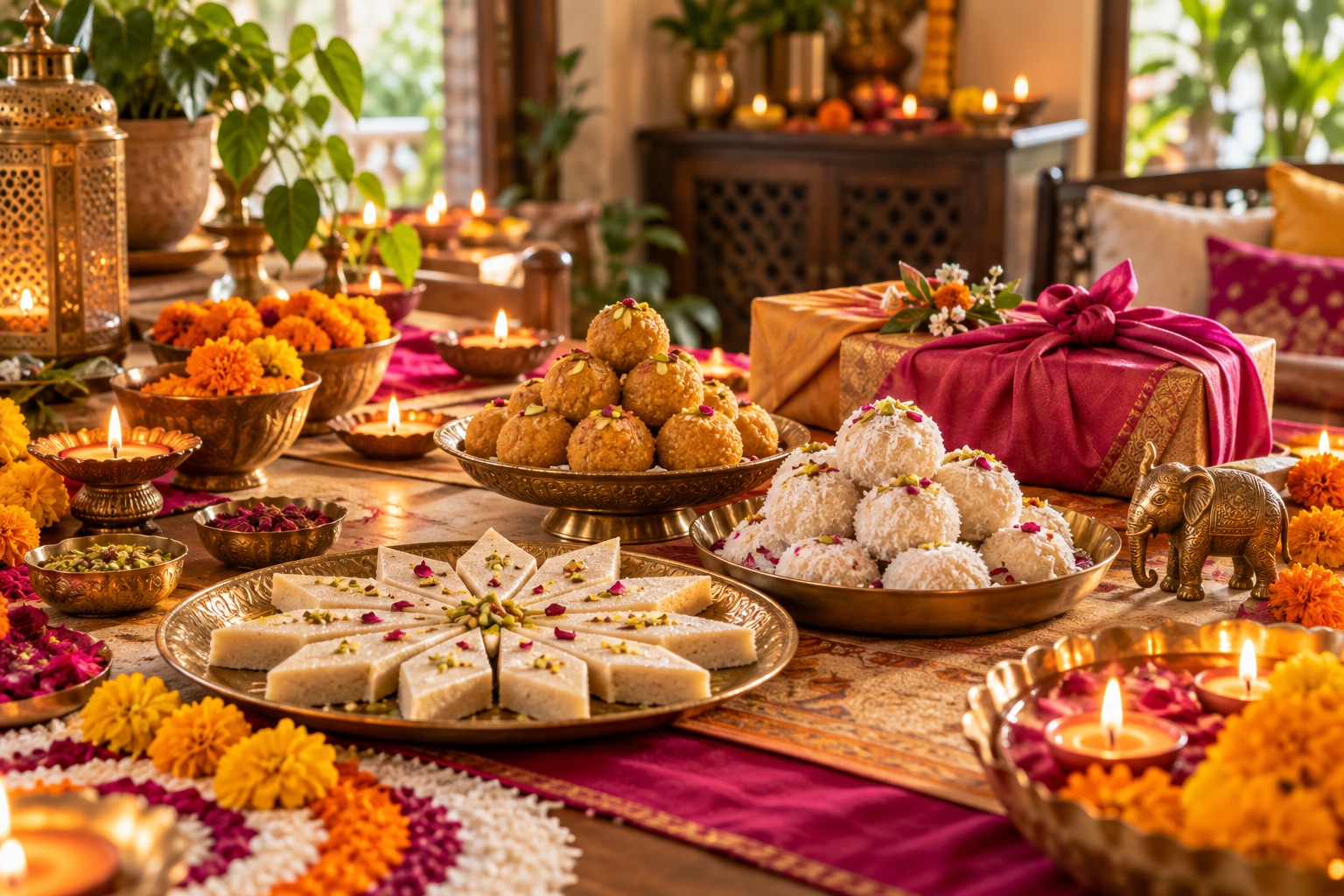
Diwali can celebrate light, generosity and renewal without relying on dairy, silk, leather or fireworks that distress animals. A vegan Diwali is not about removing joy from tradition. It is about keeping the beauty—family, food, diyas, rangoli and gifting—while making the celebration more consistent with ahimsa.
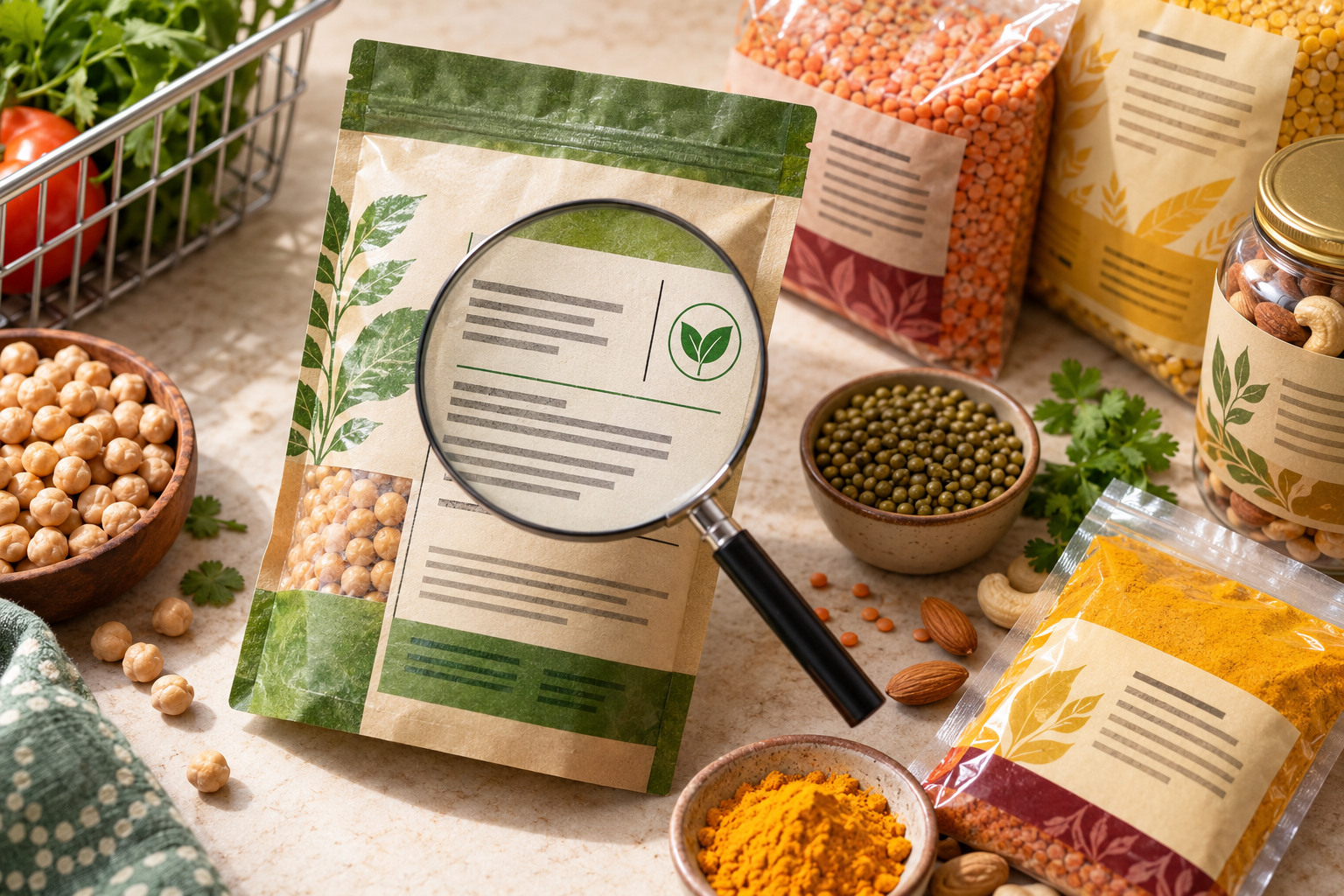
The easiest place to begin is the festive table. Many Indian sweets can be veganised beautifully, but conventional versions often contain ghee, khoya, milk powder, condensed milk, butter or paneer. Ask clearly, read labels and choose makers who can confirm every ingredient.
Build a vegan mithai box
Look for sweets based on nuts, gram flour, coconut, sesame, peanuts, dates or jaggery, then confirm what binds and cooks them. “Dry” does not automatically mean dairy-free: kaju katli may be finished with ghee, besan ladoo commonly contains ghee, and even nut-based sweets can use milk powder.
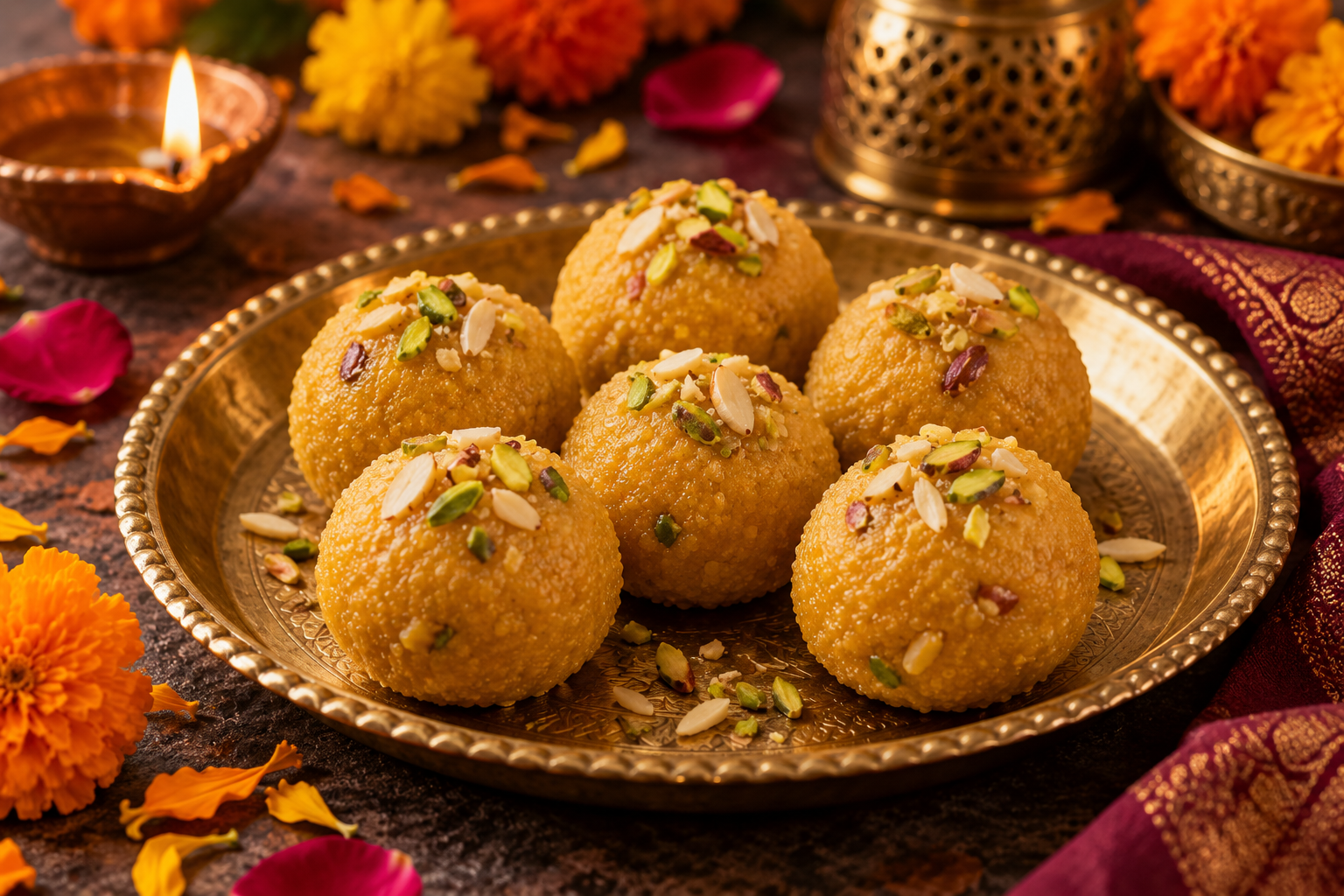
- Besan ladoo: use coconut oil or a neutral-flavoured vegan butter instead of ghee.
- Kaju katli: cashews, sugar and water can be enough; confirm there is no ghee or milk powder.
- Coconut ladoo: use coconut milk or cashew cream instead of condensed dairy milk.
- Makhana kheer: simmer fox nuts in soy, almond or coconut milk and finish with saffron and cardamom.
- Dates-and-nut bites: naturally sweet, travel well and need no dairy binder.
- Shankarpali or mathri: replace ghee with oil or vegan butter and confirm the dough contains no milk.
Try our new vegan besan ladoo and vegan makhana kheer video recipes for two festive starting points.
What to ask a mithai shop
“Is it eggless?” is not enough. Ask whether the sweet contains ghee, butter, milk, khoya or mawa, milk powder, condensed milk, cream, paneer or chhena, whey, casein, honey or gelatine. Also ask whether ghee is used to grease trays, moulds or utensils.
If the answer is vague—“probably not” or “only a little ghee”—choose a clearly labelled vegan option. Compassion is not diluted by quantity.
Make savouries without hidden dairy
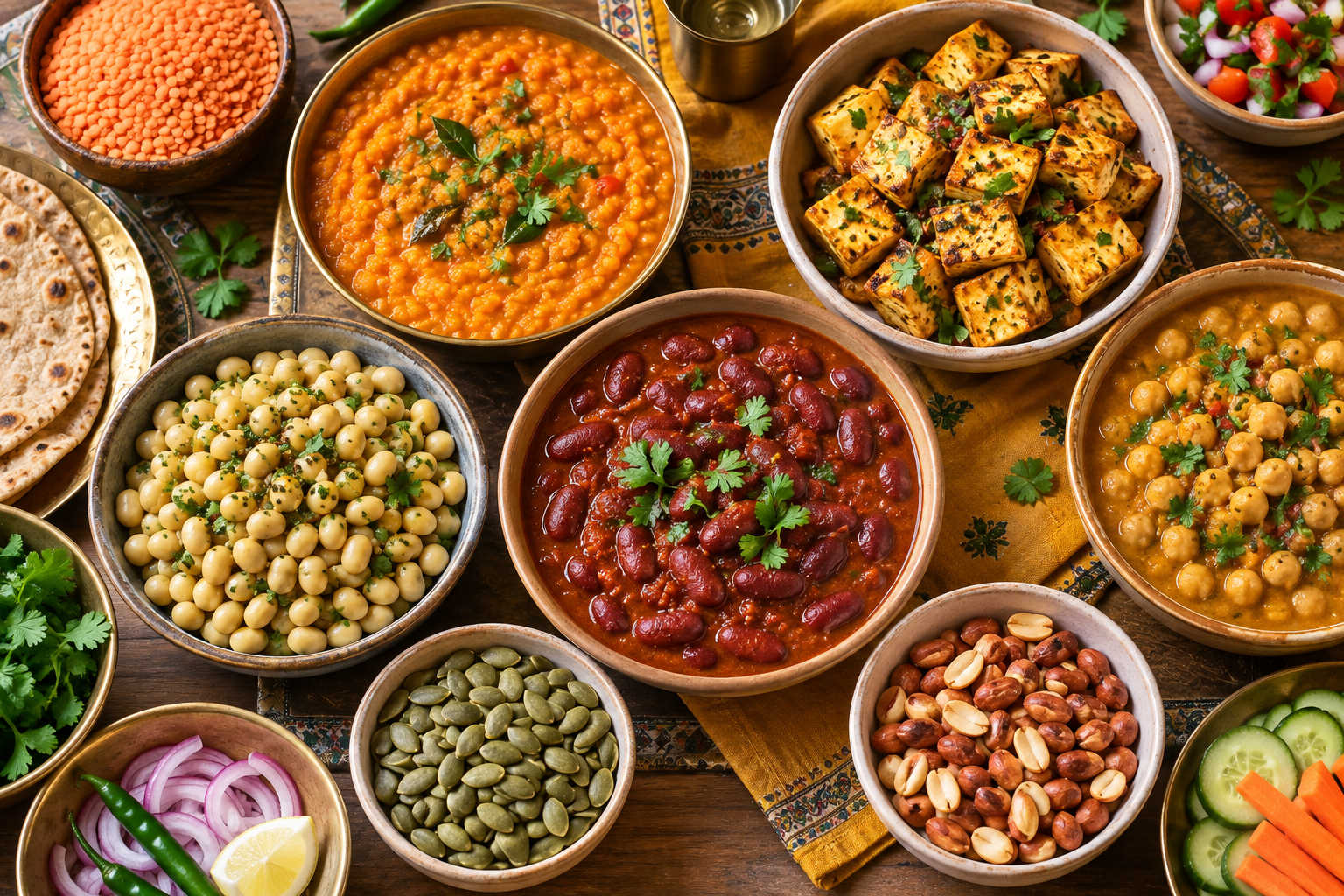
Samosas, kachori, chivda, chakli, roasted nuts, dhokla and many namkeen can be naturally vegan, but recipes vary. Check for ghee in dough or tempering, curd in batters, butter in pav and milk solids in packaged seasoning.
A bright Diwali spread can be built around chutneys, chaats, grilled tofu tikka, dal kebabs, mini dosas, stuffed mushrooms, millet crackers and colourful salads—festive food that needs no imitation of suffering.
Choose gifts people will actually use
- A verified vegan mithai or chocolate box.
- Speciality tea, coffee, spices or dry fruits with a reusable jar.
- A plant, herb-growing kit or seed set suited to the recipient’s home.
- Cruelty-free, vegan personal care with clear certification.
- A meal, workshop or experience from a vegan business.
- A donation to an animal-rescue or community organisation in the recipient’s name.
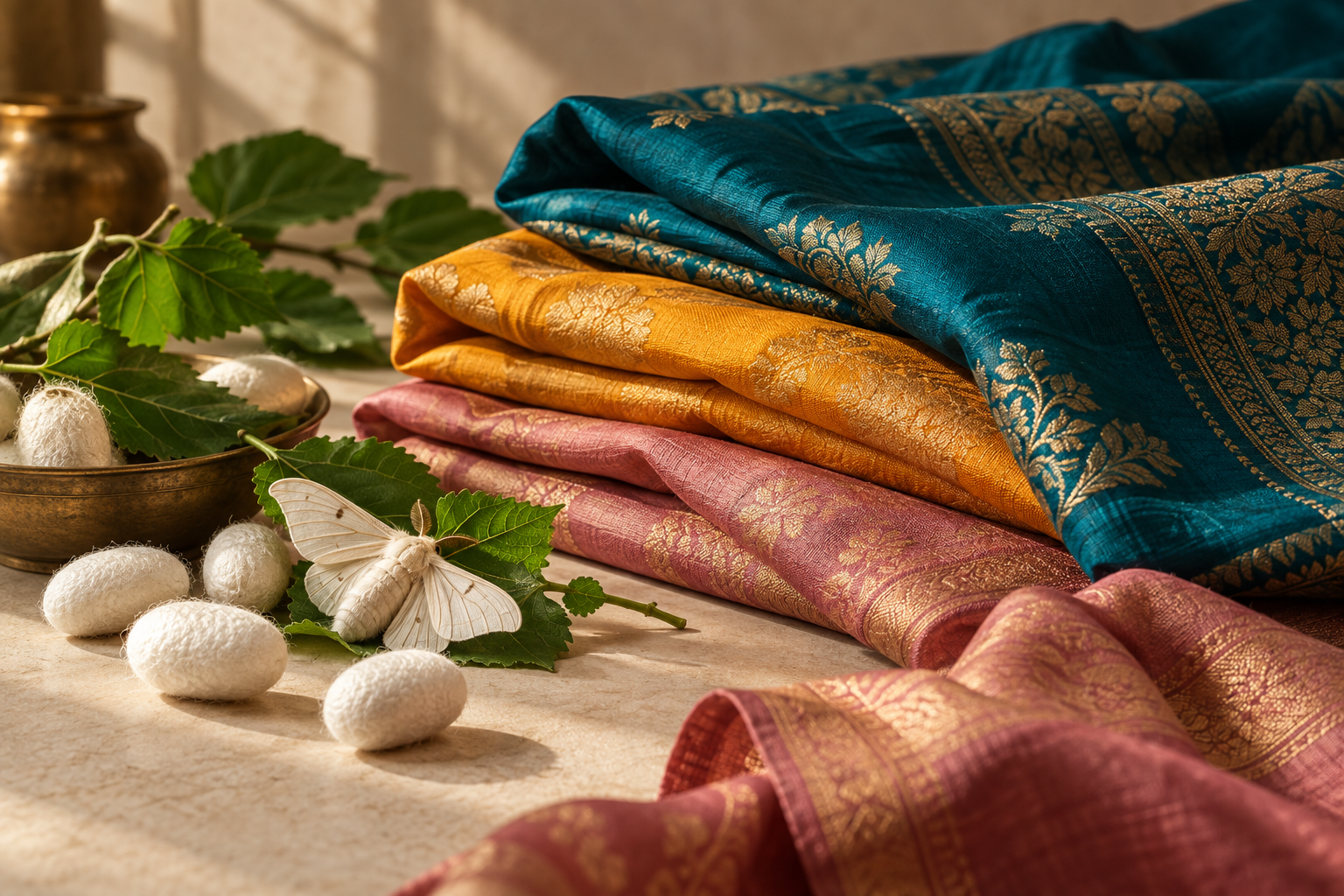
For clothing and accessories, remember that silk, wool and leather are animal-derived. Our guide to whether silk is vegan explains conventional silk and animal-free alternatives. Cotton, linen, hemp, banana fibre and well-labelled synthetic or recycled materials can create beautiful festive looks without using animals.
Wrap with less waste
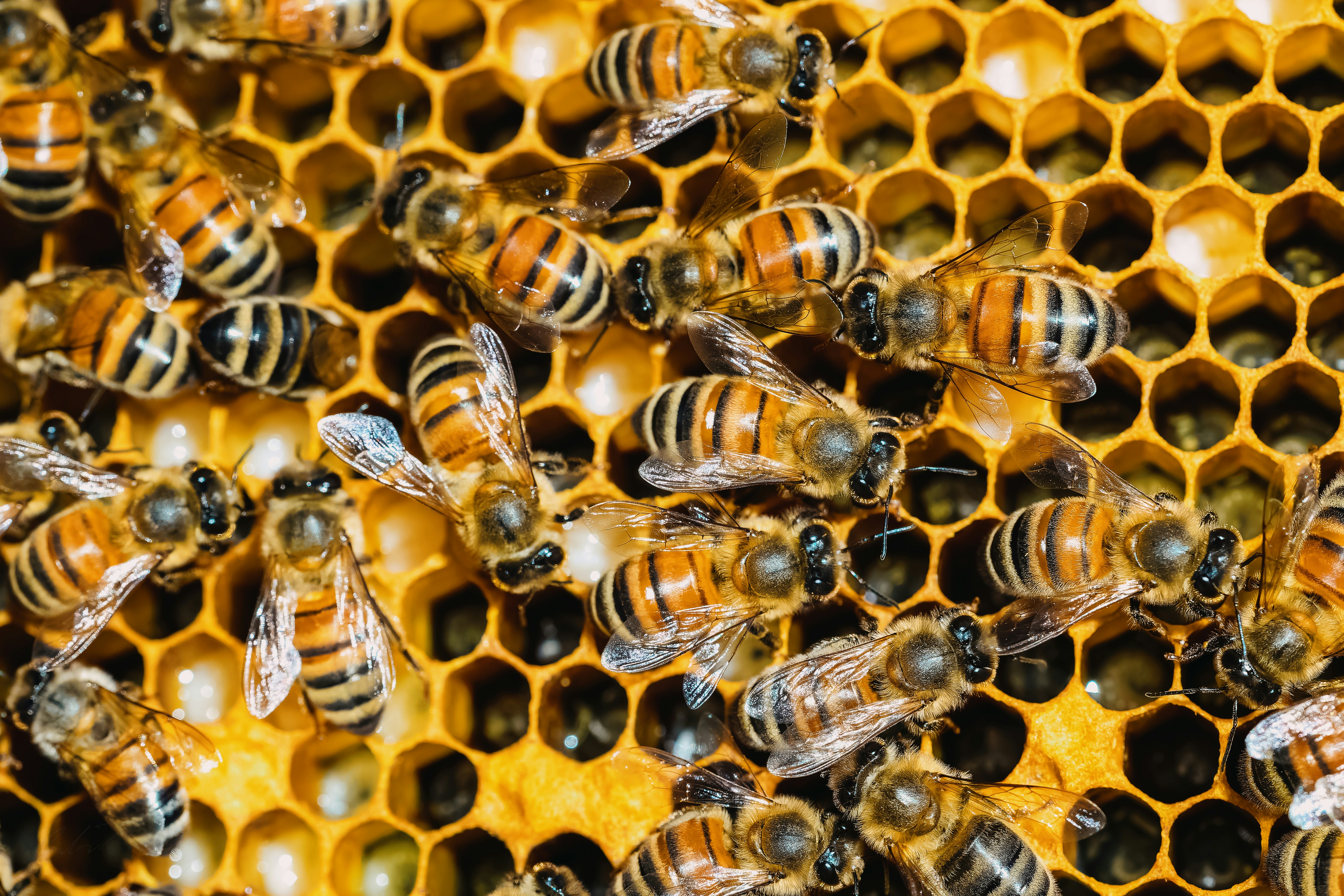
Use a scarf, fabric offcut, newspaper, reusable box, metal tin, basket or glass jar instead of single-use laminated wrap. Natural flowers and reusable torans can replace plastic décor. If you buy candles, check the wax: beeswax is animal-derived, while clearly labelled soy, coconut or vegetable wax can be vegan.
Celebrate without frightening animals
Fireworks can create sudden explosive noise, smoke and litter. Companion animals, community dogs, birds, older people and anyone sensitive to sound may experience the night very differently from the person lighting the cracker.
- Choose diyas, lanterns, projection lights, music at a considerate volume and community meals.
- Keep companion animals indoors with identification, water and a quiet retreat.
- Do not force frightened animals to socialise or pose for photographs.
- Check under parked cars and around gates before moving vehicles.
- Support local rescuers with food, reflective collars, transport funds or temporary safe space.
Host without turning it into a lecture
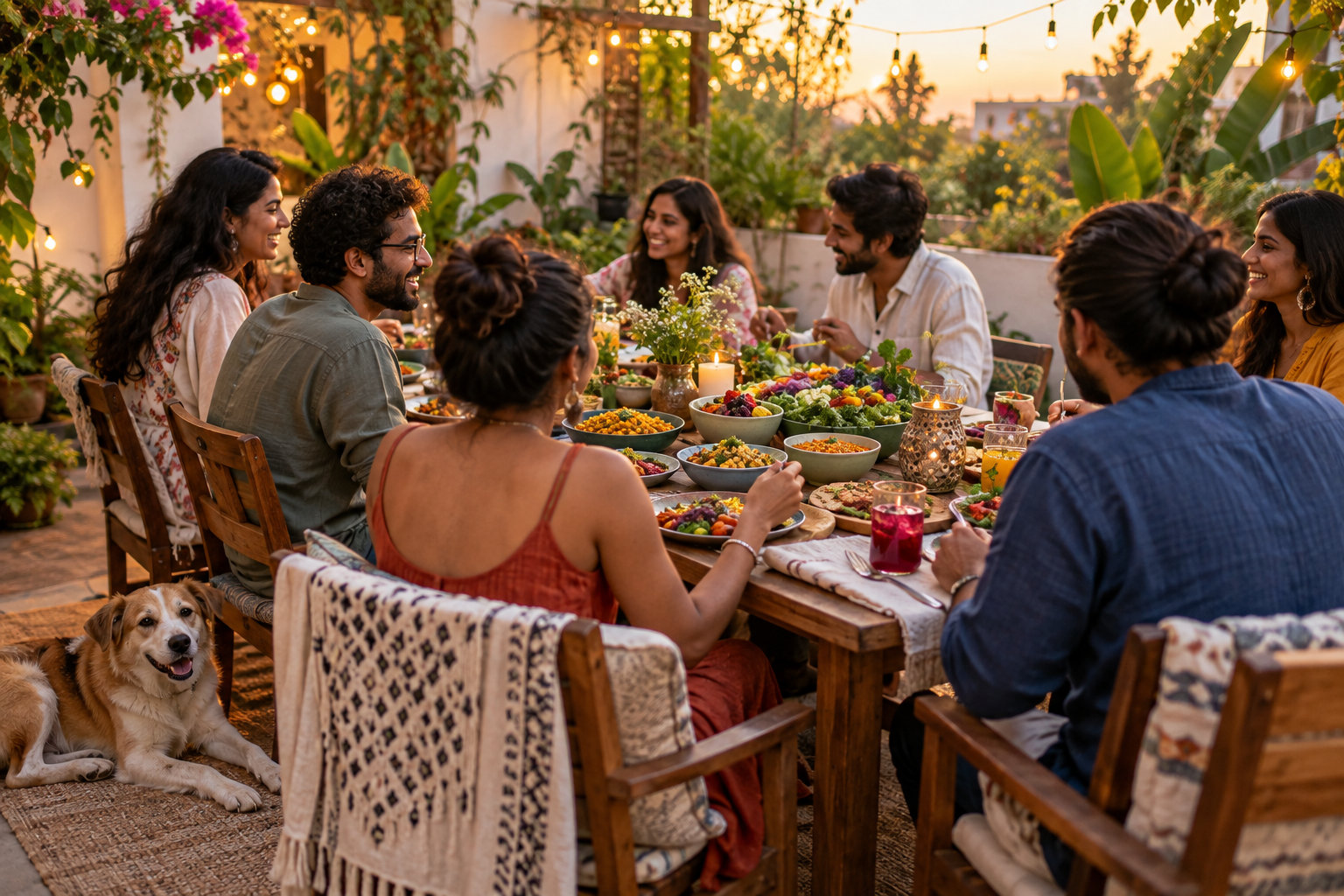
Serve food people already love, make the vegan versions excellent, label them clearly and share the story only when someone is curious. A generous table changes more minds than a tense debate. Tell guests which familiar ingredients were swapped and why the result still tastes celebratory.
The Vegan Society’s definition focuses on avoiding animal exploitation as far as possible and practicable. That makes Diwali a natural moment to align ritual with compassion—not a test of personal purity.
A simple vegan Diwali checklist
- Confirm every mithai ingredient, including tray grease and glazing.
- Offer at least two dairy-free mains and several naturally vegan snacks.
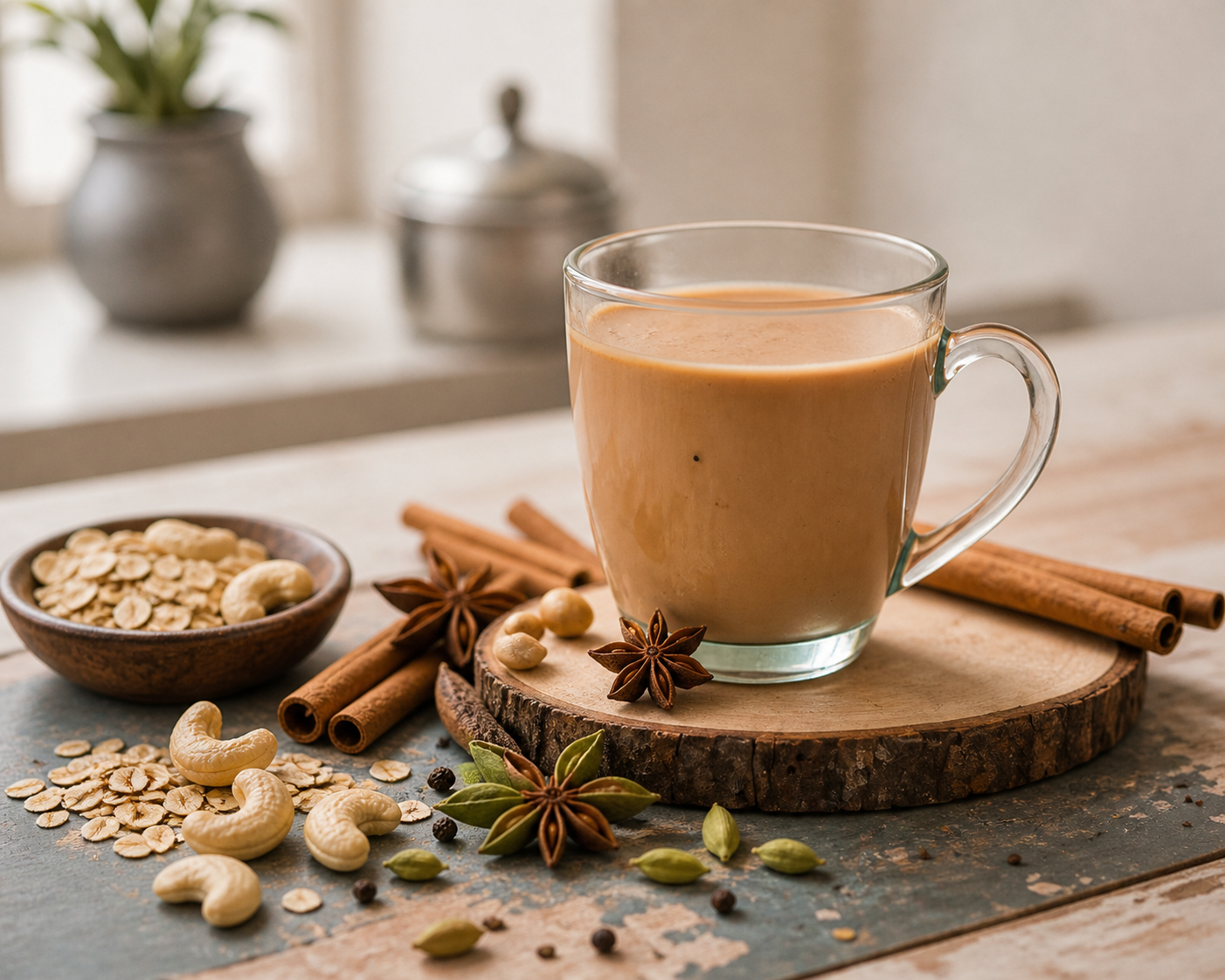
- Use plant-based milk for chai, coffee, kheer and desserts.
- Choose animal-free clothing, candles and gifts.
- Keep décor reusable and avoid explosive fireworks.
- Make one act of kindness part of the celebration.
The bottom line
A vegan Diwali keeps everything worth celebrating: warmth, abundance, beauty, community and hope. By replacing dairy, animal-derived fabrics and frightening fireworks with thoughtful alternatives, we can make the festival of lights kinder for animals, people and the planet.












Leave a Reply
Let us know what you think about the blog post above, we’re interested in hearing from you!