



Methane is invisible, but its climate effect is immediate. It stays in the atmosphere for far less time than carbon dioxide, yet it traps much more heat while it is there. That makes cutting methane one of the fastest ways to slow near-term warming.
Fossil fuels and landfills are major sources. So is animal agriculture—especially cattle, buffalo, sheep and goats. Any honest climate plan must address all three.
Where livestock methane comes from
Ruminant animals digest fibrous plants through fermentation in a specialised stomach. Microbes break the food down and produce methane, which the animals release mainly through belching. This is called enteric fermentation.
Manure can release additional methane when stored or treated in low-oxygen conditions. The exact amount depends on animal type, diet, productivity, climate and waste management.
The UN Environment Programme’s methane factsheet identifies agriculture, fossil fuels and waste as the principal human-caused sources. The US Environmental Protection Agency likewise lists livestock enteric fermentation among major anthropogenic sources.
Why cattle matter in India
India has an enormous bovine population and a deeply embedded dairy economy. Methane is produced whether cattle are raised for milk or meat; dairy animals and the wider breeding system cannot be separated from the climate calculation.
This does not mean blaming individual farmers. Many households operate within markets and policies that have promoted dairy for decades. A fair transition should create stable demand, finance and training for pulse crops, millets, oilseeds, horticulture and other plant-based livelihoods.
Climate policy that focuses only on changing an animal’s feed may reduce emissions per litre of milk while leaving total herd size, land pressure and animal exploitation intact.
What feed additives can—and cannot—do
Some feeds, additives, breeding strategies and animal-health measures may reduce methane intensity in specific systems. Their results vary with cost, access, local diets, farm conditions and how consistently a product is used.
Even a successful additive does not remove manure emissions, feed production, land occupation or the ethical harms of breeding animals for repeated pregnancy, milk extraction and slaughter. Technical measures can be part of mitigation, but they are not a substitute for reducing demand for animal products.
Dietary change is a recognised climate tool
The IPCC’s assessment of demand, services and social aspects of mitigation identifies shifts toward plant-based foods such as pulses and nuts as a food-system strategy with climate, land and animal-welfare benefits.
The IPCC does not say every person must eat an identical diet. It does establish a direction: food patterns with more plant foods and fewer high-emission animal foods can reduce greenhouse-gas pressure.

Why plant protein changes more than methane
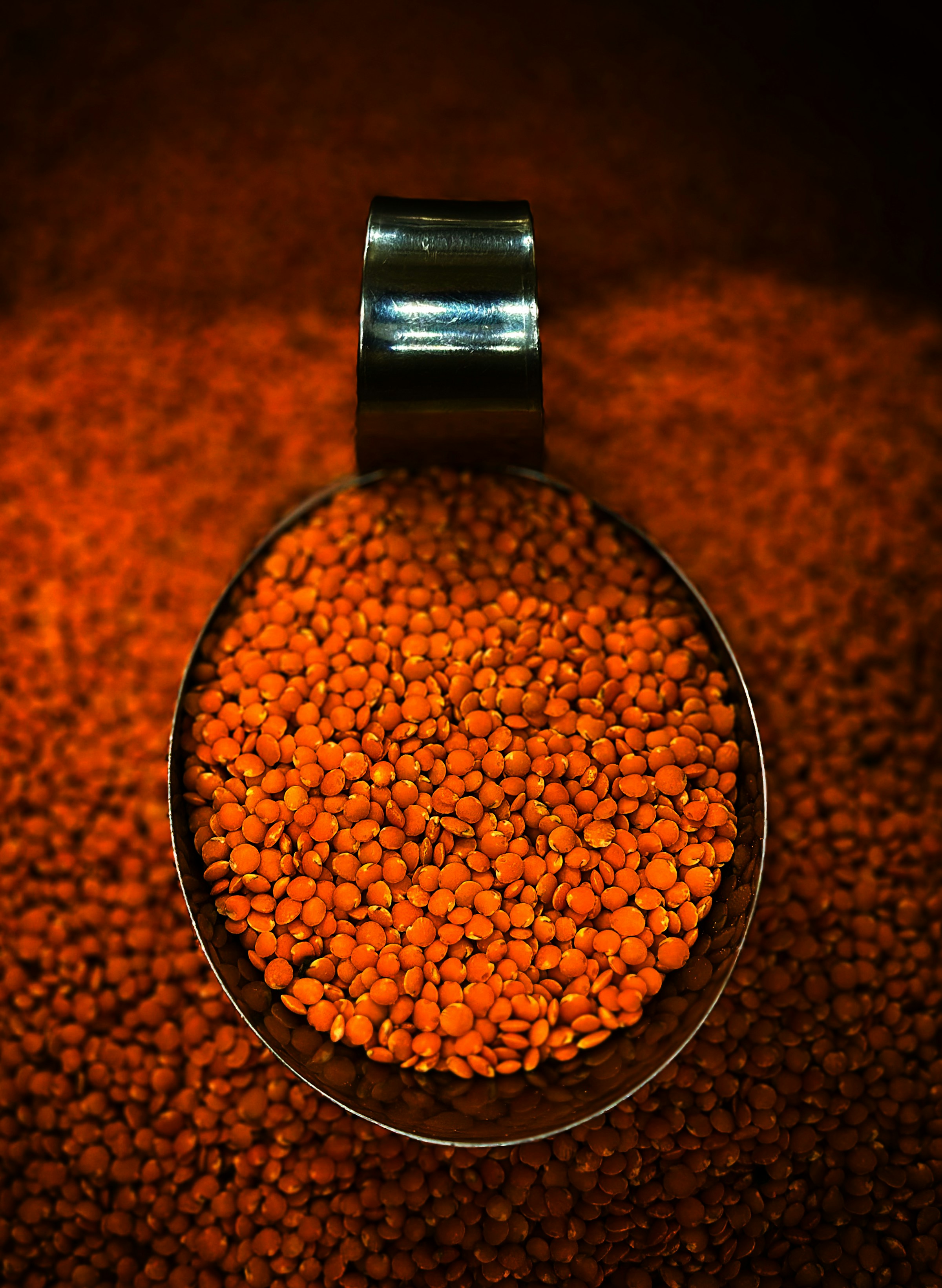
Replacing animal protein with lentils, beans, chickpeas, peas, soy foods, nuts and seeds avoids enteric methane because plants do not have digestive systems. It can also reduce the need to grow and transport feed for animals.
That can free land for food crops, ecological restoration or other locally appropriate uses. It can also lower the number of animals bred into systems where confinement, separation and slaughter are routine.
For a practical India-focused starting point, read our guide to pulses, affordability and food security.
A climate-friendly plate does not need to be expensive
Plant-based climate action is often marketed through premium burgers and imported milks. Those products can help some people transition, but they are not the foundation.
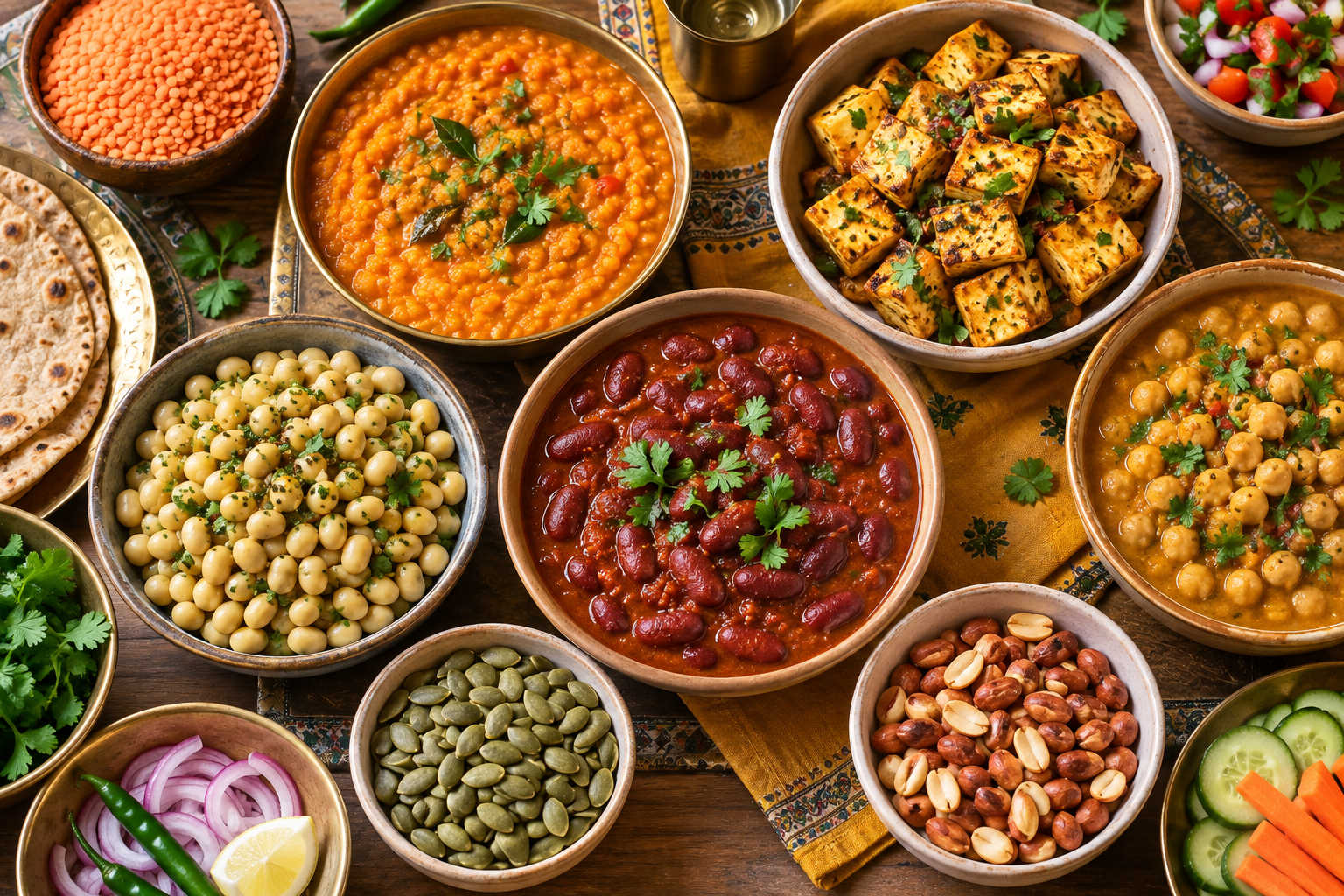
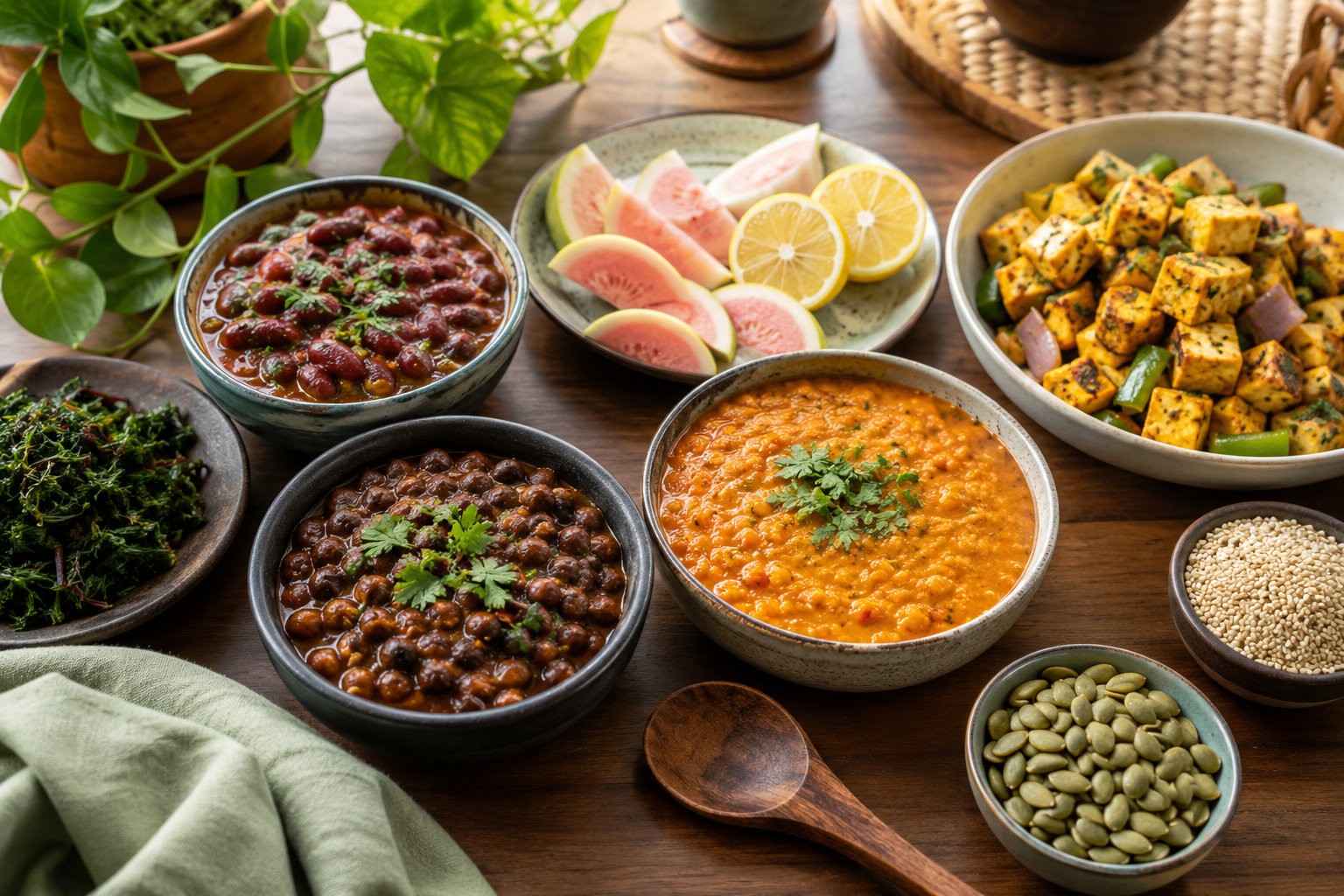
- Choose dal, rajma, chana, lobia, peas, soy chunks, tofu, peanuts and roasted chana as regular protein foods.
- Use millets, rice, wheat and other grains alongside legumes for satisfying meals.
- Cook seasonal vegetables and fruit, and rotate foods for variety.
- Use fortified foods or a reliable vitamin B12 supplement; vegan diets need a dependable source.
- Reduce food waste by planning portions, cooling leftovers promptly and repurposing cooked grains and beans.
Climate benefit does not require dietary perfection. Every meal that replaces dairy, meat or eggs with nutritious plants reduces demand for animal production.
Beware of misleading comparisons
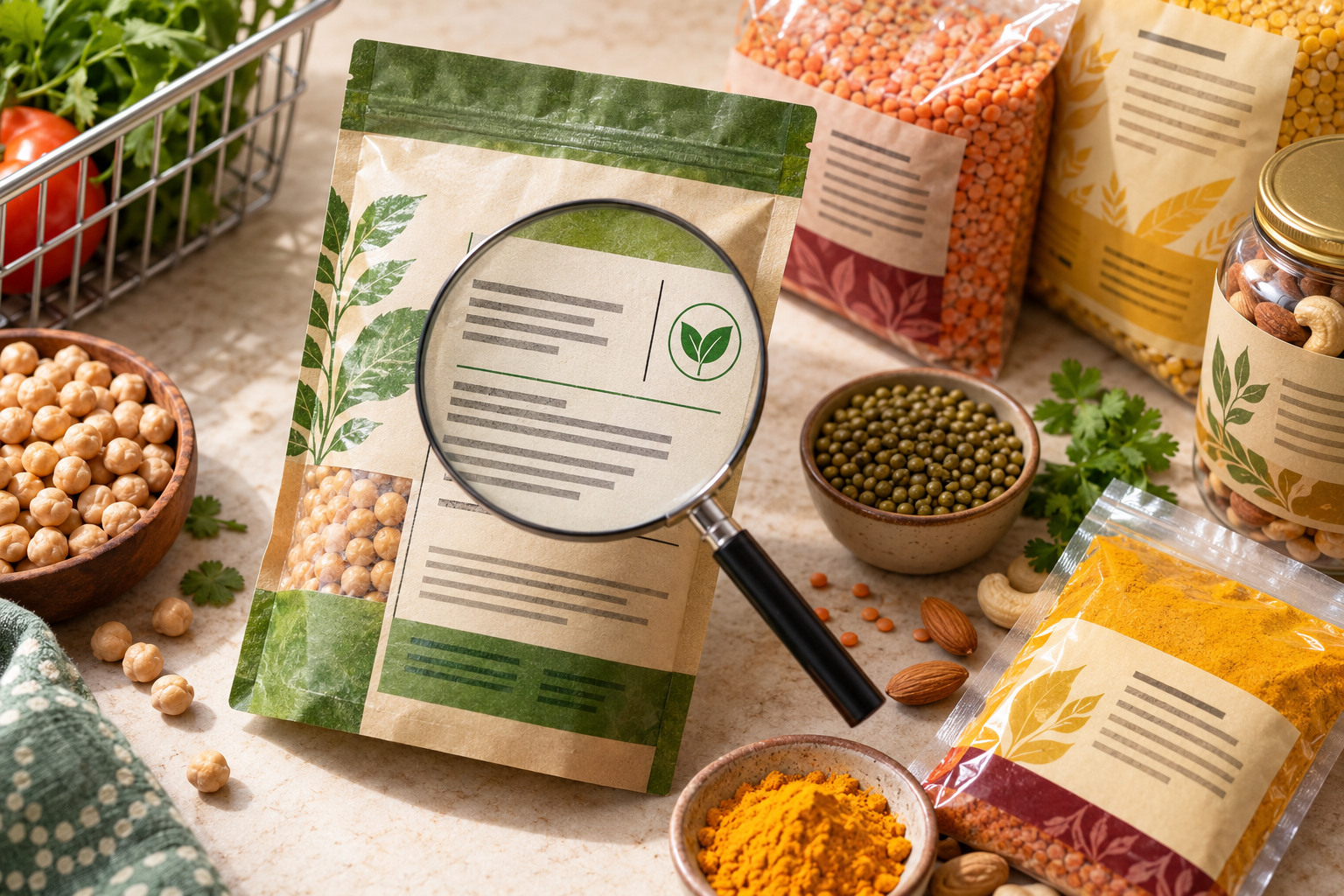
“Local” is not automatically low-carbon if the food comes from a high-emission animal system. Transport is only one part of a food’s footprint. Farming method, land use, feed, methane and manure can matter more.
Likewise, a plant-based product is not impact-free. Ingredients, processing, packaging and energy all count. The relevant question is comparative: can we meet human needs with less harm? For many foods, moving from ruminant products to plant proteins does exactly that.
Policy can make the kinder choice easier
Governments, schools, hospitals and businesses can expand appealing vegan meals, support farmers growing pulses and millets, improve cold chains for fruit and vegetables, and fund genuinely independent research.
Public climate communication should also name dietary demand directly. Counting methane without discussing why so many animals are bred each year leaves the largest lever untouched.
Fast climate action can also be compassionate
Methane reduction is urgent because it can influence warming on a shorter timescale. Plant-based food is powerful because it acts at the source: fewer ruminants bred into production means less enteric methane.
It also recognises something climate spreadsheets can hide—that cows, buffaloes, goats and sheep are feeling individuals, not emission units. A transition toward plant foods can protect the atmosphere while reducing the number of animals used as machines for milk and flesh.
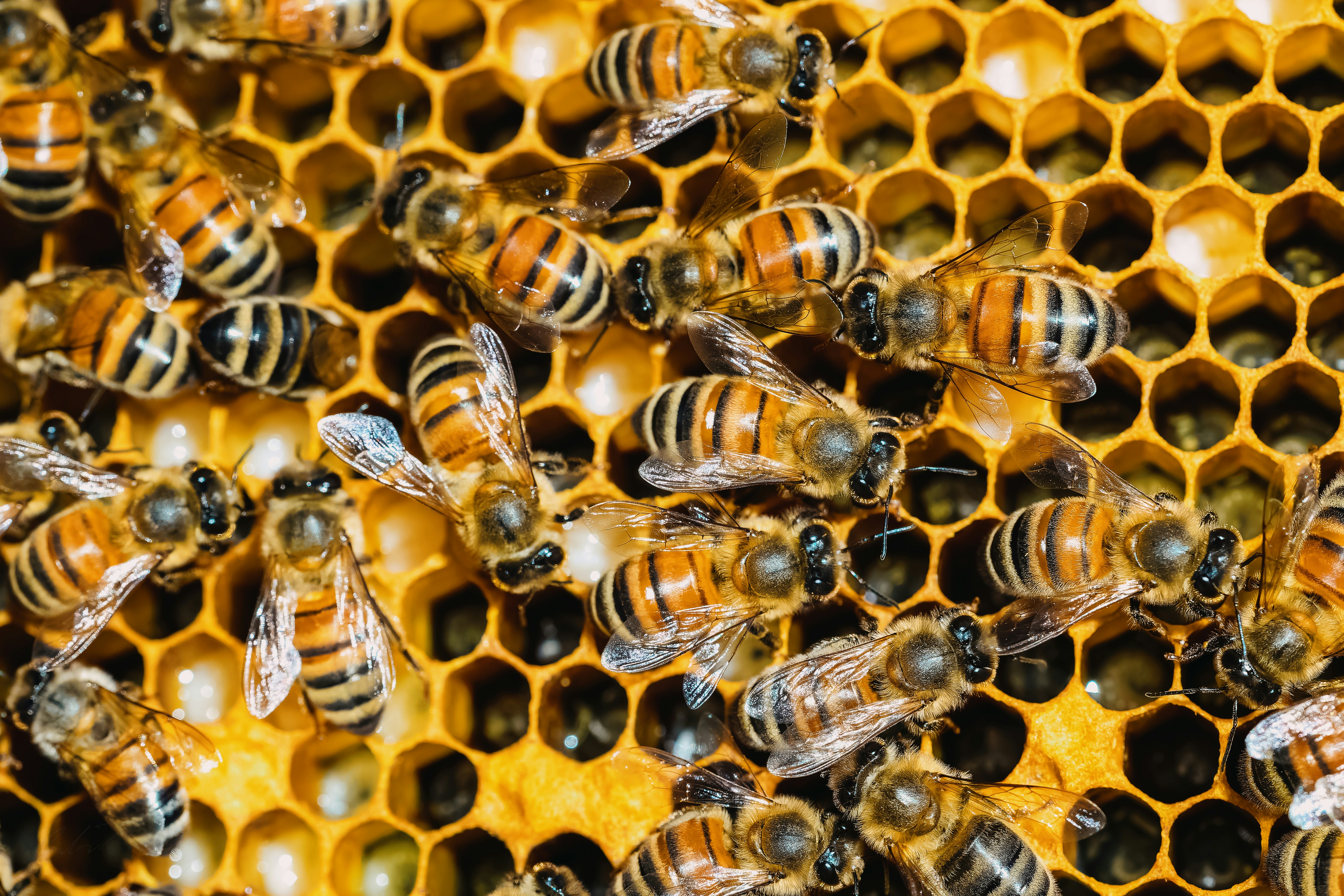
Evidence checked 6 October 2026. Main image: Matteo Grando on Unsplash, used under the Unsplash License.




































Leave a Reply
Let us know what you think about the blog post above, we’re interested in hearing from you!