


India has one of the world’s richest vegetarian food cultures, so moving from vegetarian to vegan can feel like a small step. In practice, the difference is important: vegetarians may still eat milk, paneer, curd, ghee, butter, eggs or honey, while a vegan diet excludes foods that come from animals.
The wider idea also goes beyond food. The Vegan Society defines veganism as seeking to avoid animal exploitation, as far as possible and practicable, in food, clothing and other areas of life.
Why vegetarian is not the same as vegan
Meat-free does not automatically mean animal-free. Milk production requires cows or buffaloes to become pregnant and give birth. Calves and mothers are commonly separated so milk can be sold. In egg production, male chicks cannot lay eggs and are treated as surplus. The ethical issue is therefore not only slaughter for meat; it is the use of animals’ bodies and reproductive systems.
The Vegan Society’s animal guide explains these links between dairy, eggs and animal exploitation in more detail. For many vegetarians, learning this is the reason the final transition suddenly makes sense.
Start with the foods you already love
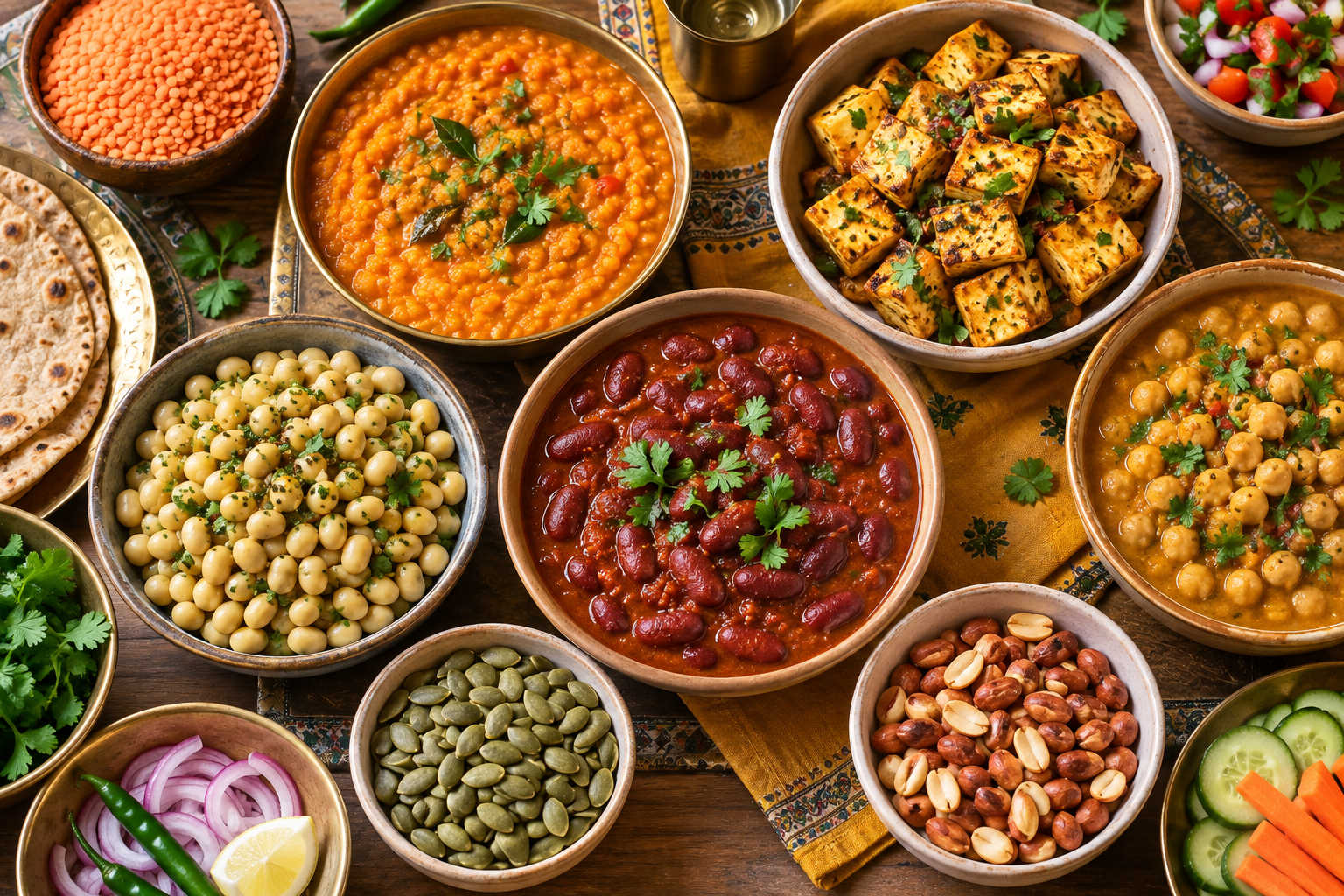
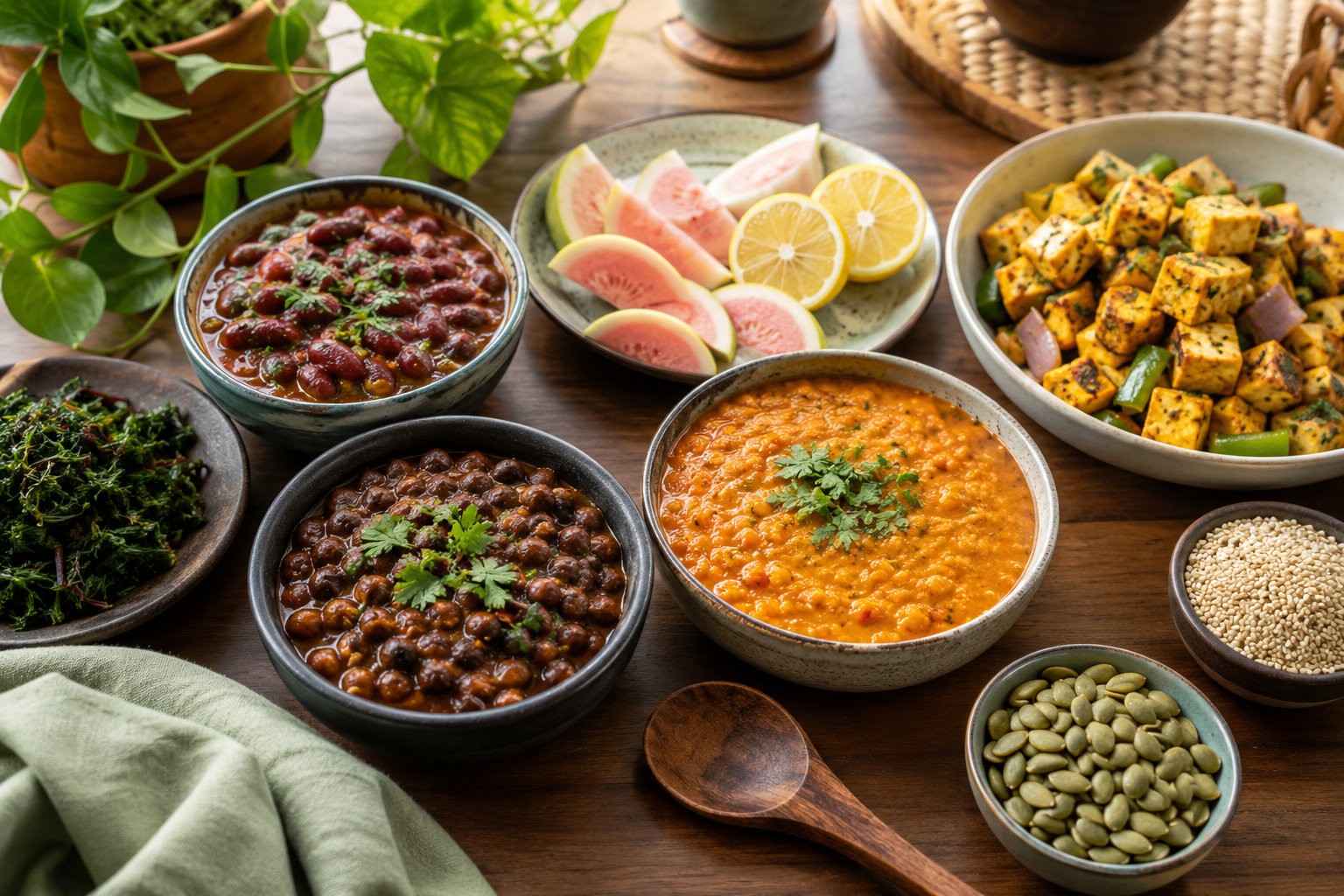
You do not need to replace Indian food with unfamiliar “vegan food”. Begin with dishes that are already vegan or need one simple change:
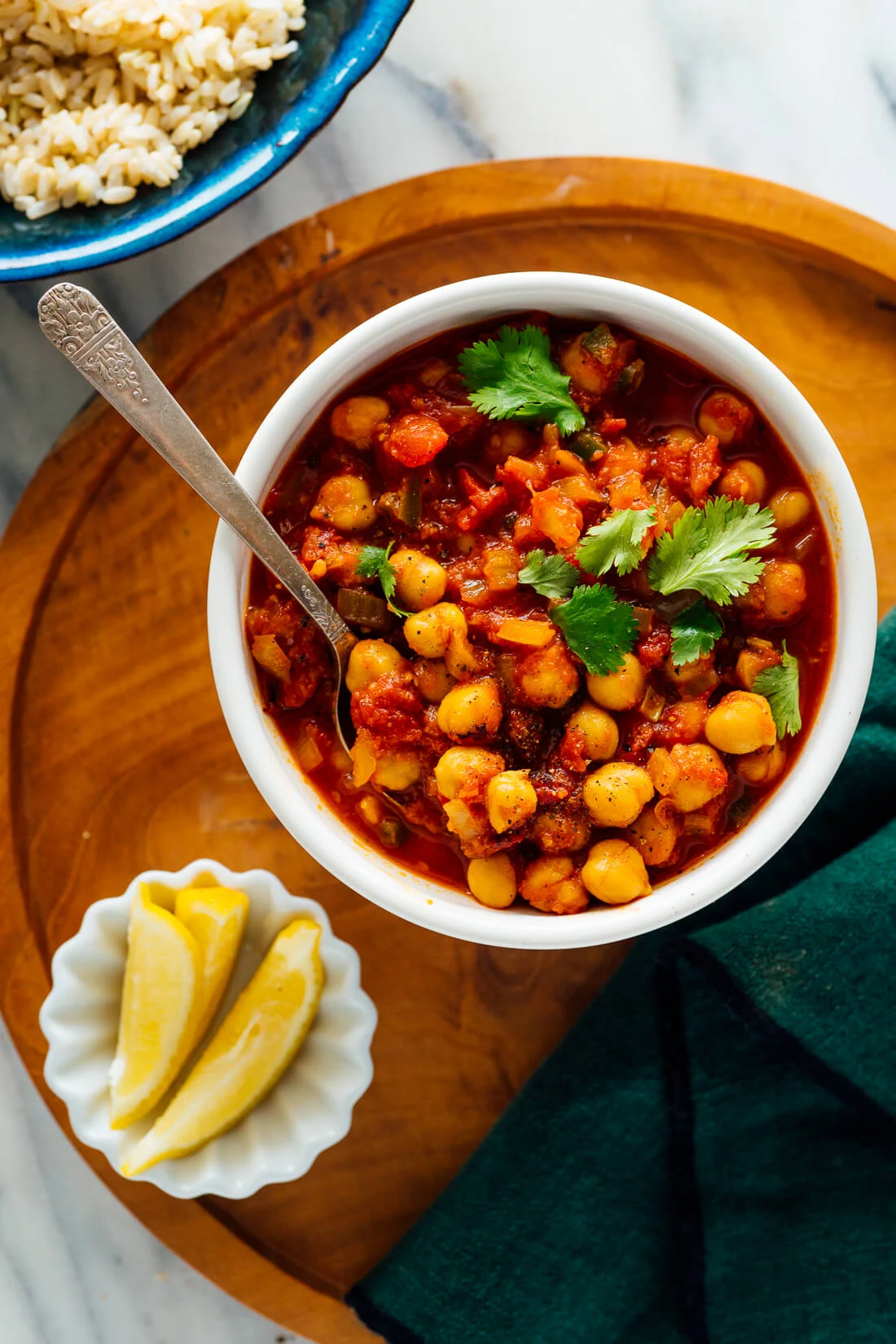
- Dal, rajma, chole and sambar: temper with oil instead of ghee.
- Sabzi and curries: replace paneer with tofu, chickpeas, mushrooms or soy chunks.
- Rotis and parathas: request oil instead of butter or ghee.
- Curd-based dishes: use unsweetened peanut, soy or coconut curd, depending on the flavour.
- Breakfast: choose poha, upma, idli, dosa, chilla or our tofu bhurji.
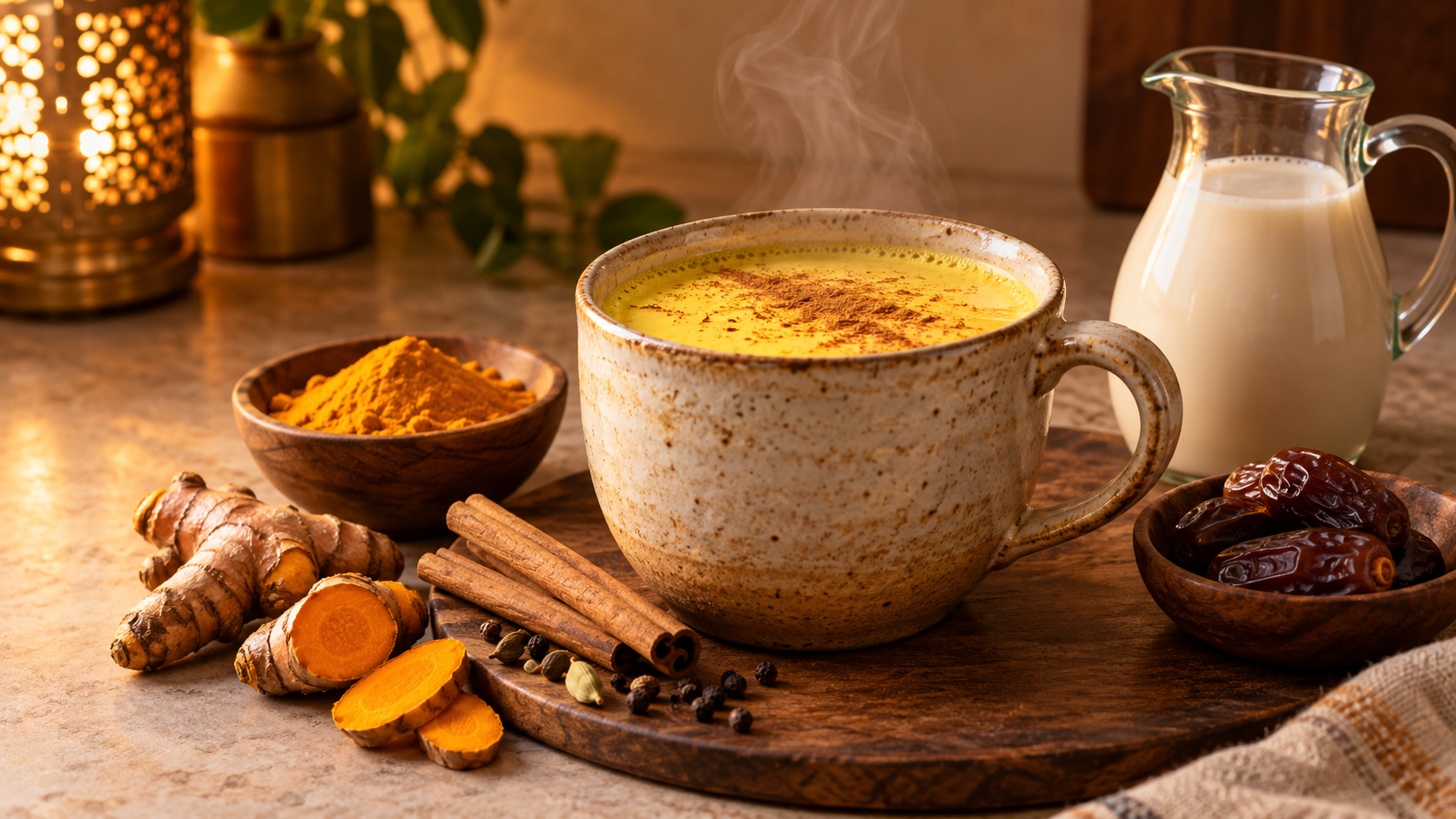
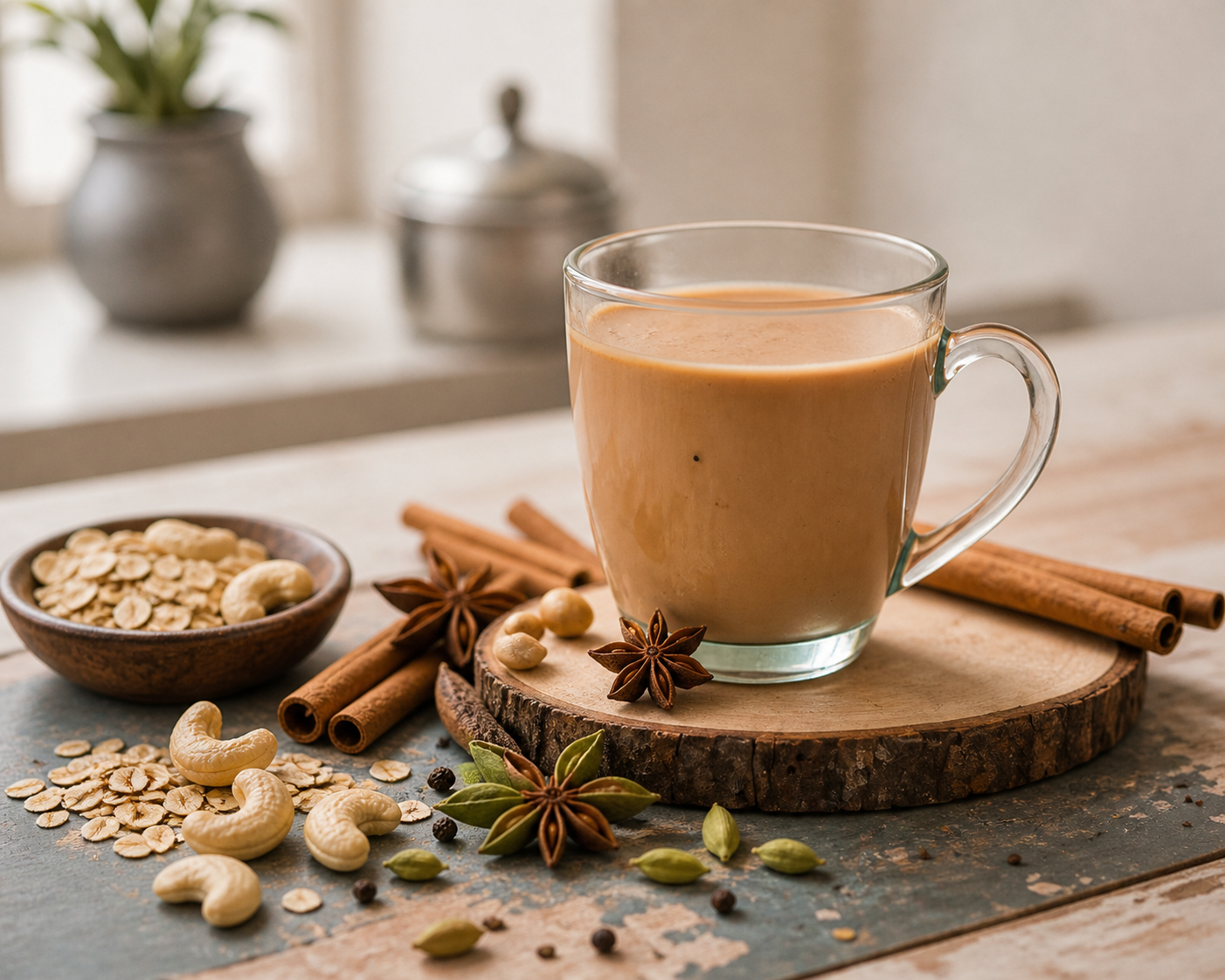
- Chai and coffee: try soy, oat, peanut or almond milk and adjust the brewing method.
Keep the architecture of your normal plate—grain, dal or beans, vegetables, chutney, salad—and change the animal-derived ingredient. Familiarity makes the new habit much easier to sustain.
Make four high-impact swaps first
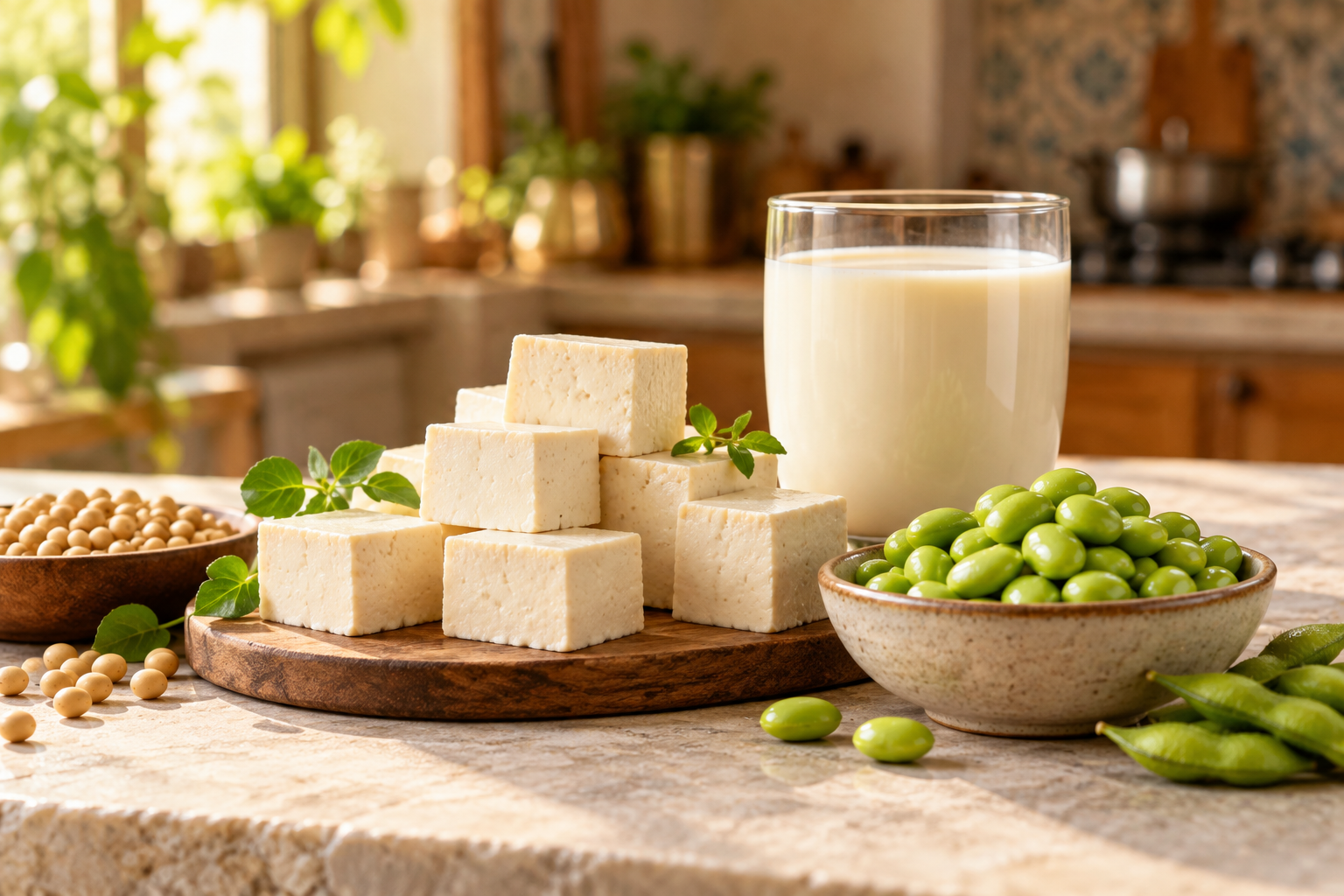
- Milk: choose an unsweetened fortified plant milk for daily use. Soy milk is usually closest to dairy milk in protein.
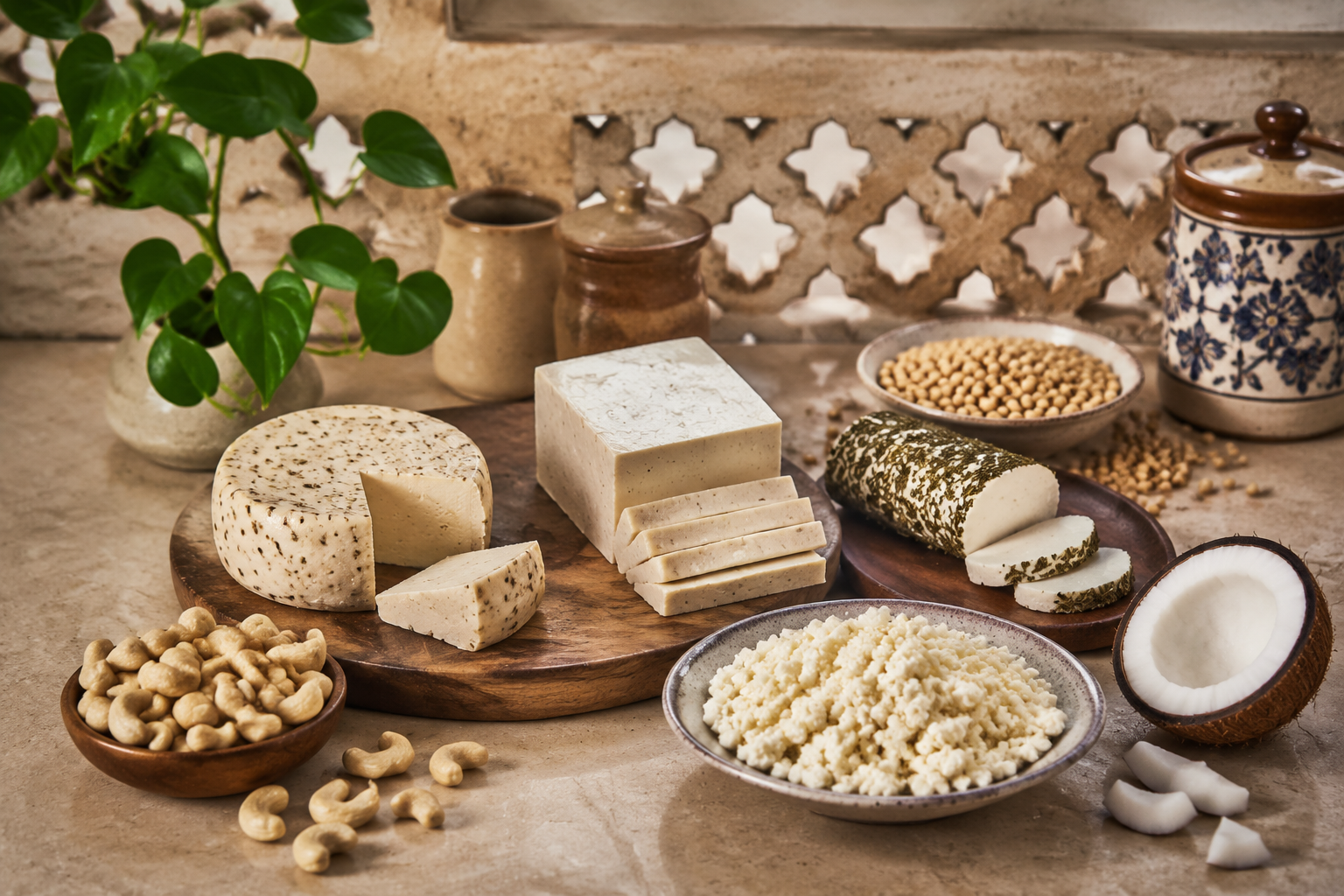
- Curd: try soy or peanut curd for savoury dishes; coconut curd works well when its flavour suits the recipe.
- Paneer: use firm tofu. Press, marinate and sear it before adding it to gravy for better texture.
- Ghee and butter: use an appropriate plant oil or clearly labelled vegan butter. Our guide to vegan ghee alternatives explains which fat works for tadka, rotis, sweets and baking.
Learn the hidden ingredients
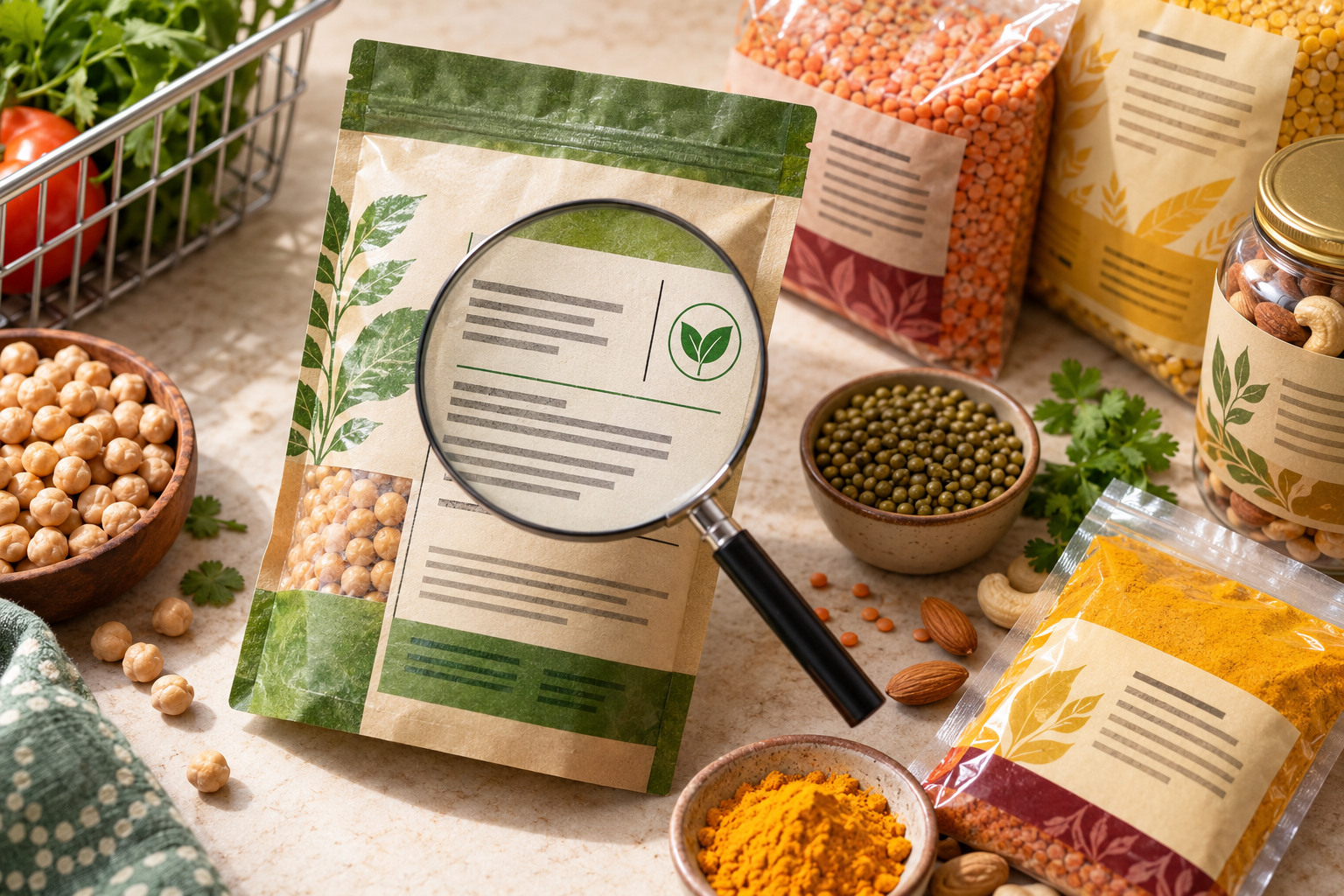
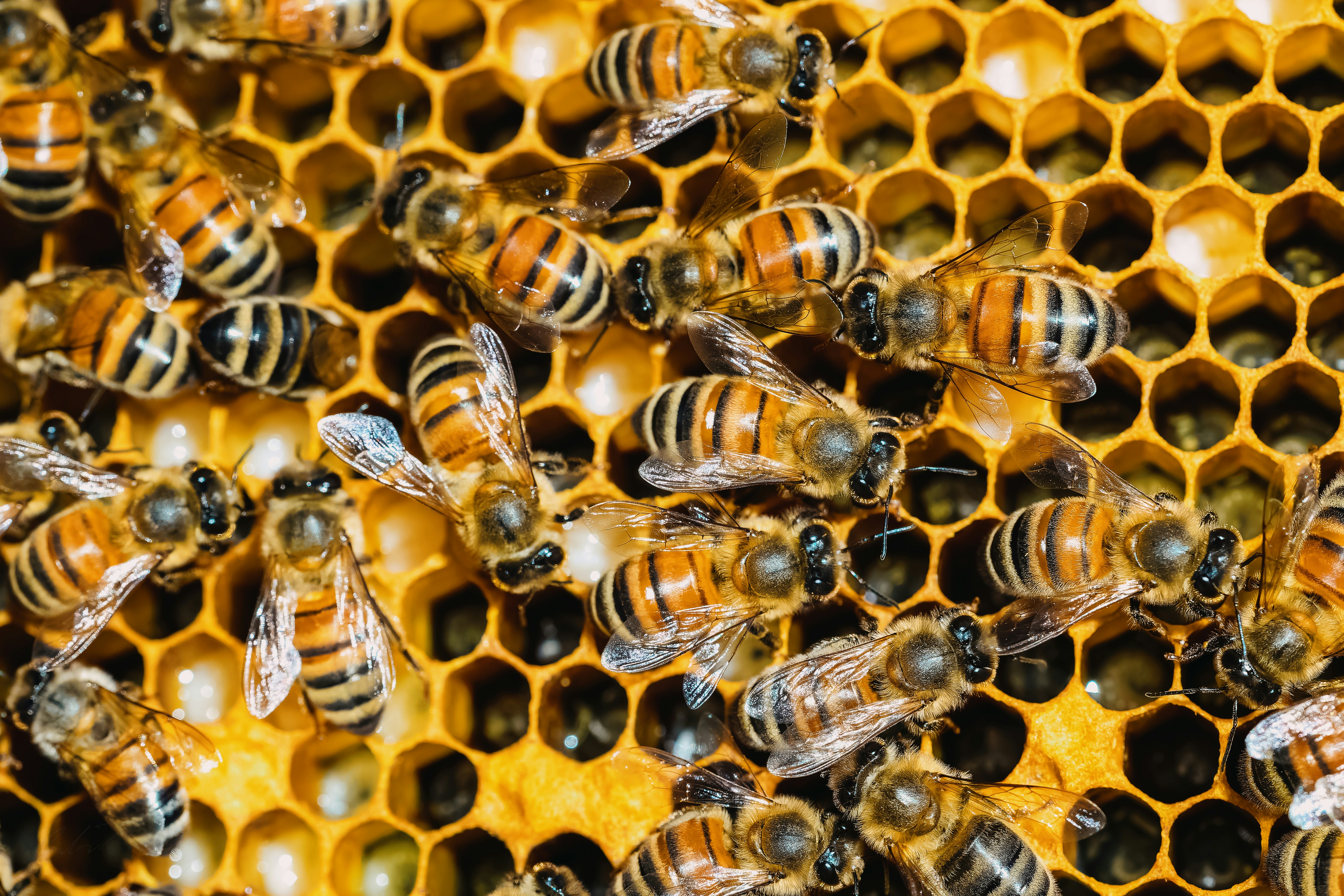
Milk powder, whey, casein, butterfat and ghee appear in foods that do not look obviously dairy-based, including biscuits, breads, flavoured chips, instant drinks and seasoning mixes. Eggs may appear in bakery products, noodles and mayonnaise. Honey, gelatine and confectioner’s glaze can also be easy to miss.
India has official vegan-food rules and an FSSAI vegan-logo approval system. See the FSSAI vegan food page, and use our India vegan label-reading guide when shopping.

Build meals around nutrition, not substitutes
A well-planned vegan diet can be varied and satisfying. The NHS vegan diet guide recommends a wide variety of plant foods and attention to nutrients including calcium, vitamin D, vitamin B12, iron, iodine and selenium.
Use this simple pattern for most meals:
- Protein: dal, beans, chickpeas, tofu, tempeh, soy chunks, peas or besan.
- Energy: rice, roti, millet, oats, potatoes or other grains and starches.
- Vegetables: include different colours across the week.
- Healthy fats: nuts, seeds, peanut butter, tahini or a sensible amount of oil.
- Vitamin C: lemon, amla, guava, capsicum or citrus alongside iron-rich meals.
If protein is your concern, use our budget protein guide for India. It shows how everyday pulses and soy can meet practical needs without expensive mock meats.
Take vitamin B12 seriously
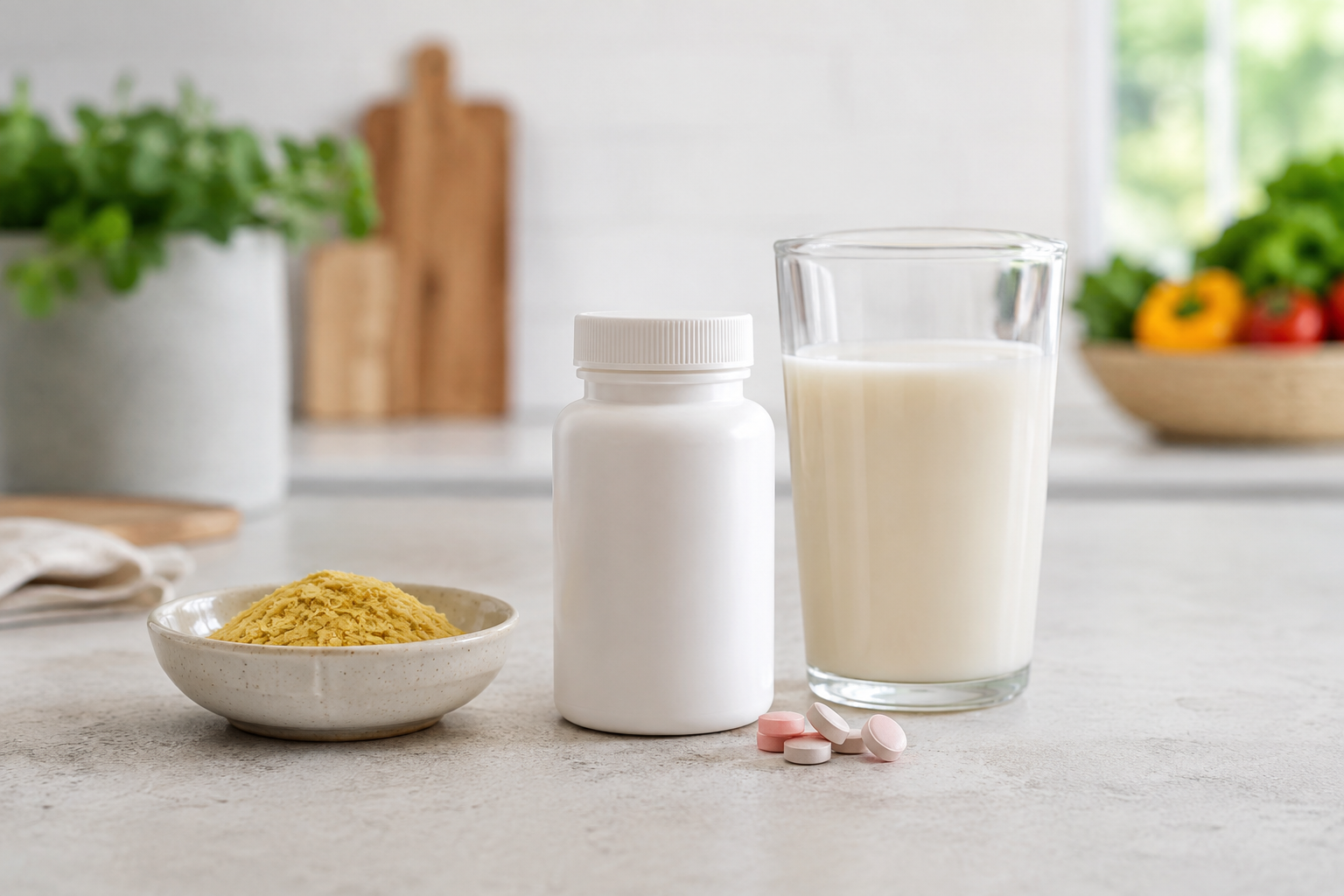
Vitamin B12 is the nutrient vegans should not leave to chance. Use a reliable fortified food or supplement in an appropriate amount, and speak with a qualified clinician if you are pregnant, breastfeeding, taking medication, managing a medical condition or concerned about deficiency. Our vitamin B12 guide explains the basics.
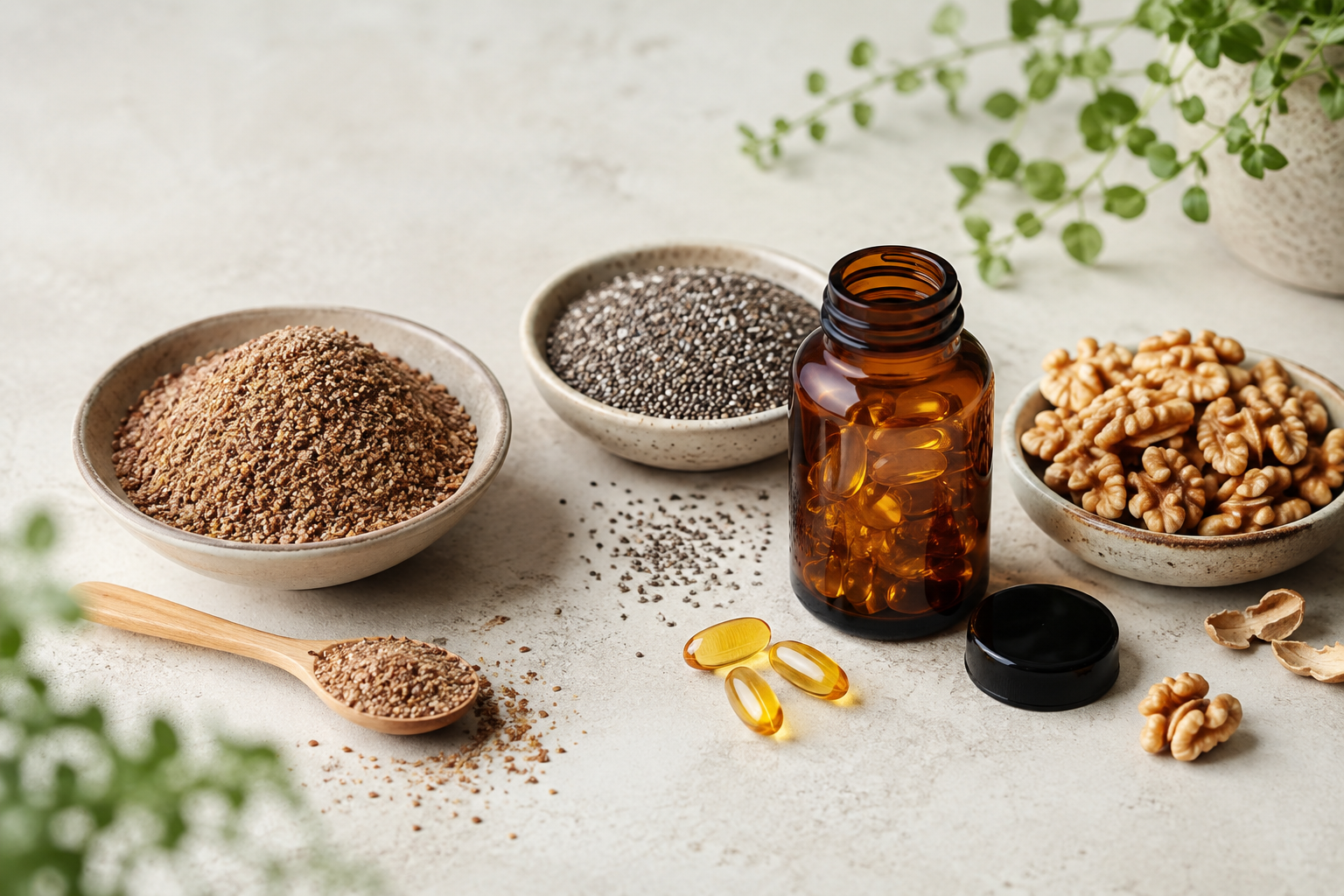
Vitamin D, iodine, calcium, iron and omega-3 also deserve attention. Needs vary, and blood tests or individual advice may be useful when symptoms or risk factors are present. “Vegan” describes an ethical choice; it does not guarantee that every packaged vegan food is nutritionally balanced.
How to manage family meals in India
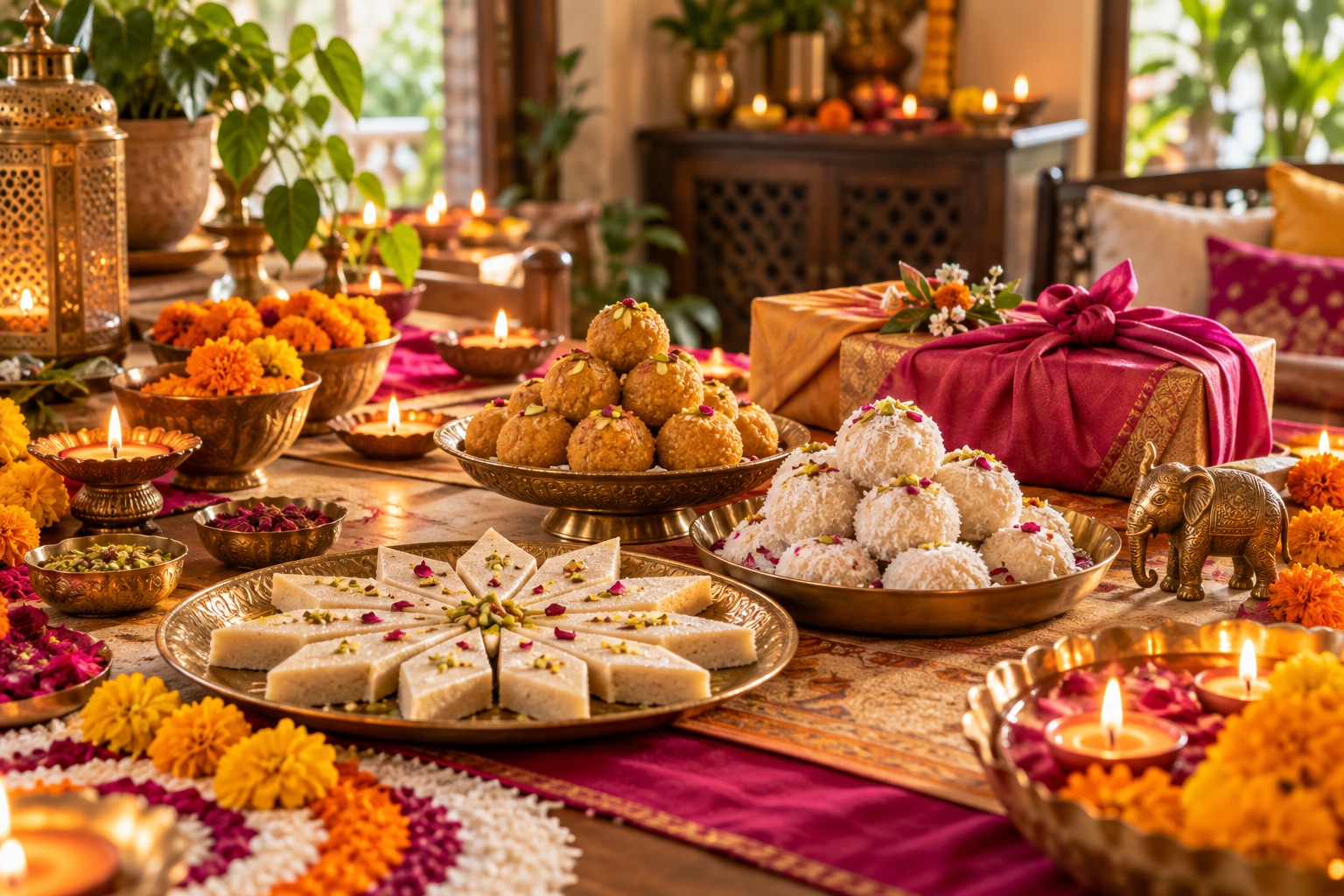
Lead with food people recognise. Offer chole, dal, biryani, kebabs, dosa, idli, pav bhaji, kathi rolls and sweets that happen to be vegan, instead of beginning every conversation with restriction.
- Explain your choice calmly and consistently.
- Offer to cook or bring one dish to family gatherings.
- Ask clear questions about ghee, butter, curd, milk powder and egg.
- Keep easy snacks available when travelling.
- Do not treat one accidental ingredient as failure; learn and continue.
The goal is not to win every argument at the dining table. It is to create a routine that protects animals and is realistic enough to last.
A seven-day transition plan
- Day 1: choose your everyday plant milk.
- Day 2: make breakfast fully vegan.
- Day 3: replace paneer with tofu or chickpeas.
- Day 4: remove ghee and butter from home cooking.
- Day 5: read labels on your five most-used packaged foods.
- Day 6: plan three reliable restaurant orders.
- Day 7: organise B12 and write a simple weekly meal plan.
The compassionate next step
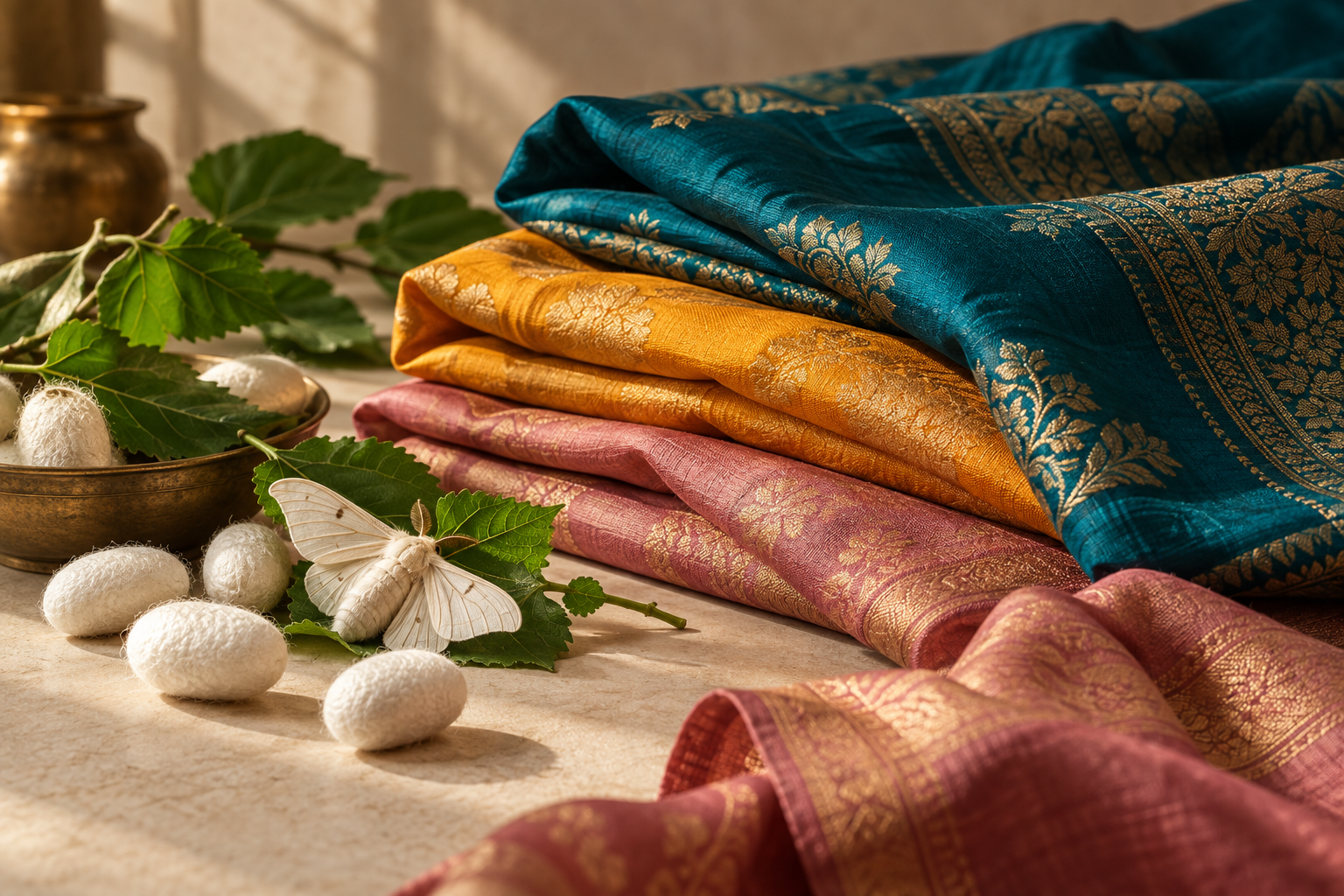
If you are already vegetarian, you have experience questioning what is normal and changing the way you eat. Veganism simply follows that compassion through dairy, eggs, honey, clothing and other everyday choices.
Explore our vegan recipe collection, make one practical swap today and let consistency—not perfection—carry you forward.
















Leave a Reply
Let us know what you think about the blog post above, we’re interested in hearing from you!