


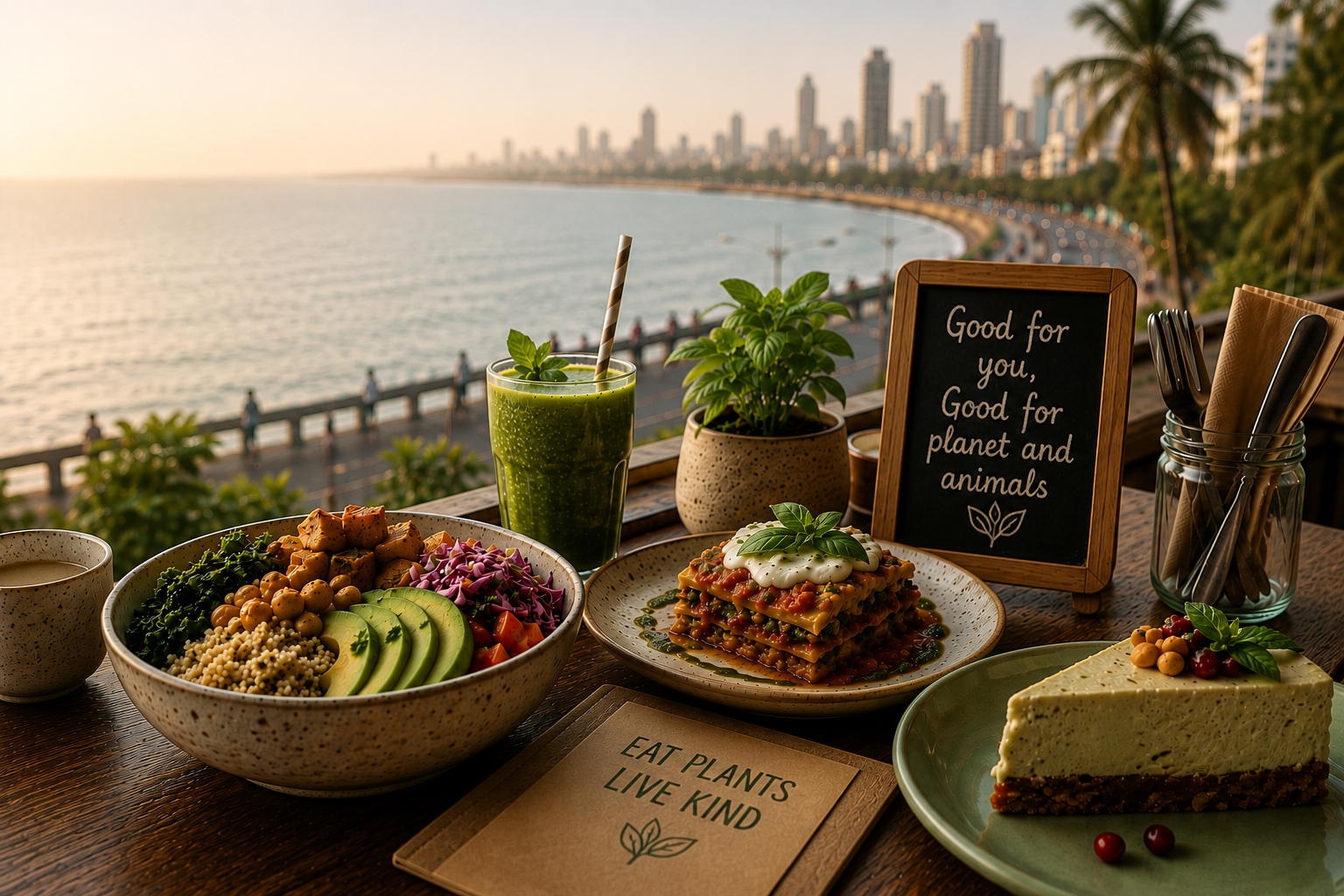
Mumbai, which has always been known for its variety of street food and vegetarian customs, is now becoming a popular place for vegan food around the world. From 2025 to 2026, the city has gone through a big change, with plant-based eating moving from a small lifestyle option to a popular food trend. This change shows a growing awareness of health, care for the environment, and creative cooking.
A Fresh New Food Identity
Veganism in Mumbai is no longer just about what you can’t eat; it has evolved into a sophisticated, high-end food culture.
- Food as Medicine: Modern vegan menus focus heavily on "culinary medicine." Dishes are thoughtfully designed to boost digestion and provide steady, long-lasting energy.
- Zero Compromise: The best part? These health benefits don't come at the expense of taste. Chefs are creating meals so delicious that they appeal to everyone, not just strict vegans.
What is Driving the Plant-Based Boom?
Mumbai’s new food trend is the perfect blend of deep-rooted tradition and modern innovation.
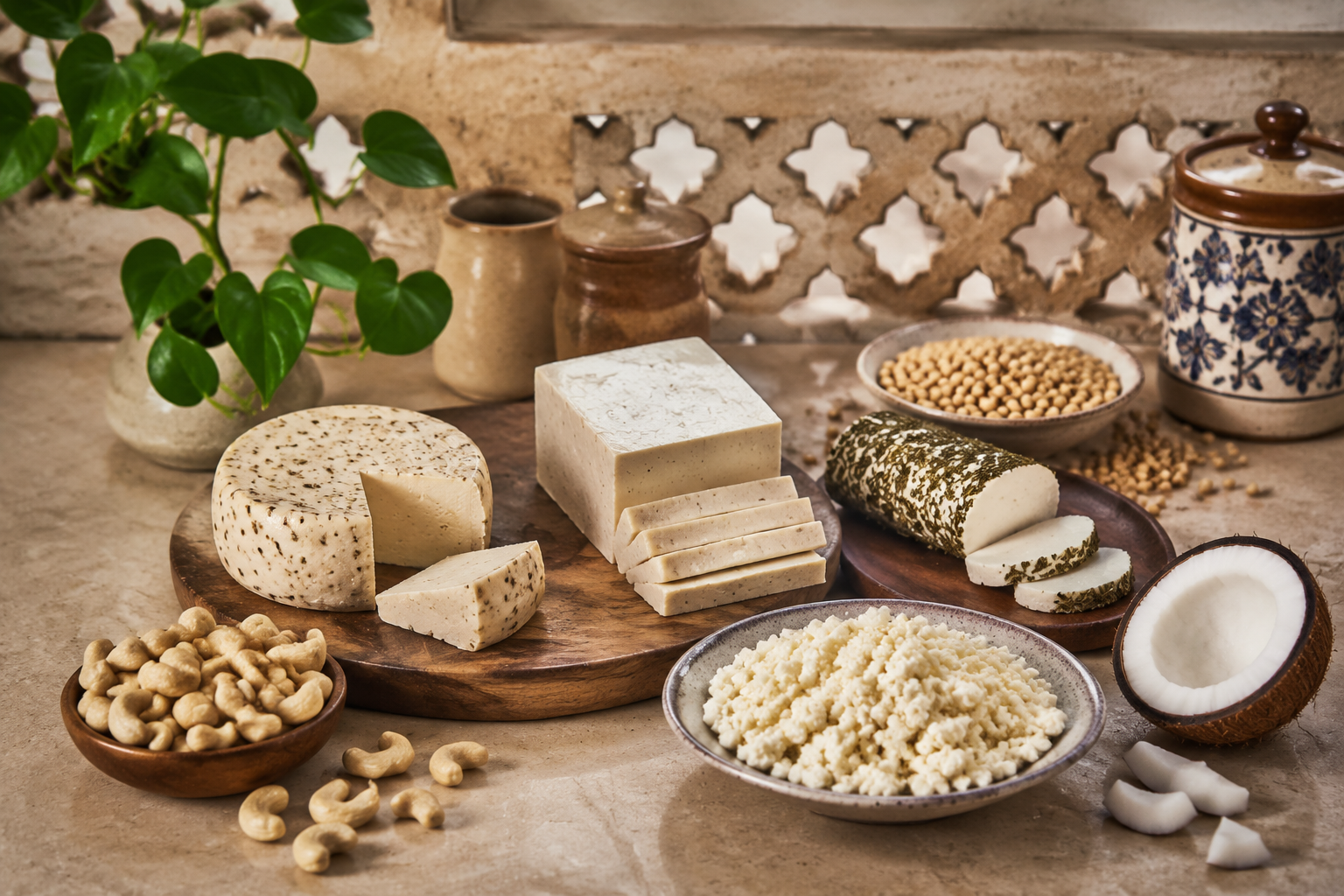
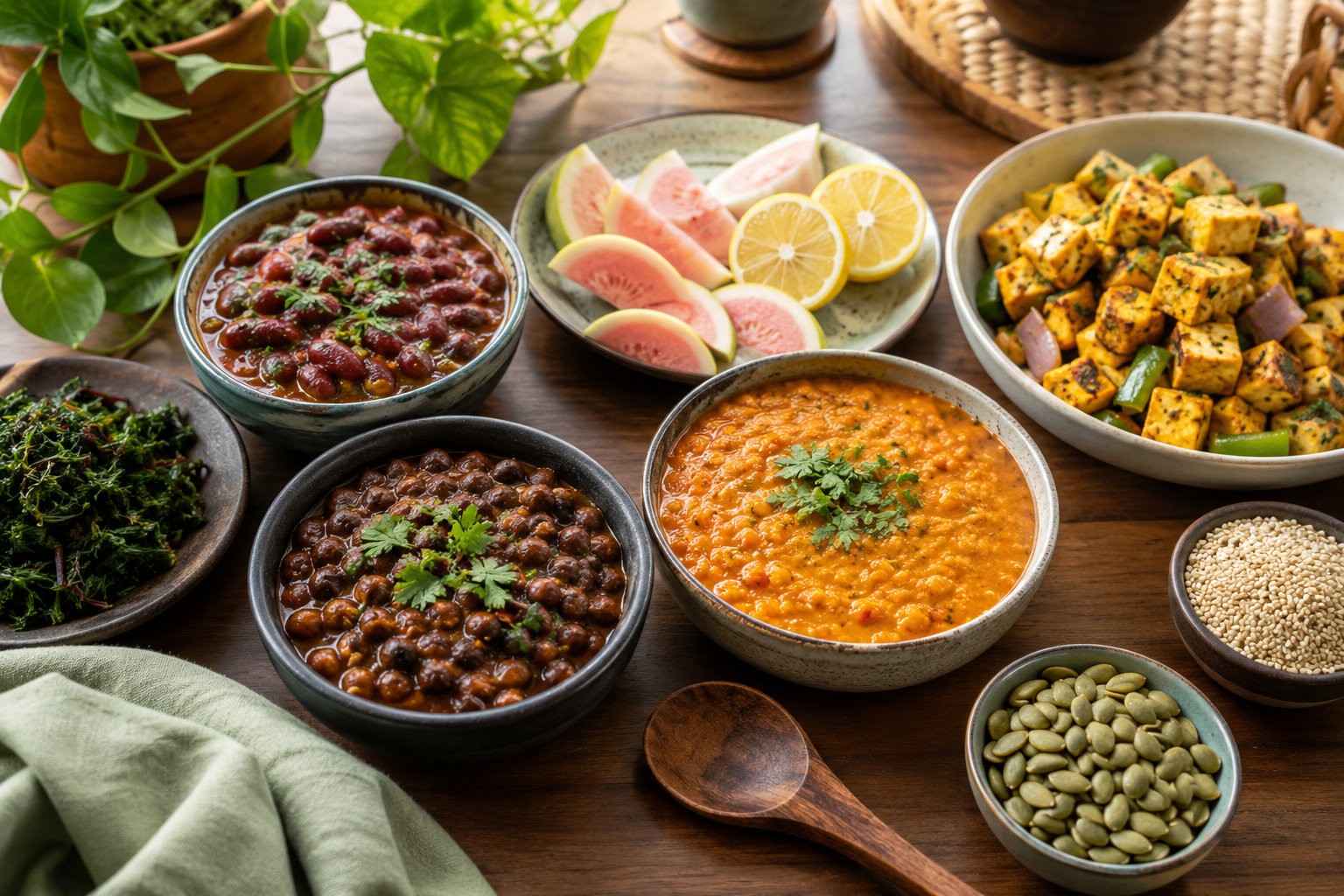
- The Dairy-Free Twist: Indian cooking has always relied heavily on plant-based staples like lentils, grains, and veggies. However, today's vegan movement takes it a step further by ditching dairy entirely, swapping it out for clever alternatives like nut-based cheeses and gut-friendly fermented foods.
- The Post-Pandemic Health Wave: A collective push for better health after the pandemic has made people search for organic, whole-food, and ethically sourced ingredients.
- Ethical Entrepreneurs: Passionate business owners are leading the charge. For them, opening a cafe isn't just a business it's a platform to advocate for sustainability and mindful living.
The Hotspots and the Lifestyle
While the trend is spreading everywhere, the heart of Mumbai’s vegan scene beats loudest in the wealthy western suburbs specifically Bandra, Khar, and Juhu.
These neighbourhoods are home to health-conscious residents and global professionals who care deeply about exactly where their food comes from. The cafes in these areas are designed to be an escape from the chaotic energy of Mumbai:
More Than Just Restaurants: With their minimalist decor, natural materials, and peaceful vibes, these spaces act as community hubs. They are popular spots where locals hang out, work remotely, and connect over shared wellness goals.
Top 5 Vegan Cafes in Mumbai
A number of cafes have become leaders in the vegan scene in Mumbai:
1. Earth Cafe (Bandra, Juhu, Churchgate)
.avif)
Earth Café is a premier, luxury plant-forward and vegan-friendly culinary chain in Mumbai, celebrated for its chic aesthetics and focus on conscious dining. Operating multi-neighborhood outlets across the city, the brand seamlessly blends gourmet global cuisine with dairy-free, gluten-free, and keto-friendly formulations.
Address : Churchgate Location Ram Mahal Near HR college, Churchgate, Mumbai – 400 001.
- Janki Kutir, Juhu Tara, Juhu, Mumbai, Maharashtra 400049
- 4, INS Building, Near Diamond Bourse, BKC, Bandra (E) Mumbai 400 050.
2. Pause Café, Bandra
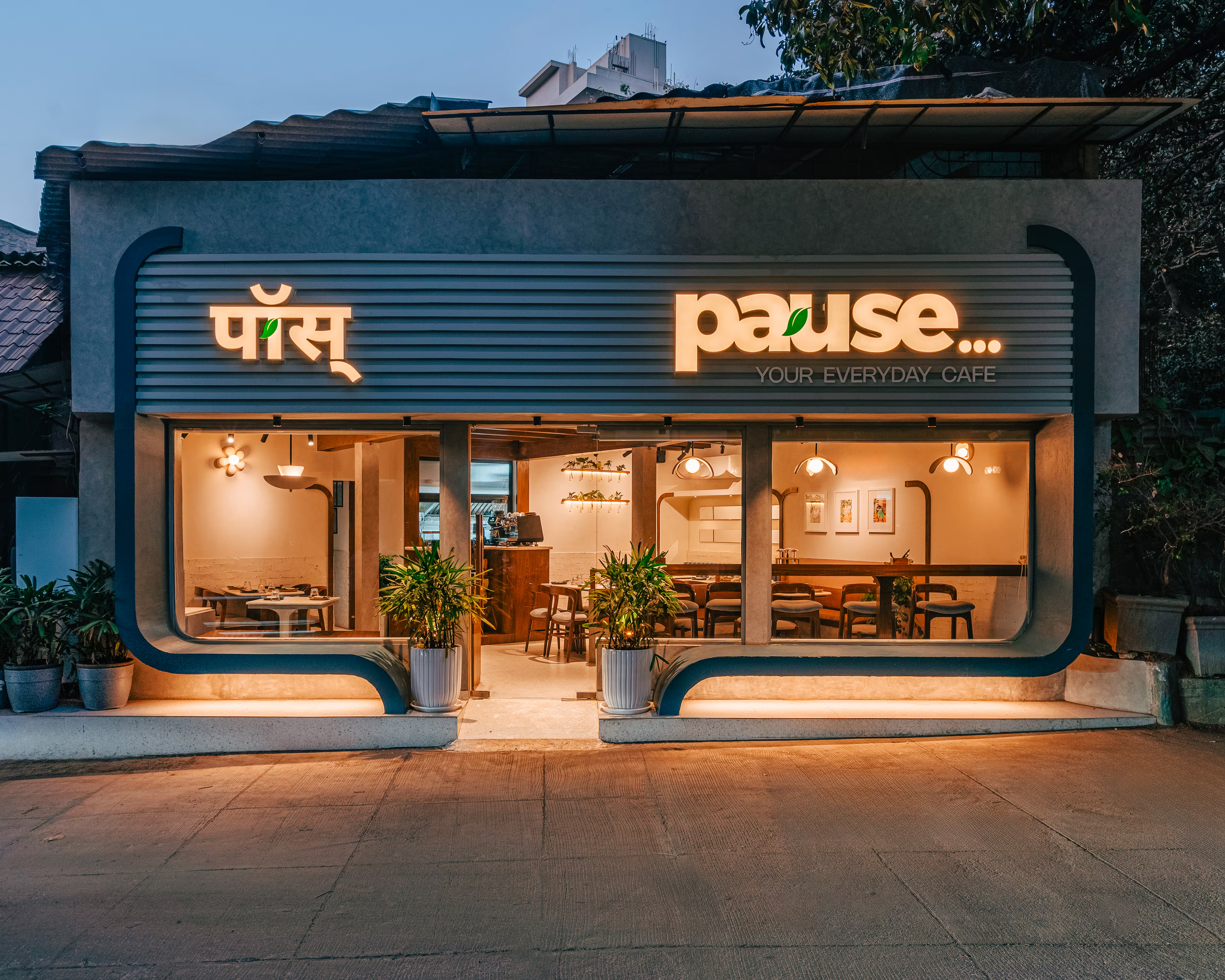
Pause - Your Everyday Cafe is a plant-forward, mindful dining space located in the heart of Bandra West, Mumbai. The cafe is a cozy, contemporary neighbourhood joint featuring large glass windows, minimalist design, and a welcoming aesthetic. It is highly popular for solo dining, remote work, relaxed conversations, and casual family weekend breakfasts
Address: Shop No. 27, Vora House, A/B, Pali Mala Rd, Bandra West, Mumbai, Maharashtra 400050
3. Greenr Cafe (Bandra West, Breach Candy).
.jpeg)
Greenr Cafe is a popular plant-forward, conscious community dining space known for its clean, globally-inspired vegetarian and vegan cuisine. Originating in the Delhi NCR region, the brand expanded to Mumbai, creating welcoming nooks for health-conscious food lovers
Address : 57/116, Drego House, Dr Ambedkar Road, Pali Hill, Bandra West, Mumbai
4. Aharveda (Andheri West)
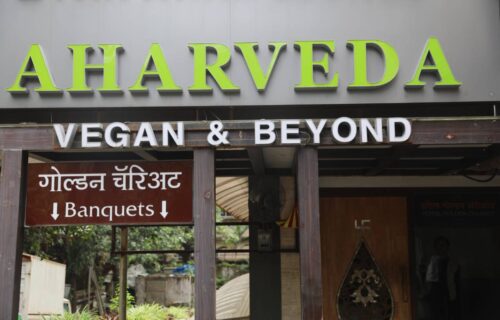
Focuses on healthy eating, providing meals that are free from oil, sugar, and gluten. Their special thali shows how traditional Indian food can be made healthier.
Address: Next to Hotel Golden Chariot, Swami Vivekananda Rd, Opp. Shoppers Stop, Andheri West, – 400058
5. Sadak Chaap
.jpeg)
Sadak Chaap is one of Mumbai’s largest and most popular culinary chains specializing in 100% vegetarian and vegan-friendly North Indian street food. Founded by Sannat Ahuja, the brand redefines traditional street treats by putting high-protein, maida-free soya chaap at the absolute heart of its menu.
Their outlets are in:
Khar West
- Address: Shop No. 5, Haji Mansion, 5th Road, Khar West, Ram Krishna Nagar, Mumbai - 400052
- Contact: +91 70390 00133
Andheri West (DN Nagar)
- Address: Shop No. 21 & 22, Sai Kanwal Complex, Indira Nagar, Near DN Nagar Metro Station, Manish Nagar, Andheri West, Mumbai - 400053
- Contact: +91 85914 49180
Andheri East (Marol)
- Address: Abu Asad Compound, Marol Pipeline Road, Opposite Mukund Hospital, Greater Indra Nagar, Andheri East, Mumbai - 400059
- Contact: +91 90822 81833
Mumbai’s vegan movement is now entering an exciting new phase: the “Third Wave.” This era is defined by high-level culinary creativity, specialized menus, and a deeper focus on overall wellness. Here is how the landscape is changing, along with the unique economic realities shaping the industry.
1. The "Third Wave" Trends
Mumbai’s vegan scene is now moving into what we can call its “third wave,” which is all about more creativity and specialization:
The Rise of Mighty Millets:
Chefs are ditching modern wheat and reviving ancient Indian grains like ragi, jowar, and bajra. This shift is a massive win for both the body and the planet, as millets are incredibly nutrient-dense and require very little water to grow.
The Great Vegan Split:
The market has successfully divided into two distinct paths to satisfy different cravings:
- Mock meat innovation, led by brands like GoodDo, which try to mimic the taste and feel of meat.
- Whole-food plant-based purity, shown by cafes like Aharveda and Purnah, which focus on using natural ingredients without any imitations.
A Focus on the Gut:
Fermented foods have taken center stage. Mumbai foodies are obsessing over kombucha, kimchi, and artisanal cashew-based cheeses to boost their digestive health.
2. The Price Tag: Premium vs. Pocket-Friendly
The price of vegan food in Mumbai can be very different. Fancy cafes in places like Bandra usually charge between ₹1,200 and ₹2,000 for two people, which is explained by their use of organic ingredients and the hard work that goes into making the food.
On the other hand, brands like GoodDo make vegan meals affordable for everyone, offering food at much lower prices. This variety means that vegan food is not just for rich people anymore.
3. Reality Check: Challenges and Closures
Despite the booming popularity, running a vegan business in Mumbai is tough. Sky-high property rents and heavy operational costs make the market highly unpredictable. Even beloved, well-known spots like The Green Affair and Earthlings Café have recently been forced to close their doors, proving just how competitive the city's food scene can be.
4. More Than a Meal: The New Lifestyle Hubs
To survive and thrive, modern vegan cafes are transforming into multi-functional lifestyle spaces. They aren't just selling food anymore; they are attracting entrepreneurs, creatives, and fitness enthusiasts by offering:
- Remote Work Ready: Super-fast Wi-Fi for digital nomads.
- Pet-Friendly Vibes: Welcoming spaces for furry friends.
- In-House Markets: Dedicated retail sections stocked with organic products.
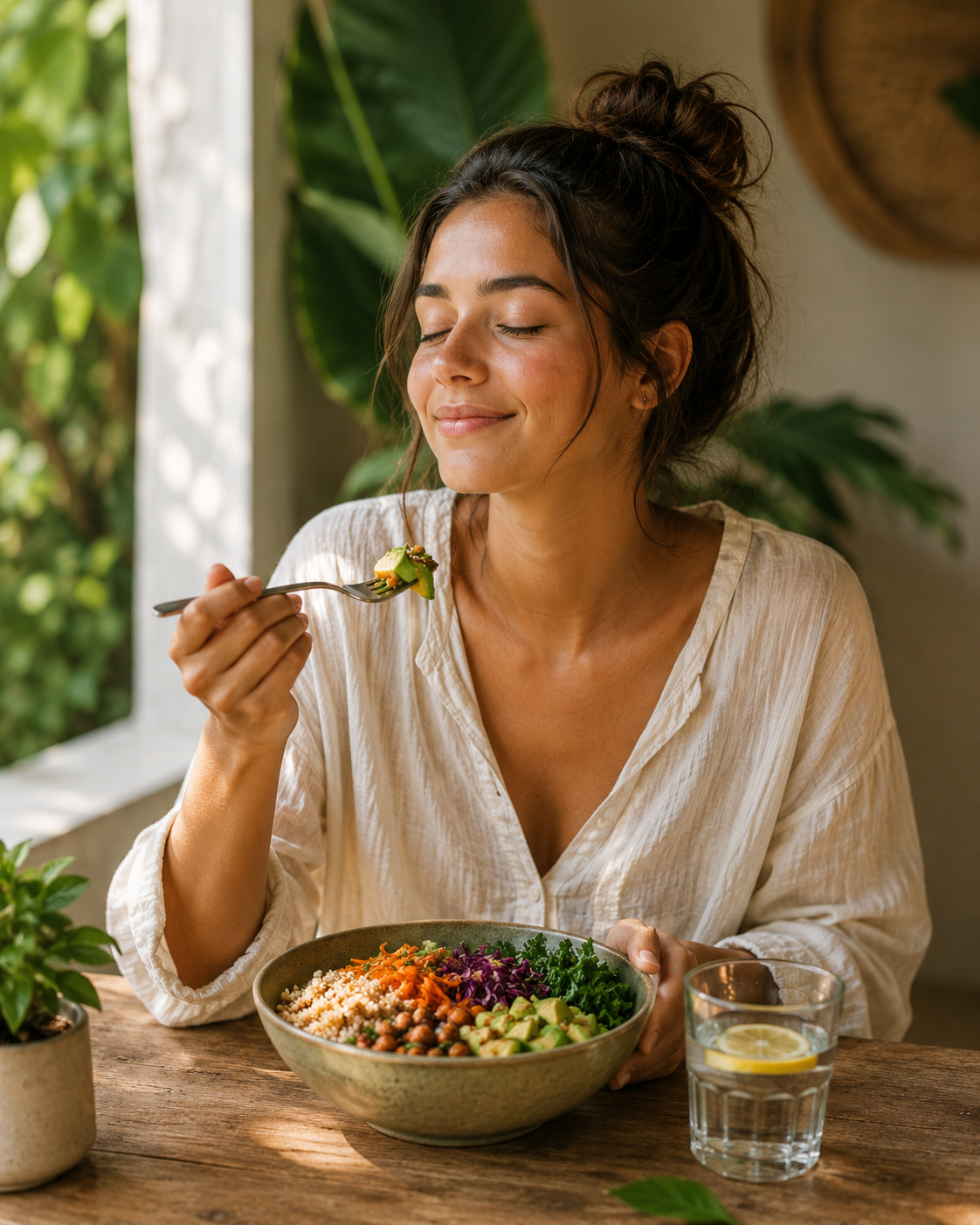
Ultimately, Mumbai’s embrace of veganism is far more than just a passing food trend it marks a profound cultural shift toward sustainability, health, and ethical living. The city’s plant-based scene now offers something for absolutely everyone, whether you are hunting for clean nutrition, sophisticated global flavors, or budget-friendly comfort food.
The Recipe for the Future
As this movement continues to gather steam, Mumbai is uniquely positioned to become a major powerhouse on the global vegan stage. The city's secret weapon lies in combining three key ingredients:
- Local Ingredients: Utilizing fresh, regionally sourced produce.
- Traditional Knowledge: Tapping into India's rich, centuries-old heritage of plant-based cooking.
- Modern Innovation: Experimenting with cutting-edge culinary techniques and dairy alternatives.
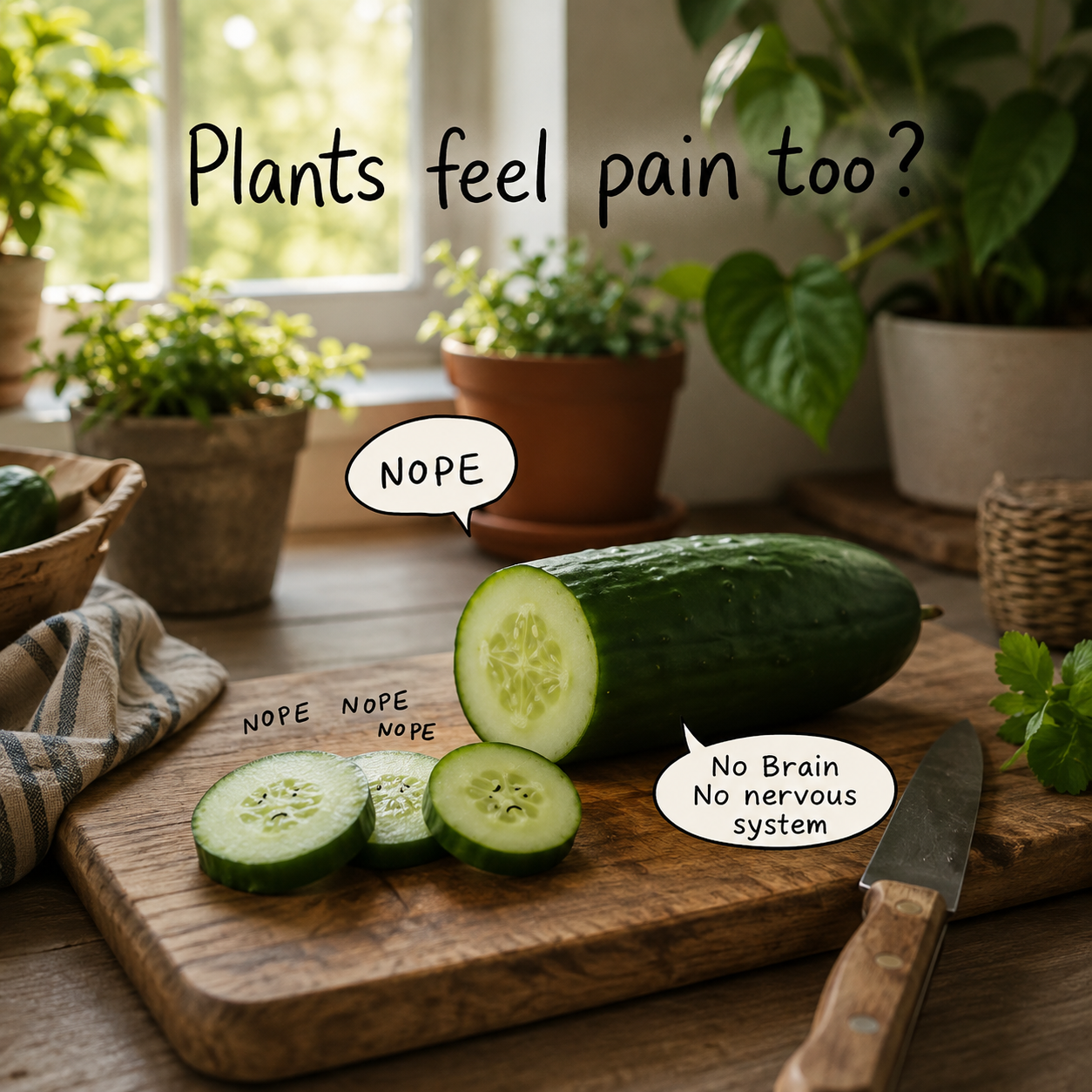
The future of food in Mumbai isn't simply about swapping meat for plants. It is about crafting a dining culture that is conscious, incredibly creative, and deeply connected to personal and planetary well-being without participating in curelty.













Leave a Reply
Let us know what you think about the blog post above, we’re interested in hearing from you!