

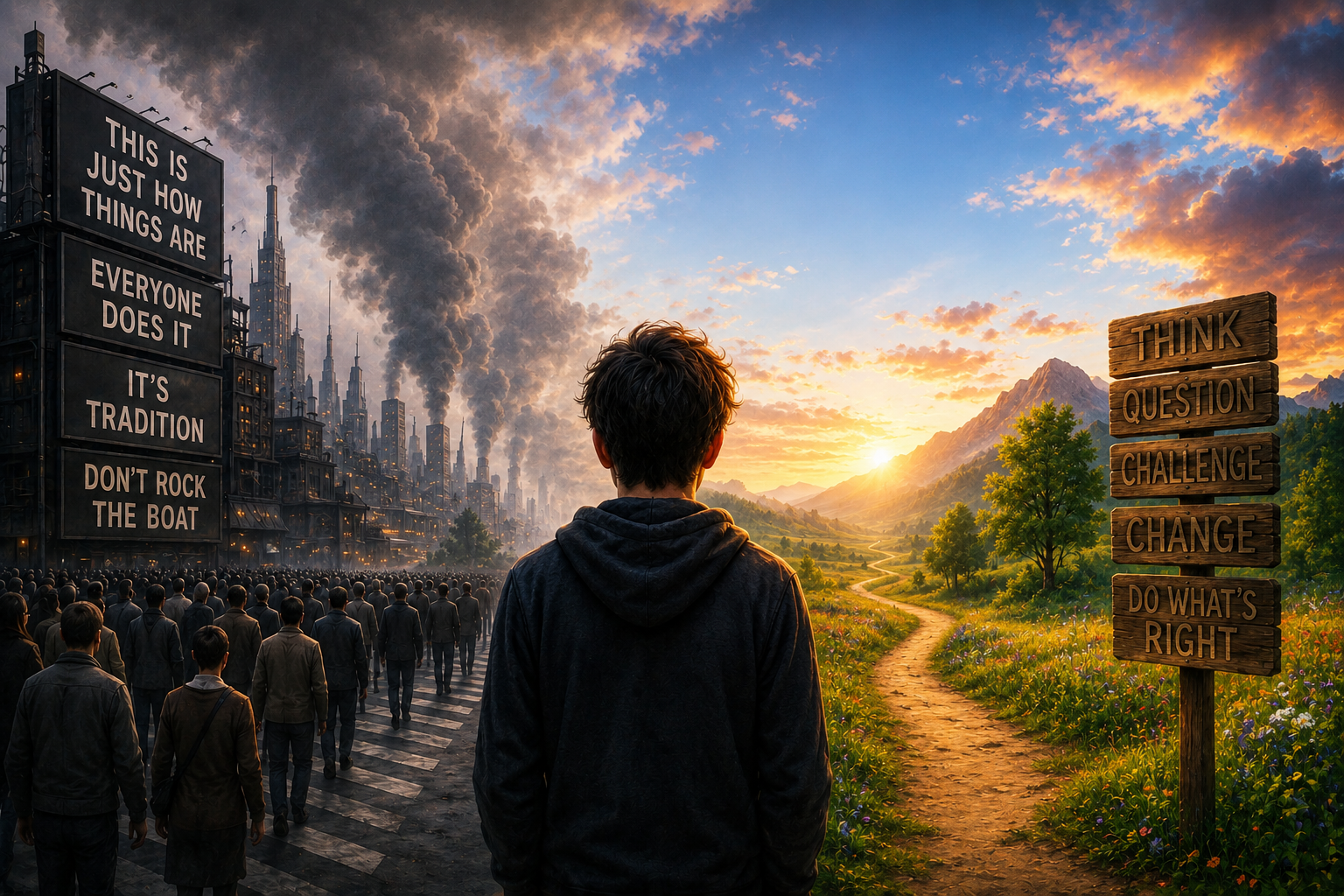
We live much of our lives on autopilot. We wake up, brush our teeth, commute to work, and sit down to eat the meals that look almost identical to the ones our parents ate and their parents before them. There is comfort in routine and reassurance in doing what everyone else does. But history has taught us a difficult truth: normality has never been a reliable measure of morality.
At different points in human history, discrimination, exploitation, and violence were once widely accepted as "normal." They were legal, socially endorsed, and woven into everyday life. Today, we look back at those periods with disbelief and shame. This raises an uncomfortable but necessary question for our time:
What practices do we accept today that future generations will struggle to understand? For millions of people across the world, the answer may lie quietly on our dinner plates.
The Trap of Tradition
One of the most common justifications for eating animals is simple and familiar: "Humans have always eaten meat," or "It's natural — it's the food chain." These arguments rely on tradition rather than ethics, assuming that longevity equals legitimacy.
But history proves otherwise. If moral progress depended solely on tradition, we would never have moved beyond many injustices we now condemn. Society has evolved in science, medicine, and human rights — yet when it comes to food, we often cling to habits formed in a very different era.
The question is no longer whether something is normal, but whether it is necessary, just, and kind.
When we stop asking "Is this normal?" and start asking "Is this kind?", our entire perspective changes.
The Invisible Victims
In modern society, animal consumption is carefully distanced from its reality. We buy beef, not a cow; pork, not a pig. Our food comes neatly packaged, labelled, and sanitized — without any reminder that it once belonged to a living, breathing being.
Behind this convenience lies a system built on immense suffering.
- Factory farming: Billions of animals are confined in spaces so small they cannot move freely or express natural behaviours, experiencing asphyxia and anxiety.
- Forced separation: In the dairy industry, mother cows — known for their strong maternal bonds — have their calves taken away within hours of birth so humans can consume the milk meant for them.
- Slaughter: Animals capable of fear, pain, and emotional distress are killed on industrial assembly lines, often after living only a fraction of their natural lifespan.
If these same acts were committed against dogs or cats, society would call it cruelty and demand justice. Yet when the victims are pigs or chicken — animals shown to be equally intelligent and emotionally complex — we call it food. This moral inconsistency is known as speciesism: valuing one species over another based solely on cultural conditioning. It persists not because it is ethical, but because it is familiar.
The Power of Choice
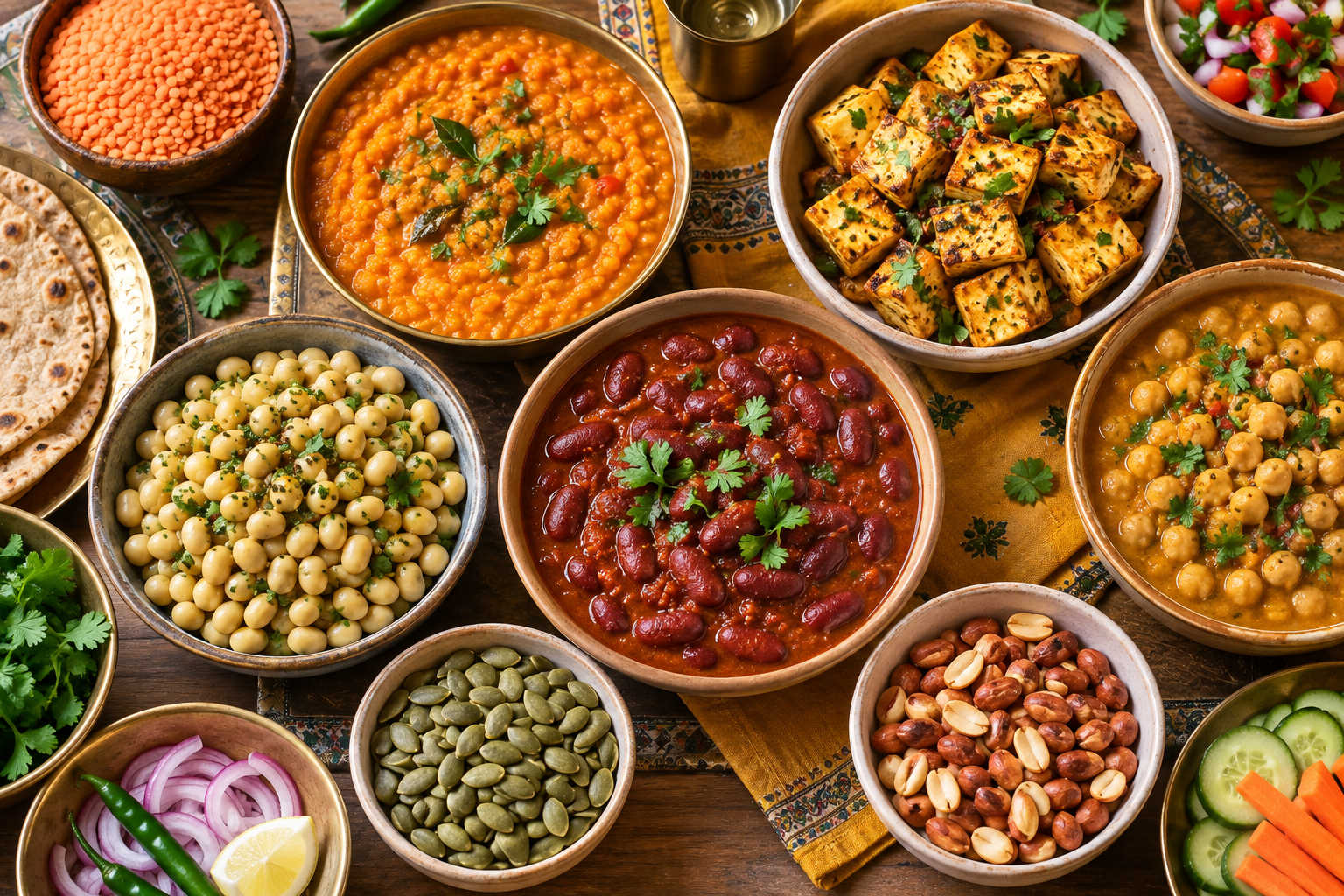
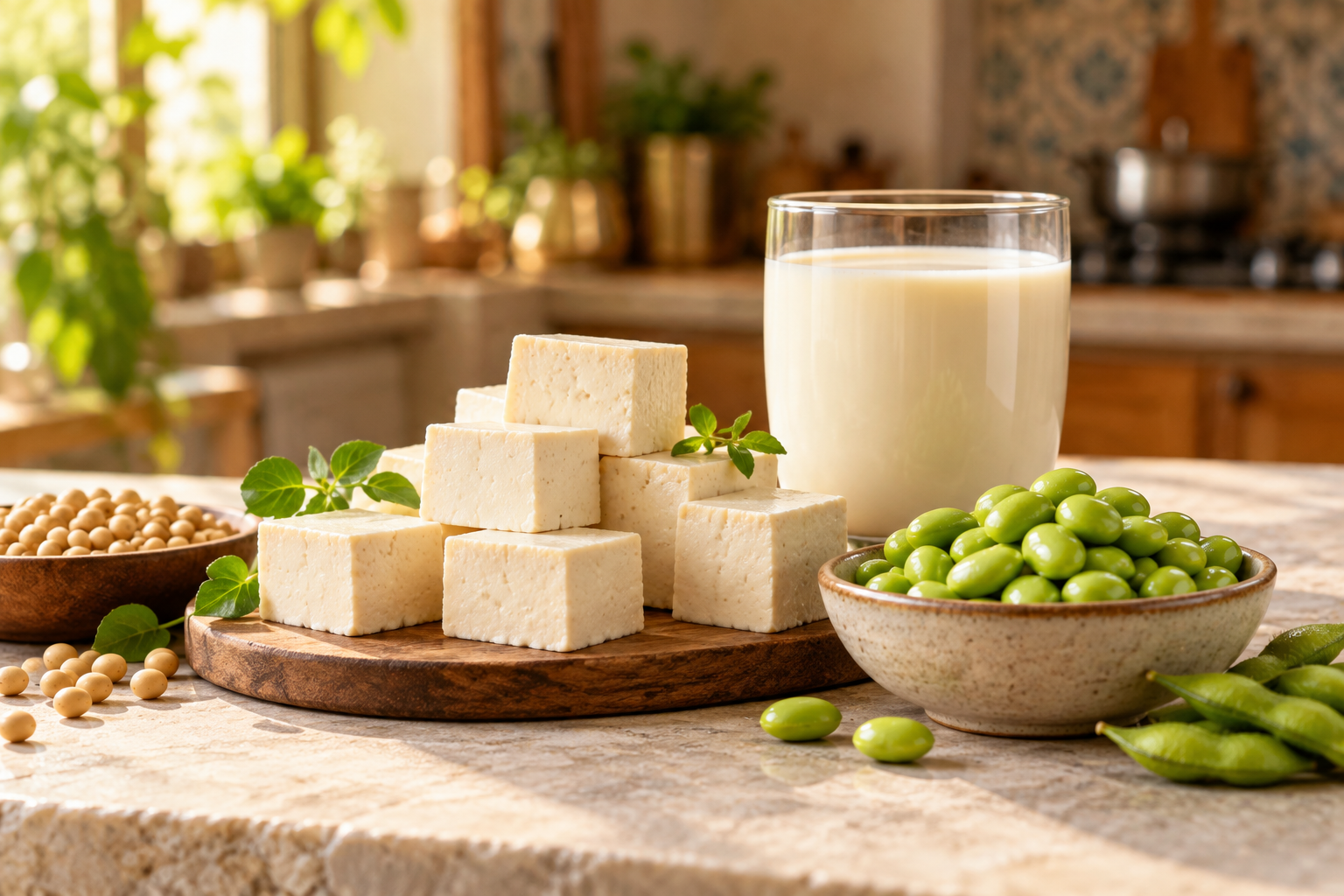
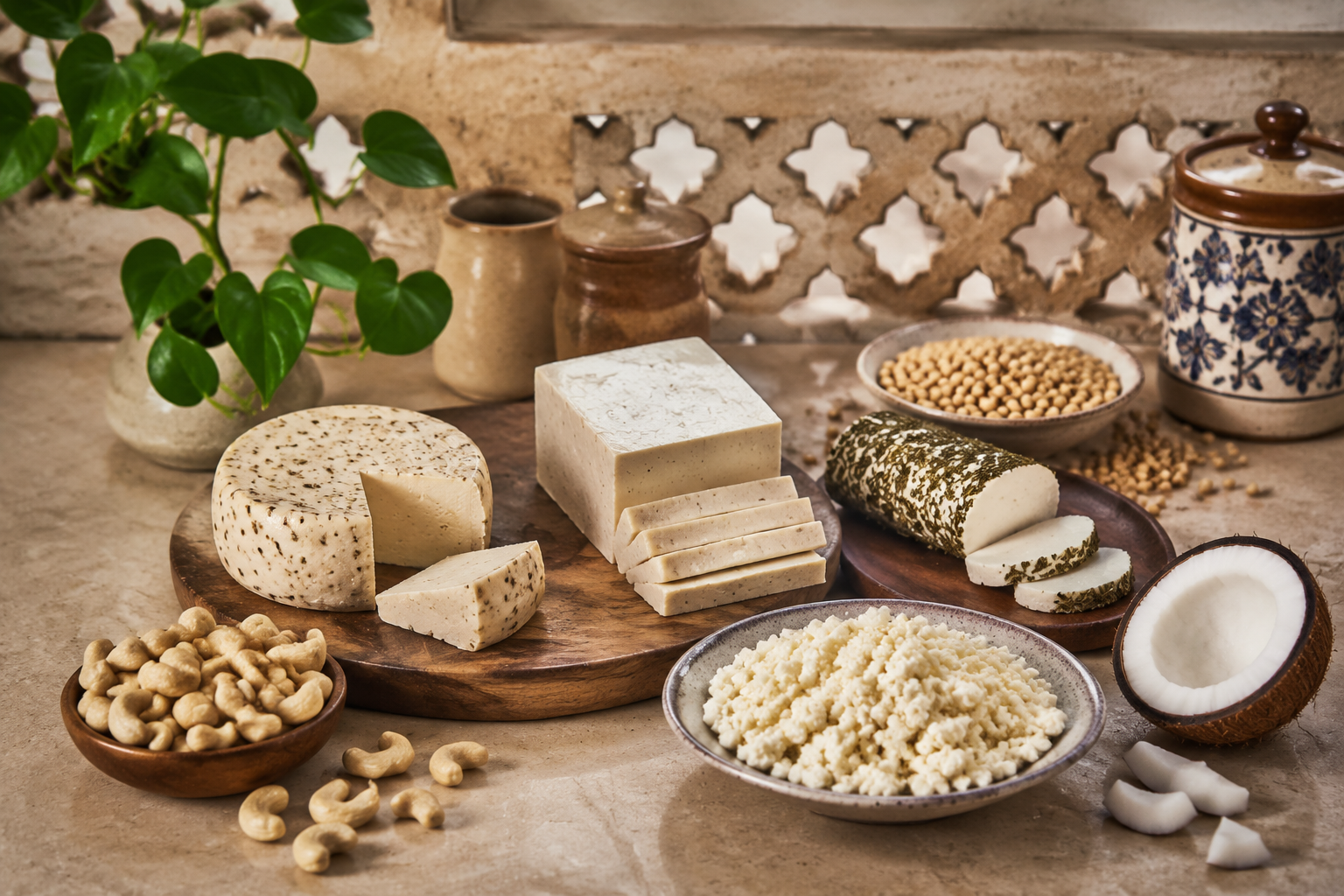
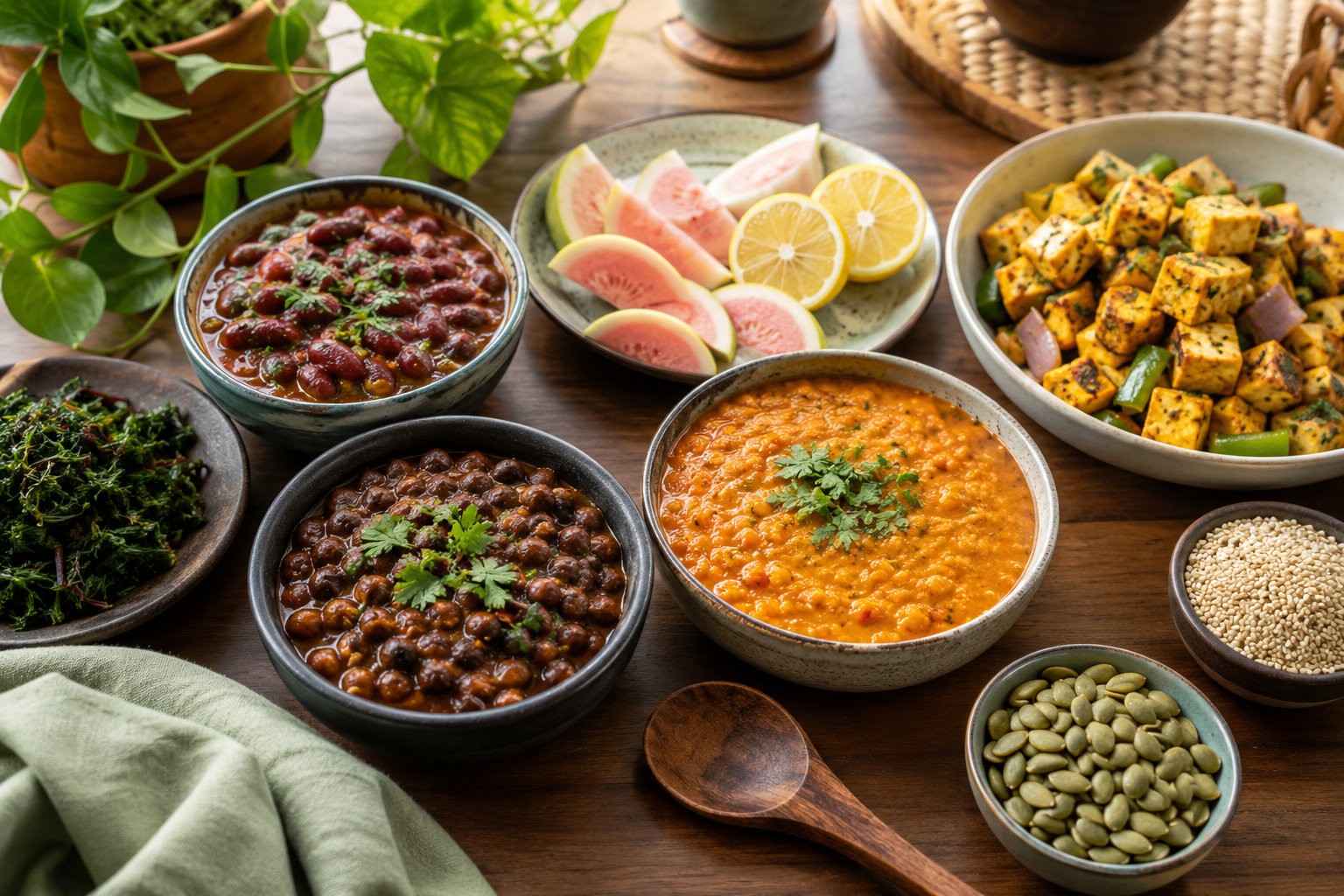
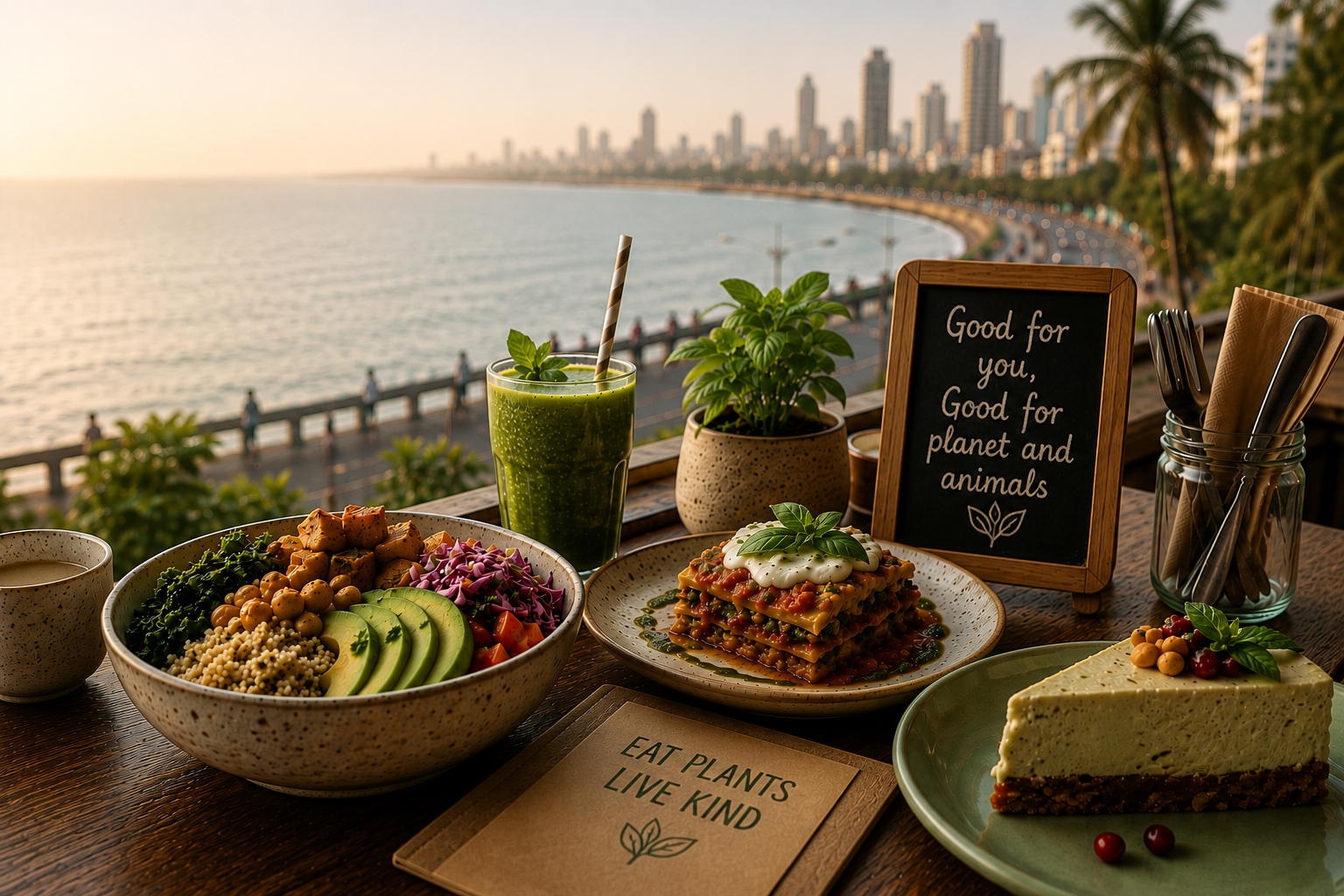
For the first time in history, most of us no longer need to consume animals to survive. We live in an age of abundance where plant-based foods are accessible, nutritious, and diverse.
Veganism is often misunderstood as sacrifice or restriction. In reality, it is an act of alignment. Many of us already believe we are against cruelty. We care about animals. We value compassion. Choosing a plant-based lifestyle allows our daily actions to reflect those values.
It is not about perfection. It is about recognising that a sentient being's right to live outweighs our momentary preference for taste or convenience.
Breaking the Cycle
Challenging what is "normal" is never easy. It takes courage to question traditions passed down through generations. It takes strength to be the only person at the table choosing differently. But every movement that expanded justice began with individuals who refused to accept the status quo.
- Just because something is legal does not make it ethical.
- Just because it is popular does not make it kind.
- Just because it is normal does not make it right.
Each meal is an opportunity to choose compassion over habit, awareness over convenience, and kindness over conformity. We have the power to redefine what normal looks like — to create a world where respect extends beyond our own species. That change doesn't begin in courtrooms or parliaments. It begins quietly, consistently, on our plates.




























Leave a Reply
Let us know what you think about the blog post above, we’re interested in hearing from you!