


One fine day you after having lunch, being in the lap of your cozy couch with sleepy eyes were scrolling through social media and suddenly your feed had an intruder!!! Asking you to be a vegan, adapt a healthy lifestyle and help to stop animal cruelty. You watched documentaries, read the books, and felt that spark of inspiration. Going vegan suddenly feels like both a moral calling and a health upgrade. But a few days in, reality hits. You're staring blankly at a restaurant menu, surviving on side salads and French fries, wondering whether this lifestyle is actually sustainable.
Transitioning to veganism is a powerful commitment to animals, the planet, and your own well-being. Yet the urge to change everything overnight often leads to the biggest threat to long-term success: burnout. Mindful veganism isn't about perfection; it's about sustainability.
This article explores the most common challenges new vegans face and offers practical, balanced ways to overcome them without exhaustion or guilt.
1. The Trap of "Cold Turkey" Perfectionism
Many people decide to quit all animal products overnight — cleaning out the fridge, memorising labels, and overhauling every meal. Within days, the constant decision-making becomes overwhelming. Food starts to feel restrictive, joyless, and stressful which results in the loss of interest, you start to have cheat meals…one more…one more and ultimately the solid commitment of veganism fades away.
The Mindful Approach: Crowd Out, Don't Cut Out
Rather than focusing on what you cannot eat, focus on adding more plant-based foods to your meals.
- Start Small: Begin with Meatless Mondays or vegan breakfasts.
- Use the Swap Method: Keep familiar meals but replace ingredients — lentils instead of beef, oat milk instead of dairy.
- Create Visual Abundance: Fill half your plate with vegetables first. Your plate should be colourful. Naturally, animal products shrink without feeling forbidden.
Slow transitions are not a weakness — they are what make change last.
2. The "Hangry Vegan" Syndrome
The Problem:
One of the most common mistakes is simply removing meat and dairy without replacing the lost calories and nutrients. A bowl of lettuce and cucumber may be vegan, but it won't fuel your body. Hunger, fatigue, and irritability soon follow.
The Mindful Approach: Eat for Density
Plant foods are often lower in calories, so vegans must eat enough so as to meet their daily requirement of calories. On an average, women need roughly 1,600 to 2,400 calories and men need 2,000 to 3,000 calories per day to maintain weight. Needs vary based on age, metabolism, and activity level, with higher activity requiring more energy. Generally, a 2,000-calorie daily intake is used as a standard for women and 2,500 for men.
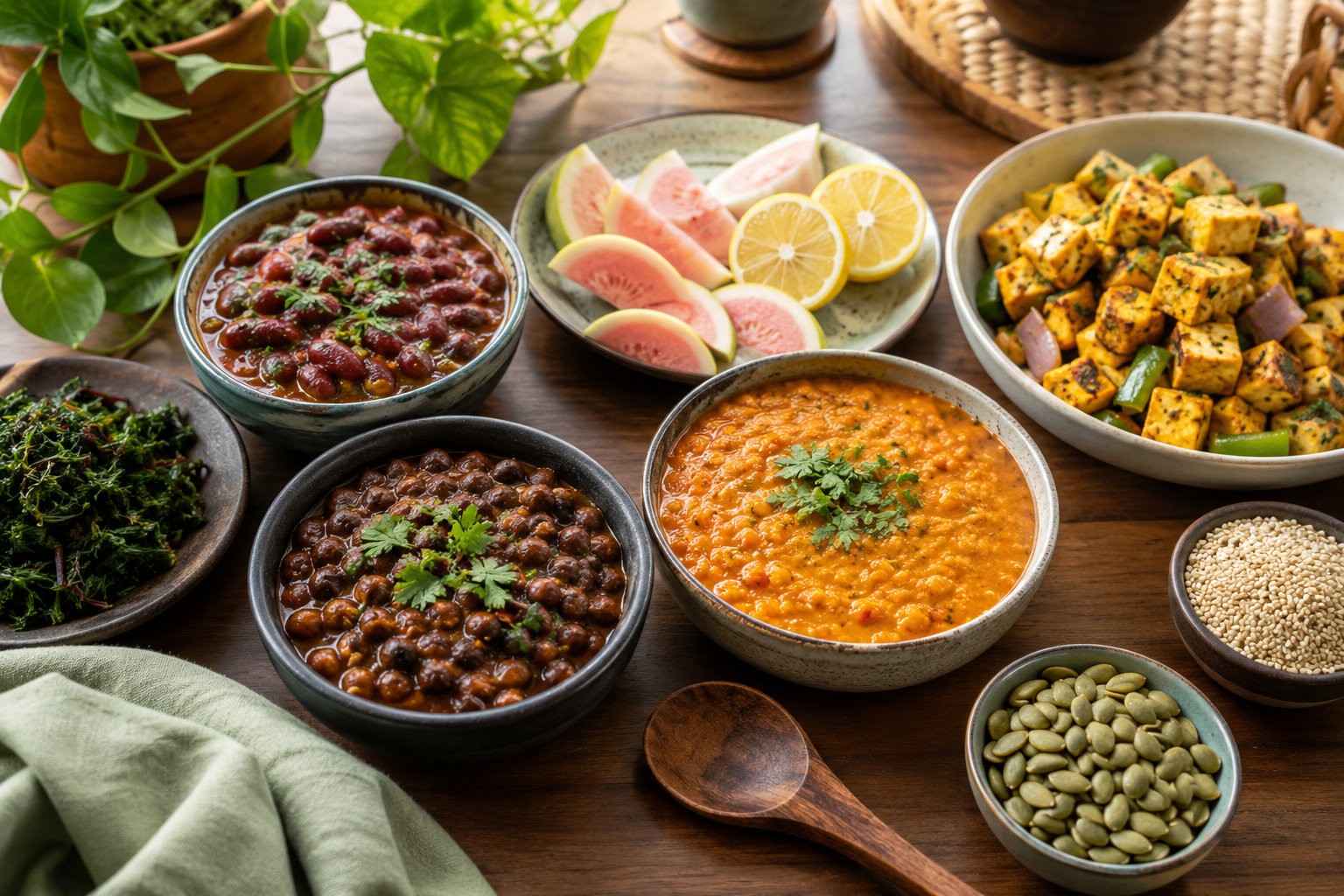
- The Holy Trinity: Every meal should include: 1. Protein (beans, lentils, tofu), 2. Healthy fats (nuts, seeds, avocado, olive oil), and 3. Fiber (vegetables, whole grains).
- Snack Smart: Keep calorie-dense snacks like trail mix, hummus, or nut butter available.
- Supplement Wisely: Vitamin B12 is essential for vegans. A simple supplement prevents fatigue and long-term deficiency.
Vegan meals should leave you satisfied, not starving. So, a gradual shift over a period of time along with proper planning will be preferred more over sudden and unplanned one.
3. Social Friction and Label Fatigue
The Problem:
Grocery shopping suddenly takes twice as long as you scrutinise ingredient lists. Social gatherings can feel uncomfortable, with awkward questions and judgment from others. Food becomes emotional rather than enjoyable, now each and every bite you take is with full of caution and well scrutinised.
The Mindful Approach: Preparation and Patience
- Simplify Shopping: Stick to whole foods — produce, grains, legumes. An apple is vegan; no label required.
- Be the Bringer: Bring a hearty vegan dish to social events. Good food speaks louder than arguments.
- Prepare Gentle Responses: Keep explanations personal and positive. Saying "I'm experimenting to feel better" is often more effective than debate.
Veganism doesn't require constant justification. You just start and others will join you in your journey.
4. The "Junk Food Vegan" Trap
The Problem:
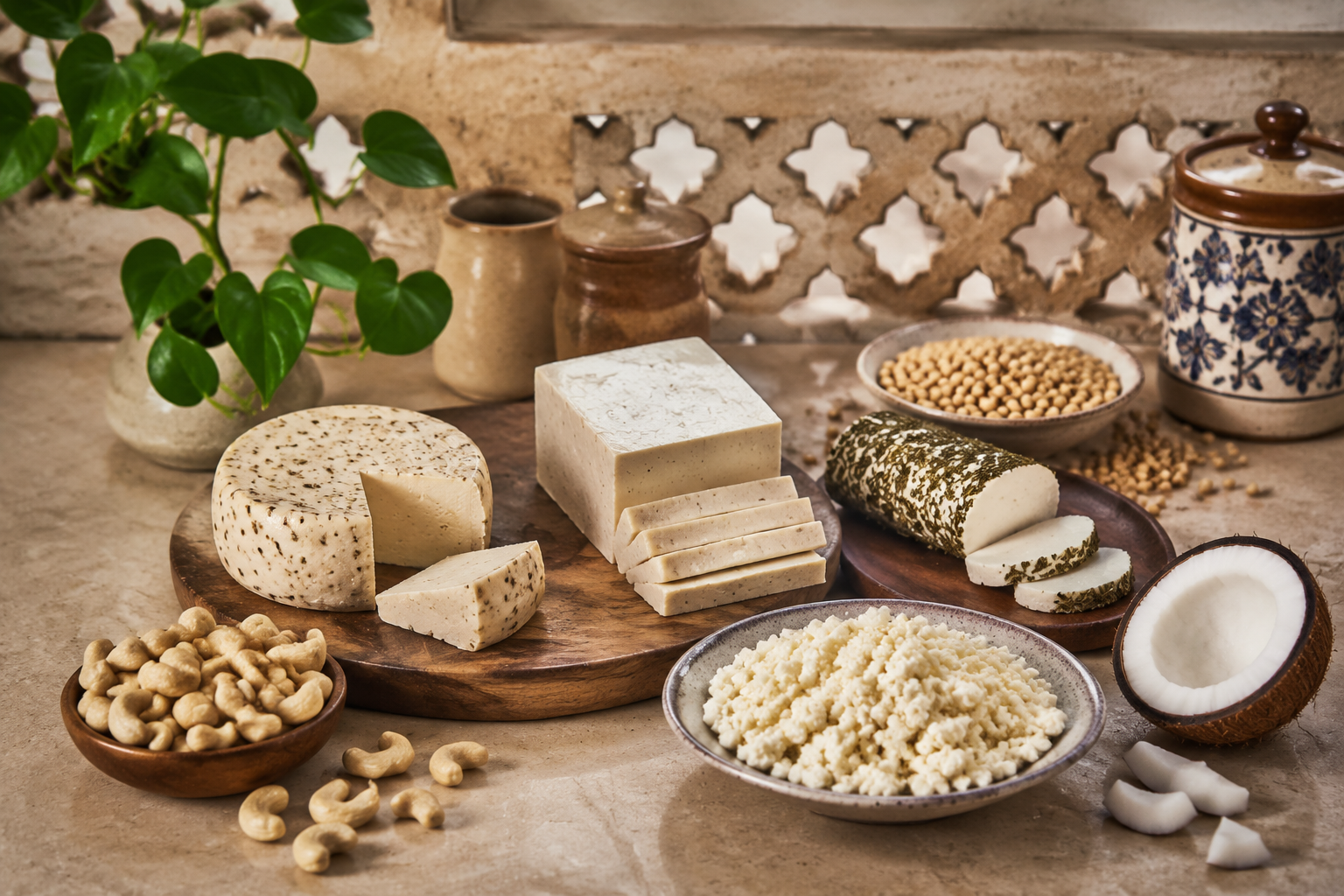
Today's market is full of vegan nuggets, cheeses, and desserts. While convenient and tasty, over-reliance on ultra-processed foods can lead to sluggishness and disappointment, making people believe veganism "doesn't work" for them.
The Mindful Approach: The 80/20 Rule
- Aim for whole, unprocessed foods 80% of the time.
- Enjoy vegan treats guilt-free the remaining 20%.
- Cook at Home: Home-cooked meals support both health and consistency.
- Read Nutrition Labels: "Vegan" does not always mean nutritious — watch sodium and saturated fat.
A balanced vegan diet supports energy, not extremes.
Conclusion: Compassion Over Perfection
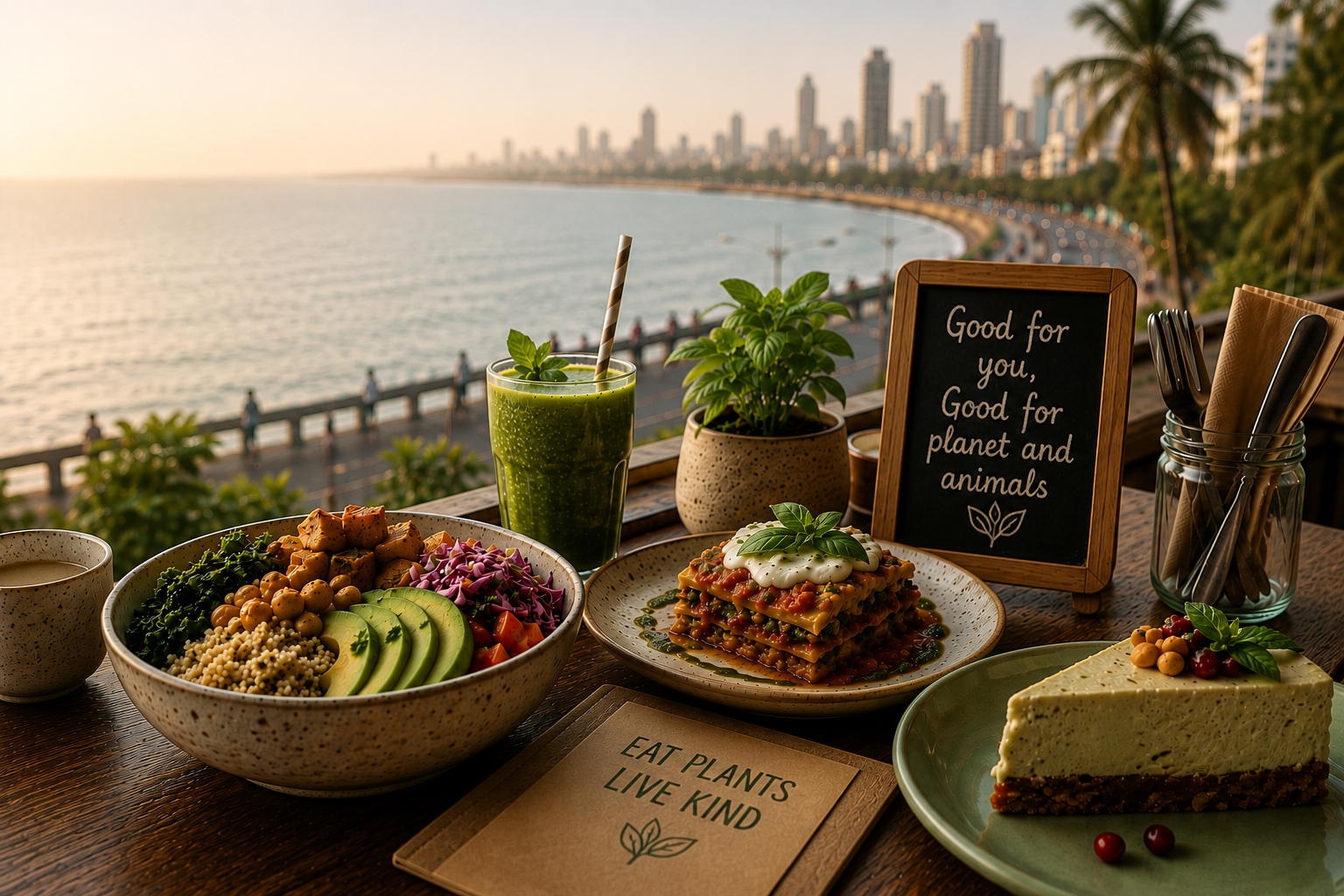
Mindful veganism begins with kindness — to animals, the planet, and yourself. Eating something non-vegan by mistake or giving in to a craving does not mean failure. It means you are human.
Veganism is not a purity test. It is a journey of awareness and intentional living. By easing into the transition, nourishing your body properly, and releasing the pressure to be perfect, you replace burnout with balance — and turn a temporary challenge into a sustainable way of life.













Leave a Reply
Let us know what you think about the blog post above, we’re interested in hearing from you!