


India's connection with dairy is profoundly established, spanning from morning chai to soothing bowls of curd rice. However, in recent years, a notable transformation has occurred: plant-based dairy alternatives have transitioned from a niche lifestyle preference to a viable, everyday choice. Nowadays, whether you are vegan, lactose intolerant, health-conscious, or simply exploring, there are numerous options available that do not require sacrificing flavour or tradition.
Particularly thrilling is that this transition is not about entirely "replacing" dairy. Instead, it focuses on providing improved, more adaptable alternatives. Once you grasp which substitute is suitable for each application, the shift becomes unexpectedly straightforward.
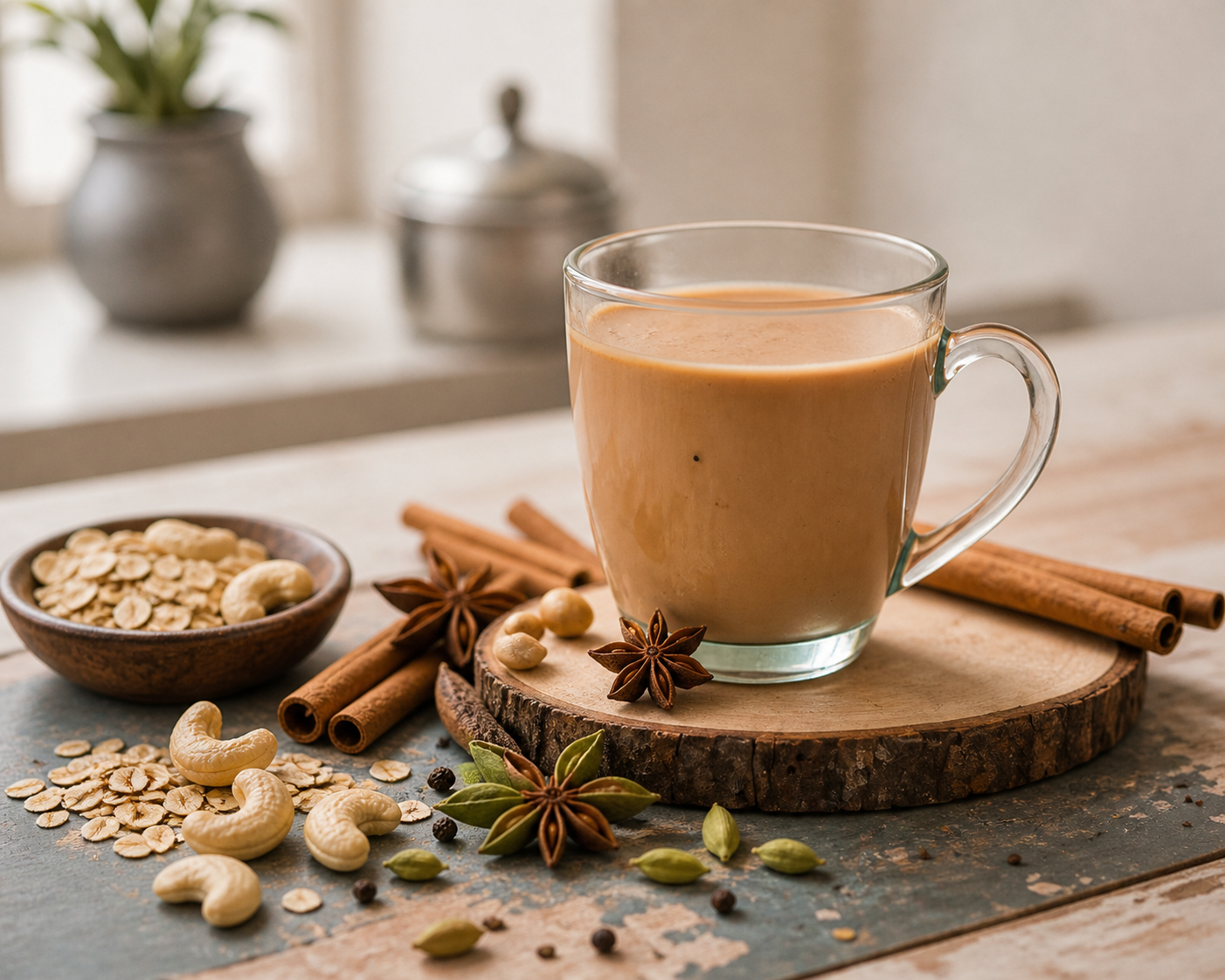
Let us begin with the most obvious and prevalent substitute: milk. Not all plant-based milks function identically, so selecting the appropriate one according to your requirements and needs is important for your daily routines.
Oat Milk – Smooth & Café-Friendly
If you enjoy coffee, oat milk is likely your ideal companion. It is creamy, naturally sweet, and froths exceptionally well.
Best for: Coffee, cold coffee, baking
Soy Milk – The Nutritional All-Rounder
This is the closest alternative to dairy milk regarding protein content and overall nutrition.
Best for: Daily use, tea, cooking, protein intake
Almond Milk – Light & Easy
Low in calories and mild in flavour, yet not very satiating due to its low protein content.
Best for: Smoothies, cereals, light drinking
Coconut Milk – Rich & Traditional
Already a fundamental component in various Indian cuisines, particularly in South Indian and coastal recipes.
Best for: Curries, desserts, gravies
Millet Milk – India’s Own Superfood
Derived from grains such as ragi and jowar, it is both sustainable and nutritious.
Best for: Everyday health and eco-conscious choices
A simple guideline to remember:
Desire taste & texture? → Oat
Desire nutrition? → Soy
Desire light & low on calories? → Almond
The Indian Market: More Options Than Ever
What used to be hard to find is now easily available online and in metros. Brands like Oatey, Sofit, Epigamia, Raw Pressery, So Good, and Urban Platter are leading the space with a mix of affordability and innovation.
- Budget-friendly options (like soy milk) start around ₹100–150 per litre
- Premium options (like oat or almond barista blends) go up to ₹250–300 per litre
Beyond Milk: The Real Game-Changers
Milk is just the beginning of the segment. What really shows how far India has come is the variety of non-milk dairy alternatives are the innovations pertaining to the dairy sections other than milk. Like those that are enlisted hereunder;
1. Yogurt (Dahi)
Plant-based curd made from coconut, soy, or even peanuts is now widely available.
- Creamy, slightly tangy, and probiotic-rich
- Works for breakfast, smoothies, and even Indian meals
2. Butter
Made using coconut oil or vegetable oils, vegan butter spreads and cooks just like regular butter.
- Great for rotis, toast, parathas, and baking
- Slight difference in flavour, but easy to adapt
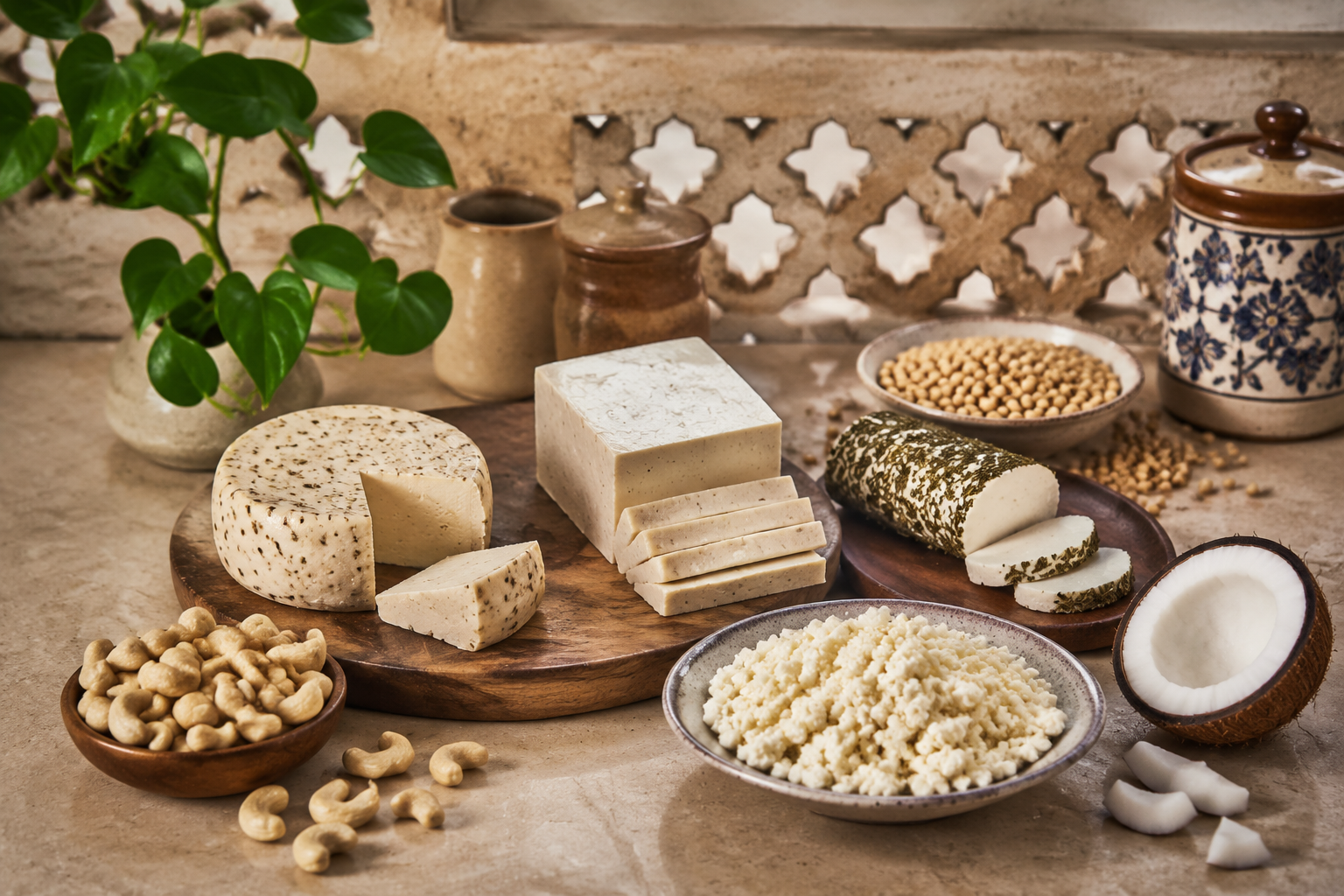
3. Cheese (Still Improving)
Vegan cheese has improved a lot but is still catching up to dairy.
- Usually made from cashews or coconut oil
- Melts reasonably well on pizza and sandwiches
4. Paneer Alternative – Tofu
This is where plant-based eating really works in India.
- High in protein
- Absorbs flavours well
- Fits perfectly into Indian dishes like curries and stir-fries
5. Cream & Cooking Alternatives
- Coconut cream and cashew paste are excellent for rich gravies
- Perfect for variety of Vegetarian and Vegan Indian dishes and can also be used in Italian cuisine like pasta etc.
Things You Should Definitely Keep in Mind
- Check labels – avoid excess sugar and unnecessary additives that can cause problems to the body and interfere with the normal functioning of the same
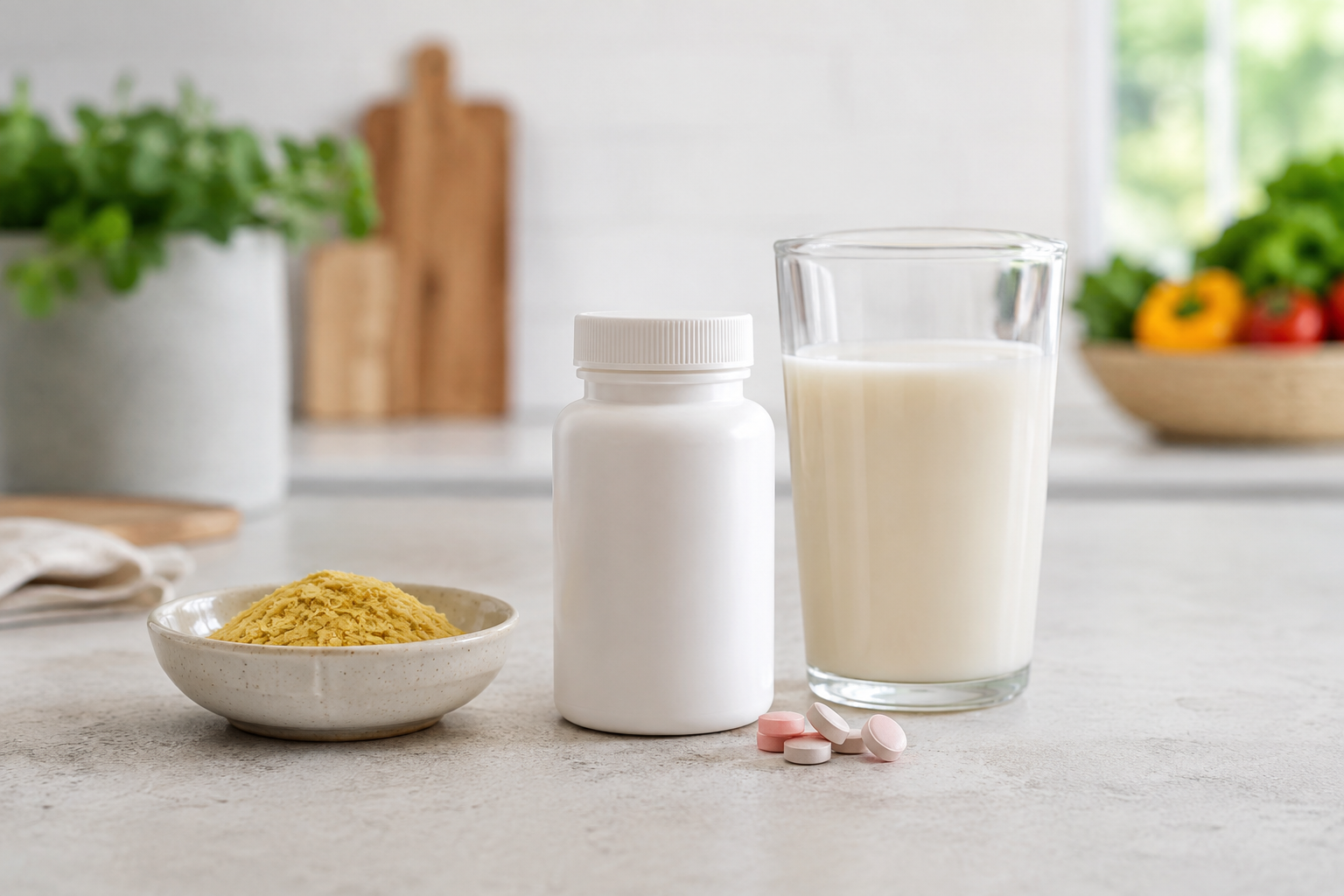
- Choose fortified products – look for Calcium, Vitamin D, B12, B6, A, C etc. as these are some of the essential nutrients which are required to maintain a good health
- Go unsweetened for daily use as excess calories and generate problems of other kinds like diabetes, obesity etc which can hamper one’s resolution of healthy living significantly.
- Store properly – most of the vegan products easily last 7–10 days after opening
- Make Sunlight your constant companion – sunlight is vital for human health, driving vitamin D synthesis, regulating circadian rhythms for better sleep, and boosting serotonin for improved moods
How to Choose What’s Best for You
Instead of overthinking, match your choice to your lifestyle:
- For chai lovers: Soy milk works best
- For coffee lovers: Oat milk is ideal
- For gym-goers: Soy milk + tofu
- For traditional cooking: Coconut milk or cashew paste
- For kids or beginners: Almond milk (mild and easy)
In India, plant-based dairy has evolved from a notion of restriction to one of choice and freedom. You need not forgo your beloved foods; rather, you can learn to modify them. In fact, once you discover suitable alternatives, you might find that you do not even long for traditional dairy.
The most effective strategy is not to make an abrupt transition. Begin gradually by substituting your morning milk, experimenting with plant-based yogurt, or incorporating tofu into a single meal. As time progresses, this shift will feel less like a change and more like an integration into your routine.
Ultimately, the ideal dairy substitute is not merely a specific product; it is one that integrates effortlessly into your everyday life.










Leave a Reply
Let us know what you think about the blog post above, we’re interested in hearing from you!