

Going vegan removes dairy, eggs and seafood—the foods many nutrition guides list as common iodine sources. That does not make a vegan diet iodine-deficient by definition, but it does mean iodine needs a deliberate plan.
For most people in India, the simplest answer is not an expensive “superfood.” It is ordinary iodized salt, used in sensible amounts.
Why iodine matters
Iodine is needed to make thyroid hormones. These hormones help regulate metabolism and support growth and brain development. Too little iodine can contribute to an enlarged thyroid and hypothyroidism; too much can also disrupt thyroid function.
The ICMR–National Institute of Nutrition’s 2020 recommendations list an adult iodine RDA of 150 micrograms a day. Needs are higher during pregnancy and breastfeeding, so anyone in those life stages should discuss iodine with a qualified clinician rather than guessing.
Why vegans need to pay attention
The NIH Office of Dietary Supplements identifies people who eat little or no dairy, seafood and eggs—including vegans—as a group that may not get enough iodine. Plant foods are not reliably rich in iodine because their content changes with soil, water and farming conditions.
This is a planning issue, not an argument against veganism. A dependable fortified source solves it without requiring animal products.
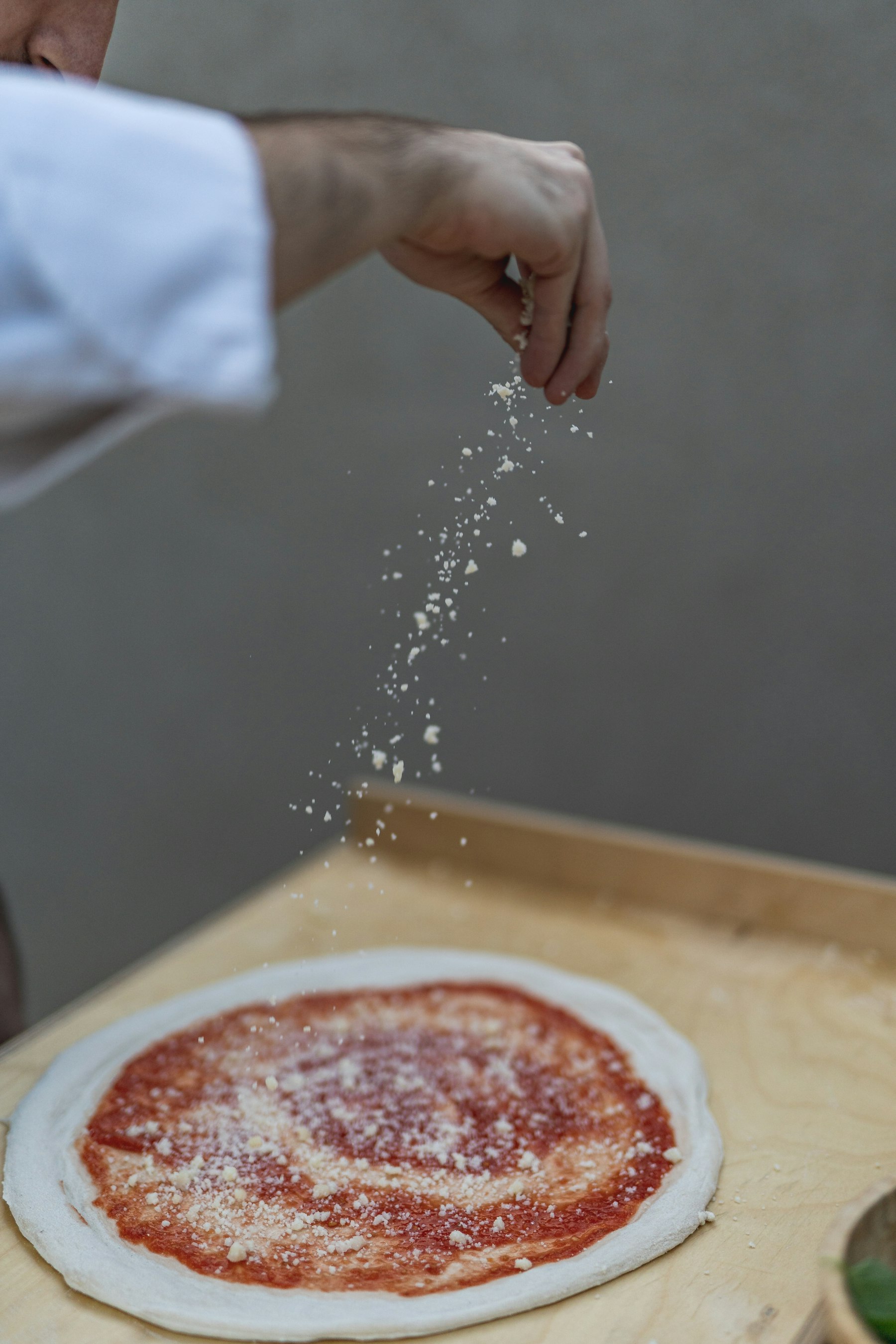
Iodized salt is the practical Indian option
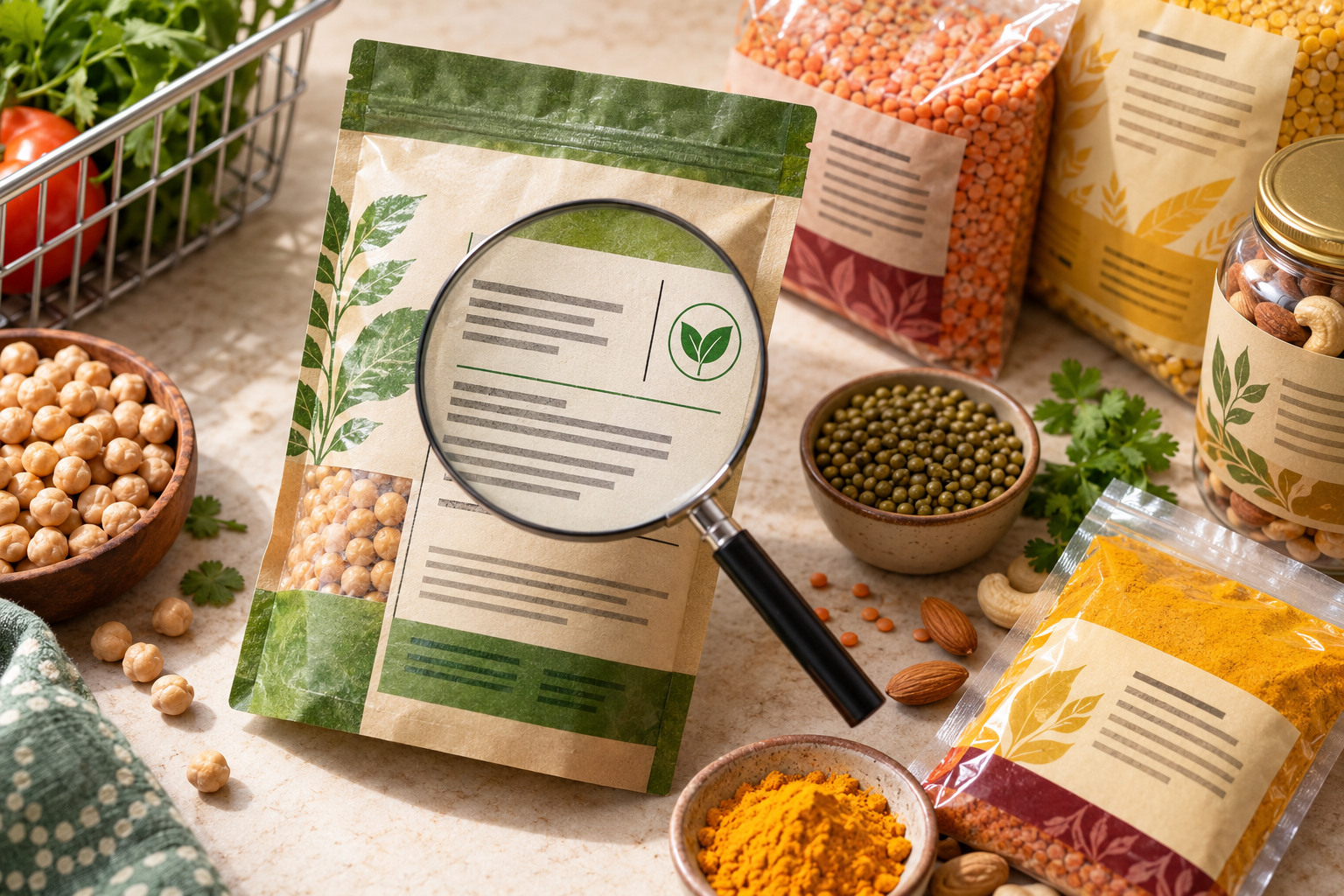
FSSAI’s fortification standard specifies 15–30 parts per million of iodine for iodized salt. Look for the word “iodized” or the fortification mark on the pack. Rock salt, pink salt, black salt and artisanal sea salt should not be assumed to contain enough iodine unless the label specifically says they are iodized.
Keep salt dry and tightly closed, and follow the storage directions on the pack. Iodine content can decline with moisture, heat and long storage.
This does not mean eating more salt. Use a modest amount of iodized salt within normal sodium guidance; it is the fortification that matters.
What about seaweed?
Seaweed can contain iodine, but the amount varies enormously by species and serving. Kelp can deliver far more than a person needs. That makes “a little seaweed every day” less predictable than it sounds.
Nori sheets used for sushi are generally lower in iodine than kelp, but levels still vary. Treat seaweed as a food, not as an unmeasured supplement. Avoid kelp-based iodine products unless a clinician has advised them.
Do you need an iodine supplement?
If you do not use iodized salt, eat very little salt, have a thyroid condition, are pregnant or breastfeeding, or have been told your iodine status is low, speak with a doctor or registered dietitian. A supplement may be appropriate, but more is not better.
Read units carefully: nutrition needs are measured in micrograms (µg), not milligrams (mg). One milligram is 1,000 micrograms. High-dose iodine can trigger thyroid problems, particularly in people with existing thyroid disease.
A simple vegan iodine checklist
- Check that your everyday salt is explicitly labelled iodized.
- Do not assume pink, rock, sea or black salt provides iodine.
- Use salt moderately; do not increase sodium just to chase iodine.
- Avoid routine kelp supplements and unmeasured seaweed powders.
- Get professional advice during pregnancy, breastfeeding or thyroid treatment.
The bottom line
A well-planned vegan diet can meet iodine needs. In India, labelled iodized salt is usually the simplest, cheapest and most consistent strategy. Pair that with the broader foundations in our vegetarian-to-vegan guide for India and remember the other nutrient that needs special attention: vitamin B12.
This article is educational and is not a substitute for personalised medical advice.





















Leave a Reply
Let us know what you think about the blog post above, we’re interested in hearing from you!