

“Vegan leather” tells you one important thing: the material was made without animal skin. It does not, by itself, tell you whether a bag is plastic-free, biodegradable, durable or low-impact. For shoppers in India, the smartest approach is to separate the ethical question from the material question—and ask both.
The Vegan Society defines veganism as seeking to avoid animal exploitation, including in clothing. Conventional leather is made from animal hides, while vegan leather uses non-animal materials. That is why animal-free leather alternatives are the clear ethical choice.
What is vegan leather made from?
There is no single material called vegan leather. The label can cover several very different constructions:
- PU leather: polyurethane applied to a textile backing. It is flexible, easy to clean and widely used in bags, shoes and upholstery. Textile Exchange notes that PU is commonly used in footwear because of its flexibility and durability.
- PVC leather: polyvinyl chloride-based imitation leather. It is animal-free, but relies heavily on fossil-derived plastic.
- Plant-content composites: materials marketed around cactus, apple waste, grape residue, pineapple leaf fibre, cork or other renewable inputs. Many still use a polymer binder or coating, so “made with plants” does not always mean 100% plant-based.
- Mycelium and fermentation-derived materials: emerging alternatives grown from fungal structures or other biological processes. Availability and composition vary by manufacturer.
- Natural textiles: cork, cotton canvas, hemp and other woven materials can replace leather entirely, even when they do not imitate its exact look.
Is PU vegan leather still vegan?
Yes—if the finished material and its components contain no animal-derived ingredients, PU leather can be vegan. Vegan describes the absence of animal exploitation; it is not the same claim as plastic-free, natural or compostable.
That distinction matters. A PU bag can be genuinely animal-free while still creating environmental concerns. Equally, an animal-hide product does not become vegan because it is durable or described as a “by-product”. Textile Exchange identifies animal welfare and deforestation as key challenges in the bovine leather supply chain.
What do cactus, apple and pineapple leather claims really mean?
Plant-based feedstocks are promising because they can reduce dependence on animal hides and, in some cases, virgin fossil inputs. But the percentage of plant content can vary enormously. A product may highlight cactus or apple waste on the front while using PU in the backing, binder or protective finish.
This is not automatically dishonest or bad: coatings may improve water resistance and lifespan. The problem is vague marketing. A useful product page should state the material composition by percentage, describe the backing and coating, and explain whether recycled or virgin plastic is used.

How to choose better vegan leather in India
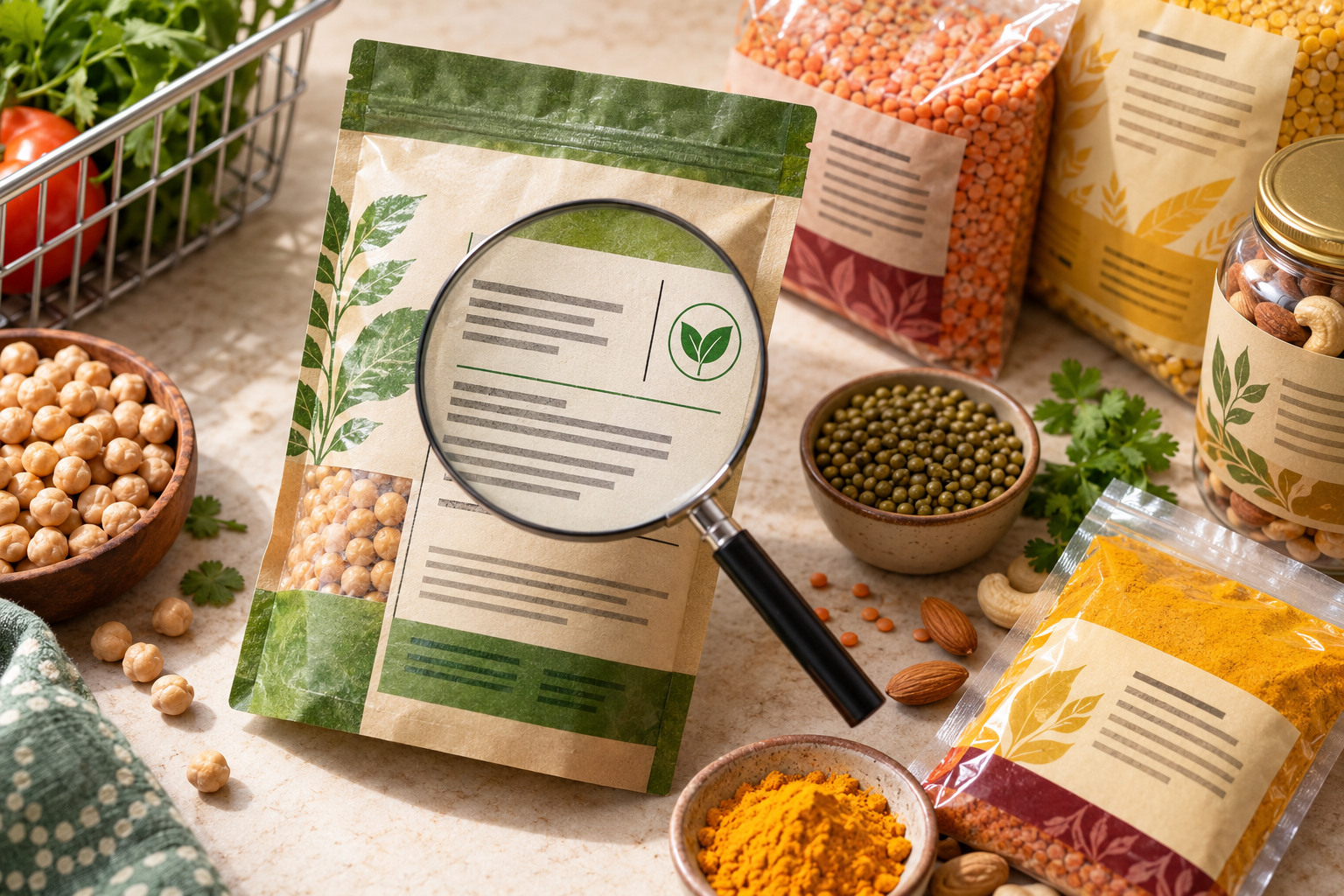
Before buying shoes, handbags, wallets, belts or jackets, use this five-question check:
- Is it explicitly animal-free? Look for a vegan declaration or credible certification rather than assuming “synthetic” covers every trim, adhesive or lining.
- What is the full composition? Ask for percentages—not only a headline ingredient such as cactus, apple or corn.
- What is the backing? Cotton, recycled polyester and virgin polyester have different trade-offs.
- Can it be repaired? Replaceable straps, sturdy stitching and repair services can extend useful life.
- How should it be cared for? Correct cleaning and storage matter more than a fashionable material name if the item cracks after one season.
Labels should also be clear. The US Federal Trade Commission’s Leather Guides, for example, say that non-leather content should be disclosed when a material looks like leather. Indian shoppers deserve the same practical transparency: what is it, what percentage is present and how long is it designed to last?
Does vegan leather last?
Quality varies. Thin, poorly bonded synthetic leather can peel quickly. Better PU, coated textiles, cork and newer composite materials can perform well when construction and care are good. Check the stitching, edge paint, zip quality, abrasion information and warranty—not simply the material name.
A durable item used for years is usually a better purchase than several trend pieces replaced quickly. Buying second-hand animal-free pieces, repairing what you own and choosing timeless designs can reduce consumption further.
What about biodegradability?
Do not assume that “bio-based”, “plant-based” and “biodegradable” mean the same thing. A material may contain renewable feedstock but still include a polymer that prevents home composting. Unless the brand states a tested disposal pathway and relevant conditions, treat biodegradability claims cautiously.
Textile Exchange describes biosynthetics as materials wholly or partly derived from renewable sources. “Partly” is the crucial word.
The bottom line
For animals, choosing non-animal materials is the decisive step. For the planet, go one step further: seek clear composition, recycled or renewable content where practical, strong construction, repairability and a long useful life.
The most honest answer is not that every vegan leather is perfect. It is that we can reject animal skin while demanding better animal-free materials. Ethics and material innovation should move together.
Explore our guide to whether silk is vegan and our wider ethical living articles for more compassionate fashion choices.














Leave a Reply
Let us know what you think about the blog post above, we’re interested in hearing from you!