


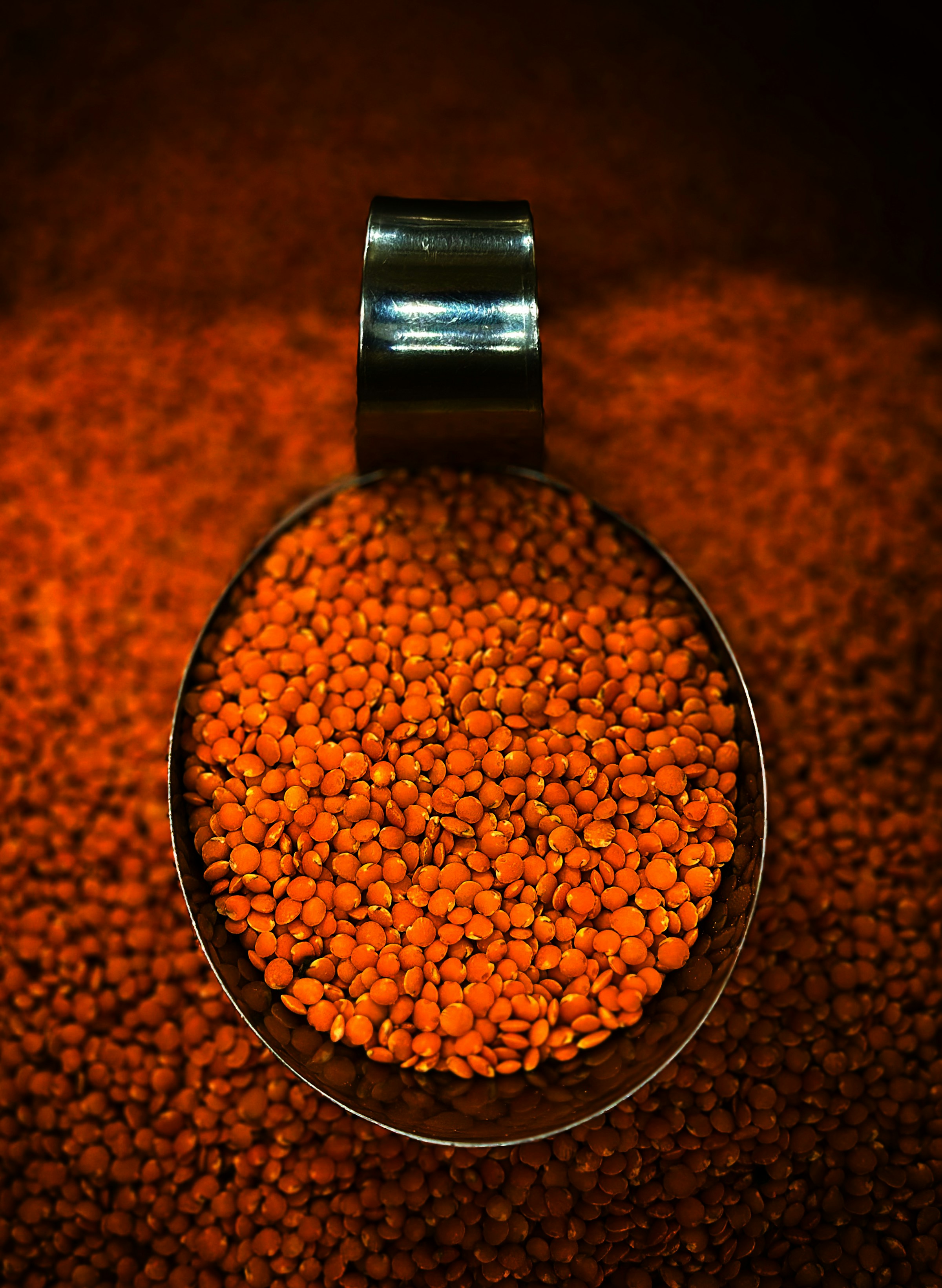
Dal is often treated as a humble side dish. In India’s food economy, it is much more: a daily protein source, a farmer’s crop, a household budget line and a buffer against dependence on animal foods.
On 1 October 2026, Reuters reported that the Indian government was considering cutting import duties on red lentils and yellow peas after below-average rainfall damaged pulse crops and pushed up food prices. No final tariff decision had been announced at the time of writing.
The debate is a timely reminder that affordable plant protein is public infrastructure. When pulses become expensive, nutrition, food security and the transition to kinder diets all become harder.
What is being considered
According to Reuters’ 1 October report, India was considering reducing duties on red lentils and yellow peas to improve supply and cool prices. Duty-free imports of pigeon peas and black gram had already been extended to March 2027, while chickpeas were expected to remain protected to encourage domestic sowing.
India is the world’s largest producer, consumer and importer of pulses. Reuters cited 2024–25 production of 25.7 million tonnes and imports of 7.3 million tonnes—about 23% of consumption.
Those numbers explain the policy tension. Lower duties can bring quicker relief to consumers, but sudden cheap imports can hurt farmers who need confidence to plant the next crop.
Why the monsoon matters
Pulses are often described as drought-resilient, but resilient does not mean immune. Rainfall timing, soil moisture, heat, seed access and irrigation all affect yields. A weak monsoon in major producing regions can quickly move through wholesale markets into the price of everyday dal.
Climate adaptation should therefore include better seeds, local water management, crop insurance, storage, price support and transparent import policy. It should not ask farmers or low-income households to absorb every shock alone.
Pulses are a nutritional anchor
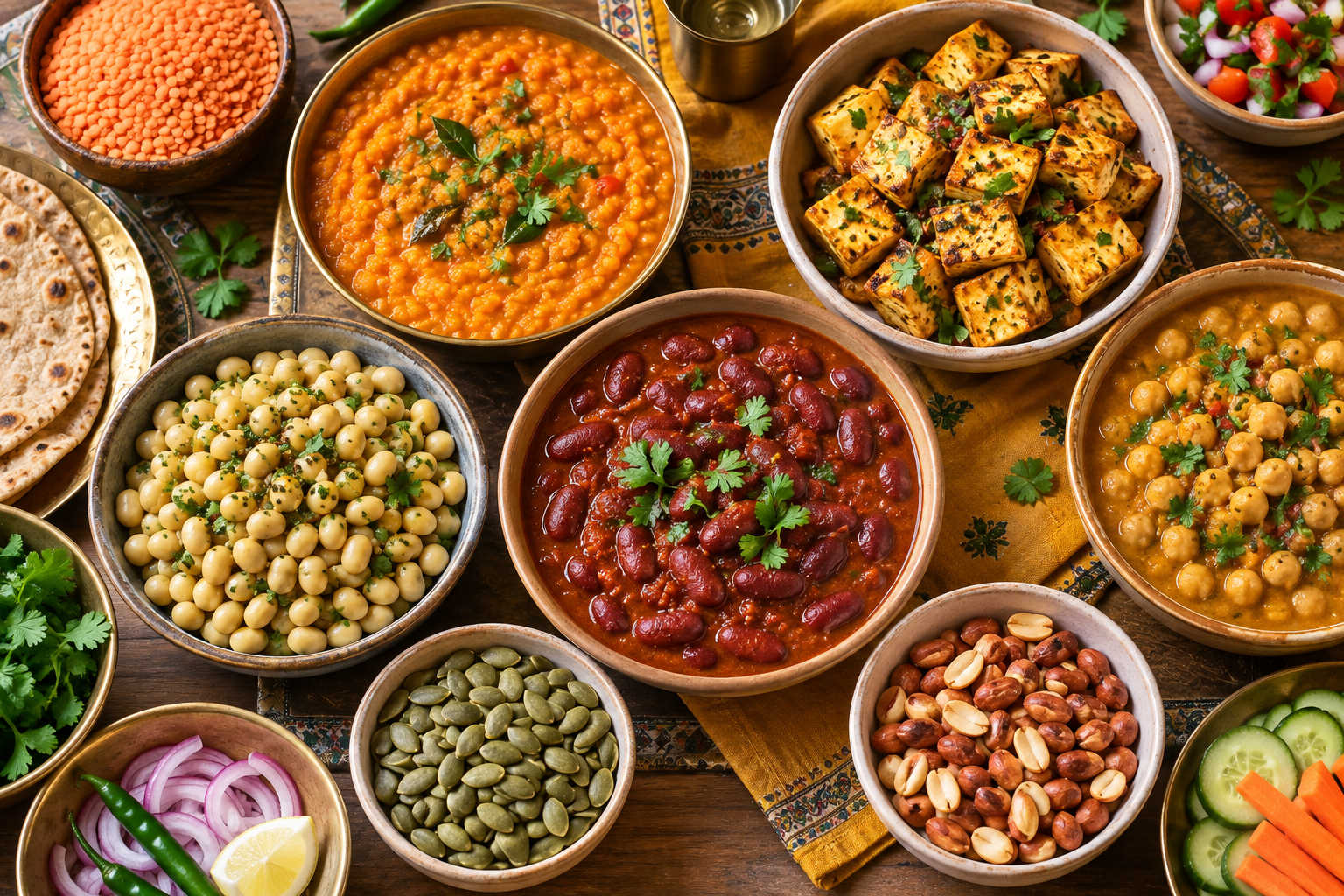
Lentils, chickpeas, pigeon peas, black gram, kidney beans and other legumes provide protein, fibre, iron, folate and a range of minerals. Paired with grains and a varied diet, they are a practical foundation for Indian vegan meals.
The ICMR–National Institute of Nutrition dietary guidelines place pulses and legumes within a diverse daily eating pattern. They are not a niche substitute. They are part of India’s food tradition and nutrition strategy.
For help turning those staples into a protein plan, see our budget vegan protein guide for India.
The pro-vegan case for pulse security
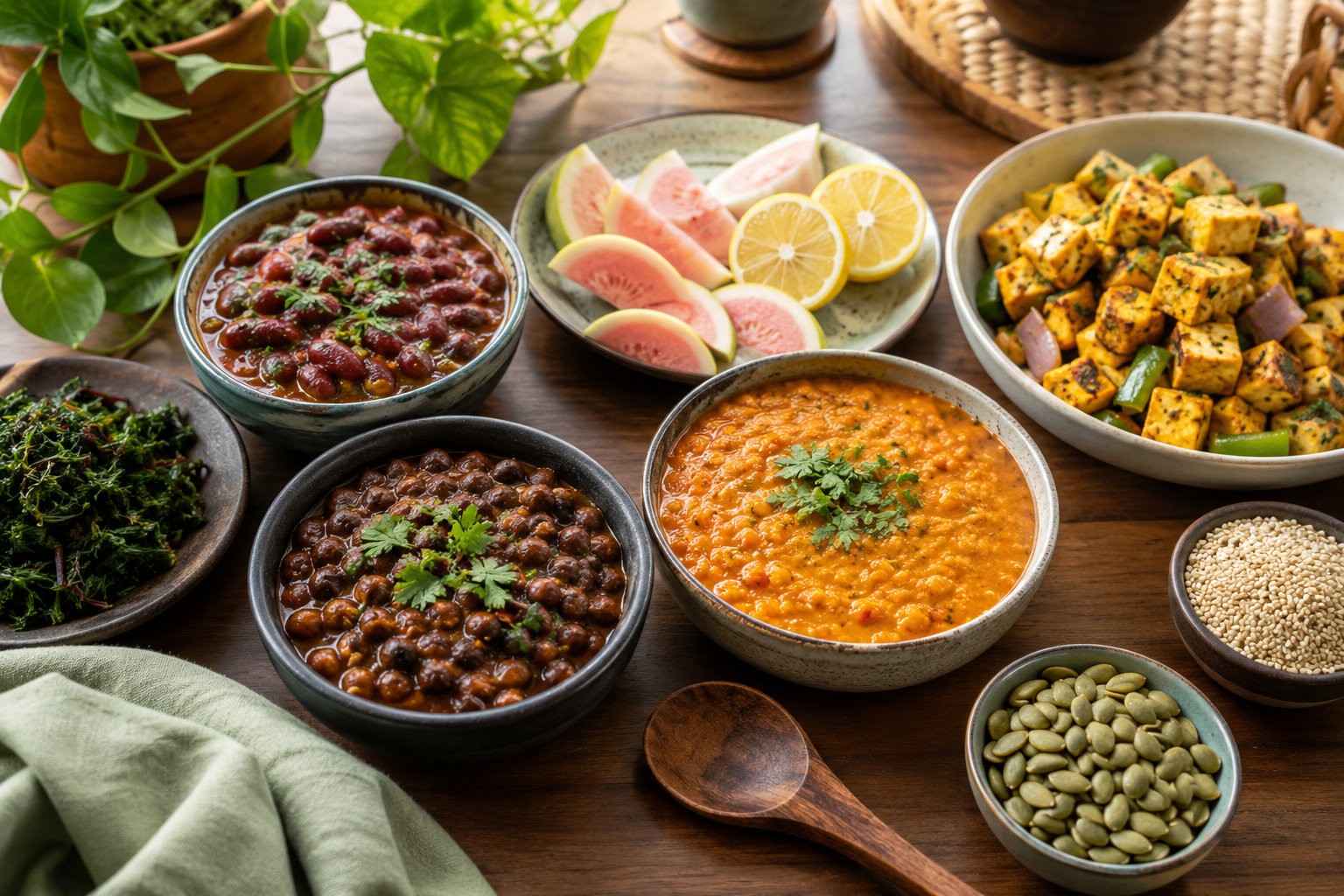
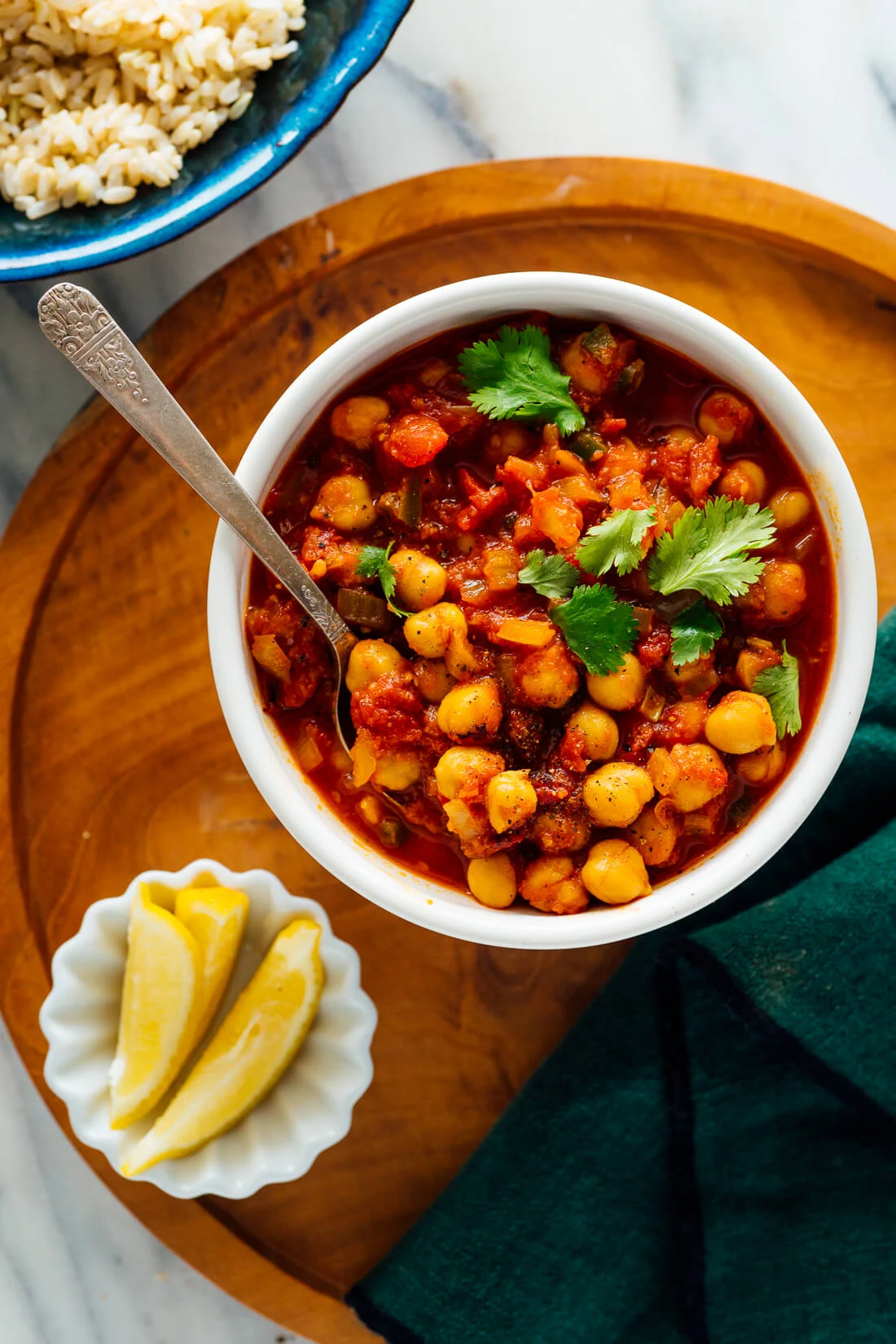
Making pulses affordable supports a transition away from dairy, eggs and meat without asking families to buy premium branded alternatives. A bowl of dal, chana, rajma or lobia can be familiar, culturally rooted and accessible.
That matters for animals. The easier it is to build satisfying meals from legumes, grains, vegetables, nuts and seeds, the less persuasive the claim that animal products are necessary for strength or tradition.

Imports can help, but they are not the whole answer
Imports can stabilise supply after a poor harvest. They can also transfer dependence to global markets, freight costs and foreign weather. A durable policy needs both responsive trade and stronger domestic production.
- Protect farmers from price crashes. Tariff changes should be predictable and paired with procurement or income safeguards.
- Invest in storage. Better warehouses and local processing can reduce loss and smooth seasonal supply.
- Support climate-resilient cropping. Extension services, seed diversity and water-smart practices can help farms manage erratic rain.
- Improve market transparency. Clear stock and price data can discourage panic and speculation.
- Put nutrition in the decision. Pulse policy should measure whether households can actually afford adequate portions.
How households can stretch pulses without shrinking nutrition
When one dal becomes expensive, rotate rather than abandon the food group. Masoor, moong, chana dal, whole chickpeas, cowpeas, dried peas, soybeans and locally available beans can play different roles.
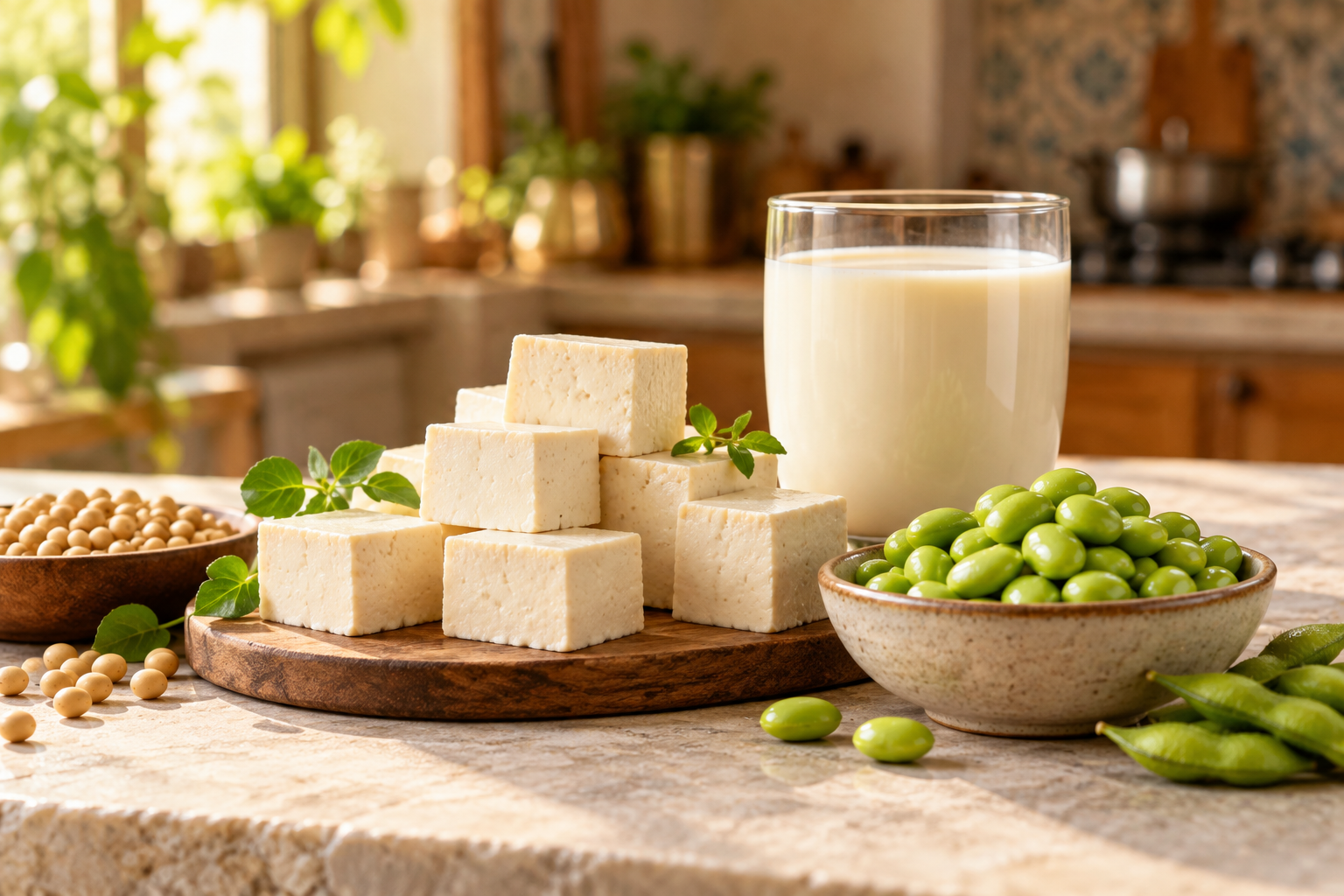
Combine smaller portions of dal with vegetables, grains and affordable protein-rich additions such as peanuts, roasted chana, besan, sattu, tofu or soya chunks. Batch-cooking and pressure-cooking can save fuel as well as time.
Buying loose staples from a trusted store may reduce packaging costs, but food safety still matters. Check for moisture, insects and unusual odours; store dry pulses in clean, sealed containers.
What not to claim
Pulses are valuable, but they do not solve every nutrition problem on their own. A vegan diet still needs variety and reliable vitamin B12 from fortified foods or a supplement. Individual needs differ by age, pregnancy, health conditions and activity level.
It is also misleading to say every pulse crop automatically has a tiny environmental footprint. Irrigation, fertiliser, transport and land management vary. The broader advantage is that legumes can support protein intake without breeding and slaughtering animals, while many also fix nitrogen and fit diverse crop rotations.
Food security can be compassionate
The immediate policy question is whether lower duties can bring pulse prices down without undermining Indian farmers. The larger question is what kind of food system public policy wants to build.
A strong answer would make nourishing plant foods affordable, reward farmers for growing them and treat climate resilience as a shared national investment. Dal should not be the food people reluctantly fall back on. It should be recognised as one of India’s most practical tools for health, resilience and kindness to animals.
Policy context checked 5 October 2026. Main image: Nitin M Nisar on Unsplash, used under the Unsplash License.


















Leave a Reply
Let us know what you think about the blog post above, we’re interested in hearing from you!