



The concept of Ahimsa, frequently interpreted as "non-violence" or "non-harm," stands as one of the most ancient and significant ethical principles in human history. Emerging from the Indian subcontinent thousands of years ago, Ahimsa serves as the ethical cornerstone for religions like Hinduism, Buddhism, and Jainism. At its essence, Ahimsa advocates for respect towards all life forms and urges individuals to refrain from inflicting suffering/harm on any living creature.
In today's society, the idea of Ahimsa is strongly reflected in the growing popularity of veganism. While veganism is usually associated with what people eat, it is really a lifestyle choice that aims to lessen the exploitation and suffering of animals. As more people become aware of issues like factory farming, animal cruelty, and environmental harm, an increasing number of individuals see veganism as a modern expression of the timeless principle of Ahimsa.
This gives birth to a significant inquiry: Is Veganism the logical progression of Ahimsa in contemporary society?
Understanding Ahimsa
The Sanskrit word Ahimsa is made up of two parts: 'a' which means not, and 'himsa' which means violence or harm. So, Ahimsa literally means 'the absence of violence.'
This idea goes beyond just not hurting someone physically. It also includes our thoughts, words, and actions. To embrace Ahimsa means to show compassion, empathy, kindness, and respect for all living things. Among Indian religions, Jainism focuses the most on Ahimsa. Jain teachings say that every living being, no matter how small or what type it is, has a soul and deserves moral care. Even tiny insects and microscopic creatures are considered worthy of protection. The Jain idea of parasparopagraho jīvānām (परस्परोपग्रहो जीवानाम्) — 'all life is connected through mutual support and interdependence' perfectly captures this view.
Hinduism and Buddhism also emphasize being kind to animals and encourage reducing harm whenever possible. Over time, these beliefs have led to vegetarianism and a deep respect for nature.
The Ethical Foundation Shared by Ahimsa and Veganism
The main connection between Ahimsa and veganism is that they both recognize animals as sentient beings who can feel pain, fear, joy, and suffering.
If it's wrong to cause unnecessary suffering, then we need to seriously look at how animals are treated in today's industries. Veganism argues that since people can thrive without eating animal products, it's wrong to make animals suffer for food, clothing, entertainment, or experiments.
This idea is very much in line with the core of Ahimsa. Both beliefs encourage people to think about the effects of their actions and to choose options that reduce harm.
Here are some similarities:
1. Respect for Life
Ahimsa teaches that all life has equal value, and no life is less important than another. In the same way, veganism rejects the notion that animals are just resources for humans to use.
2. Compassion and Empathy
Both ideas motivate people to expand their compassion beyond just humans and to recognize the feelings and suffering of animals, treating them with care and understanding that they experience pain just like we do.
3. Moral Responsibility
Ahimsa and veganism both highlight the need for personal responsibility. Every purchase, meal, and lifestyle choice is a chance to either reduce or add to suffering.
4. Interconnectedness
The ancient teachings of Ahimsa show how all living beings are connected. Modern veganism reflects this understanding by focusing on the relationships between animal welfare, human health, environmental sustainability, and social justice.
The Dairy Question: Where Tradition and Modern Veganism Diverge
Even though there are strong philosophical similarities, there is a clear difference between traditional ideas of Ahimsa and modern veganism: the use of dairy.
In earlier times, many Hindu and Jain communities included milk and dairy in their meals. Cows were considered sacred, and milk was seen as a pure and non-violent food source. Dairy products like milk, yogurt, and ghee became important in religious ceremonies and cultural practices.
However, today's animal welfare advocates argue that dairy production now is very different from the traditional farming methods of the past.
Nowadays, industrial dairy farming usually involves:
- Regular artificial insemination of cows.
- Separating calves from their mothers soon after birth.
- Confinement and intensive farming methods.
- Slaughtering male calves and cows when they are no longer profitable.
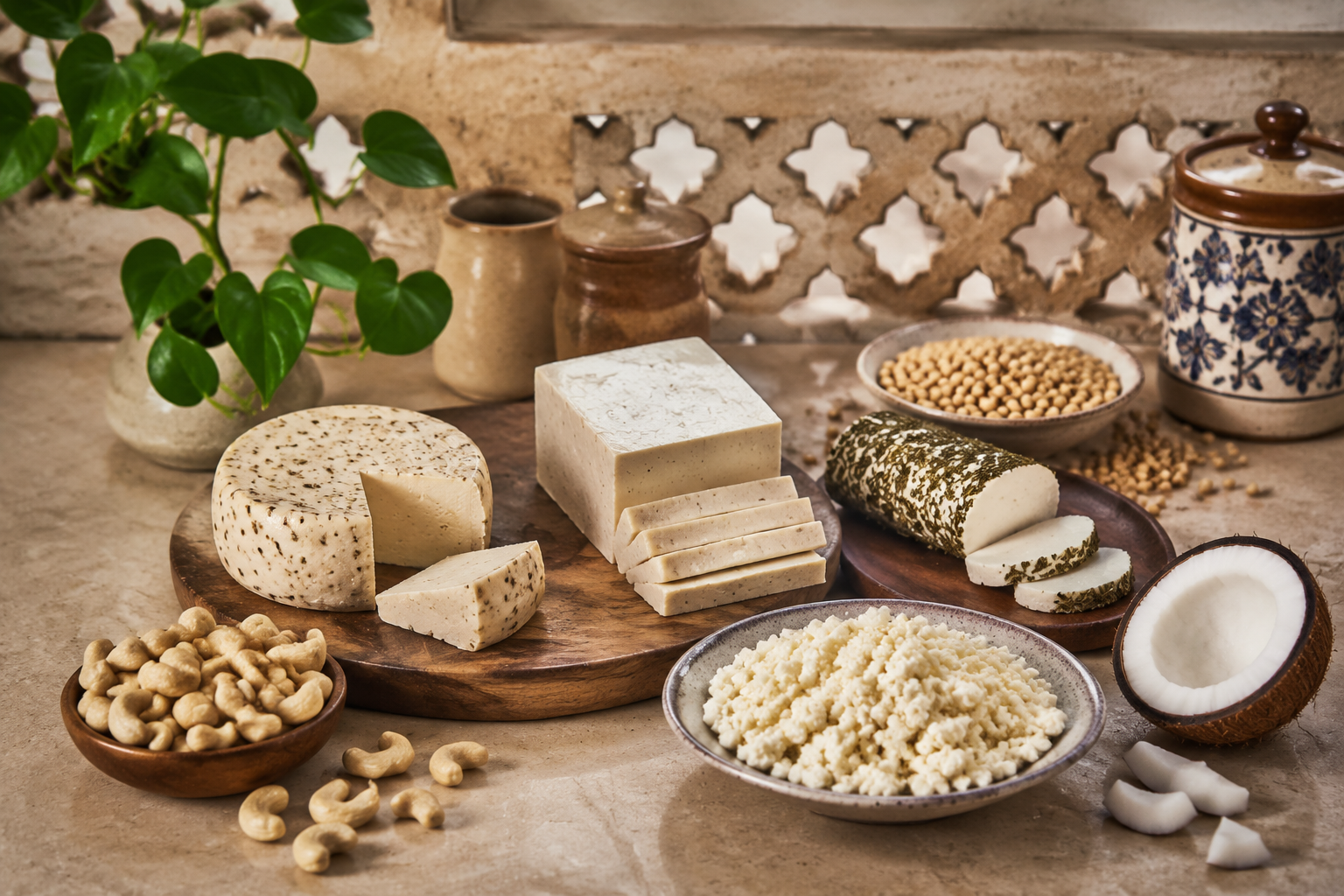
Because these practices cause a lot of suffering to the animals, many scholars and activists believe that consuming dairy from these systems goes against the true meaning of Ahimsa. They argue that if the goal is to avoid violence, then plant-based alternatives like soy, oat, almond, and coconut milk are better choices for reducing harm.
Ahimsa Beyond Food
The connection between Ahimsa and veganism extends far beyond just our diet.
A real commitment to non-violence encourages people to think about every part of their lives, including:
Clothing
Many vegans encourage avoiding leather, fur, wool, silk, and other animal-derived materials, as their production often causes animal suffering.
Cosmetics and Household Products
Many animals are used in product testing around the world, leading to prolonged suffering and death due to harmful chemicals. Vegan consumers often choose cruelty-free products that are not tested on animals.
Entertainment
Practitioners of Ahimsa often steer clear of entertainment forms that exploit animals, including certain circuses, animal fights, or attractions that confine wild animals.
Environmental Stewardship
Contemporary factory farming plays a major role in deforestation, greenhouse gas emissions, water pollution, and the loss of biodiversity. By decreasing the demand for animal products, veganism can mitigate environmental harm and promote a more sustainable future.
In this regard, Ahimsa encompasses not just the protection of animals but also the reduction of harm to ecosystems, future generations, and the planet as a whole.
Veganism as a Modern Ethical Philosophy
Recently, ethical veganism has become more than just a way of eating; it is now seen as a complete moral philosophy. Legal and academic discussions are starting to recognize veganism as a strong ethical belief that affects many parts of a person's life, including what they eat, what they buy, and how they think about the environment.
This recognition is similar to what makes Ahimsa so powerful: both are ethical guides that help people make daily choices and encourage them to live according to their values.
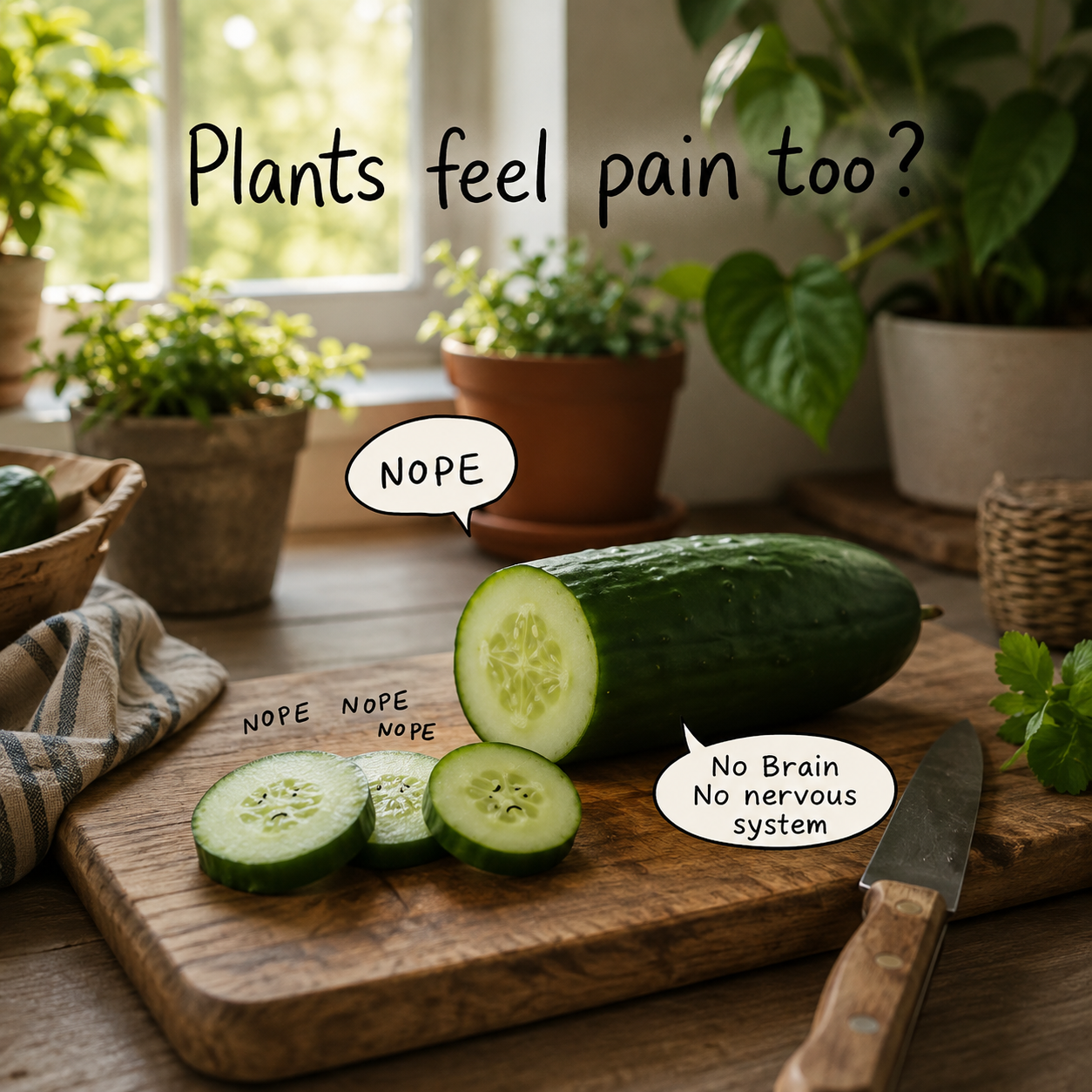
Even though there is an interesting link between Ahimsa and veganism, there are still some challenges. Critics argue that it is impossible to be completely non-violent because all human actions impact living beings in some way. For example, farming can unintentionally harm insects and small animals. Some people also believe that traditional dairy farming, when done ethically and respectfully, can still fit with the ideas of Ahimsa. Additionally, cultural, economic, and geographical factors can affect how easily someone can adopt a vegan lifestyle.
These points show that we should view Ahimsa not as a demand for perfection but as a commitment to reduce unnecessary harm whenever we can.
Conclusion
Ahimsa and veganism are closely linked because they both focus on kindness, respect for life, and reducing suffering. Even though these old traditions started in very different times and places, their main ethical ideas are still very relevant today.
As we learn more about how animals think, the problems with industrial farming, and environmental issues, many people see veganism as a modern and practical way to practice Ahimsa. No matter if someone looks at this topic from a religious, philosophical, environmental, or ethical view, both Ahimsa and veganism encourage a more caring relationship with animals and the environment around us.
Veganism is one of the most important modern ways to interpret Ahimsa. The wise people from ancient times who promoted non-violence could never have imagined the scale of today's industrial animal farming, where billions of animals are raised, kept in small spaces, and killed each year to meet human food needs.
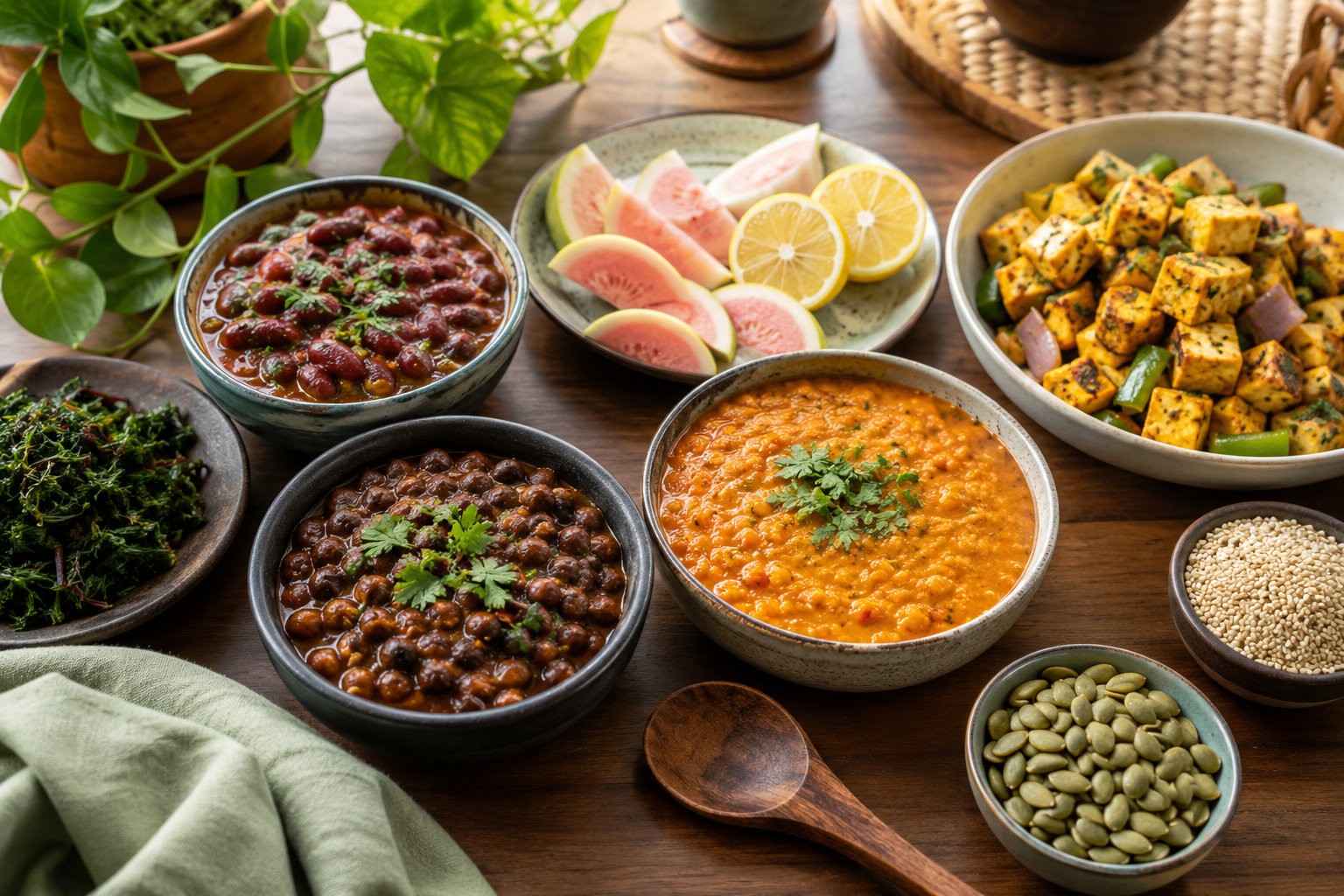
If Ahimsa tells us not to cause unnecessary suffering, it's hard to ignore the tough truths about modern factory farming. While older cultures might have used dairy and other animal products in very different situations, the ethical views have changed a lot. Today, most people can find healthy plant-based foods that allow them to meet their dietary needs without supporting animal cruelty.
At the same time, Ahimsa shouldn't be used to judge or criticize others. True non-violence includes kindness towards all people too. Encouraging change through teaching, understanding, and empathy is much more effective than using criticism or anger.
In conclusion, Ahimsa is more than just an old religious belief; it is a lasting guide for living ethically. Veganism, while not the only way to show compassion, is one of the most significant ways to do so.
AUTHOR: - RAVINANDAN BAJPAI
B.B.A. LL. B(HONS.),
School of Law, University of Mumbai















Leave a Reply
Let us know what you think about the blog post above, we’re interested in hearing from you!