


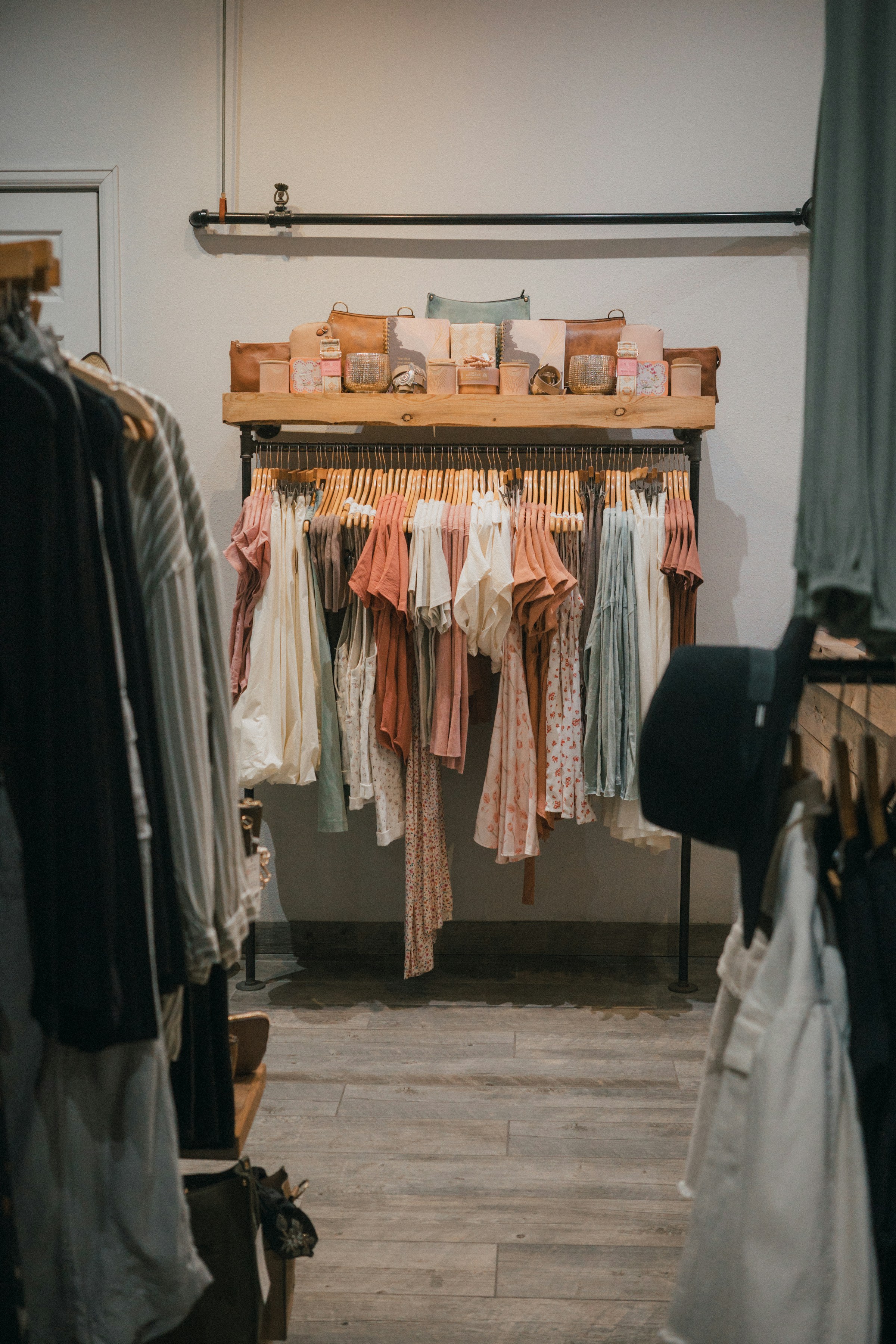
Stella McCartney’s latest Paris runway made an unusually direct material statement: the show used no wool and carried the message “sea life, not sea food”. The collection, reported on 30 September 2026, put animal-free innovation and ocean protection beside luxury fashion rather than treating them as a niche concern.
That does not make the entire brand vegan, and it does not erase the environmental trade-offs of every alternative fabric. It does show that a global fashion house can make animal protection part of the design brief—not an afterthought.
Why zero wool is significant
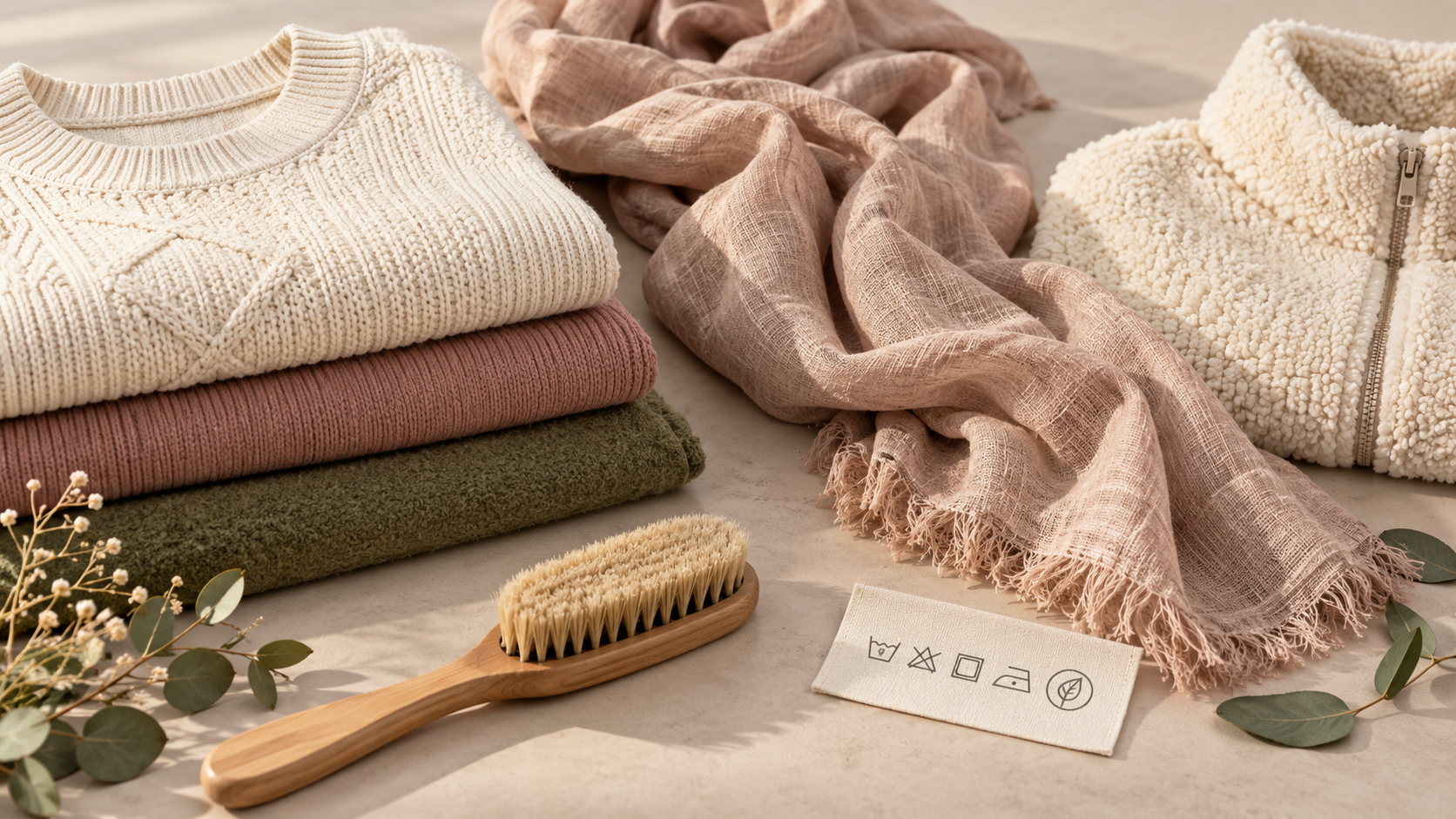
Wool is often marketed as natural, traditional and biodegradable. Those words do not answer the ethical question. Sheep are bred, handled and shorn within a commercial system, and the fibre is part of animal agriculture.
A zero-wool runway proves that warmth, drape and tailoring do not depend on taking fleece from animals. McCartney’s show included Brewed Protein, a lab-developed material from Japanese company Spiber, alongside other non-wool fabrics.
If you are weighing claims in a shop, our guide to whether wool is vegan explains why “cruelty-free wool” and “vegan” are not interchangeable.
What “animal-free” should mean
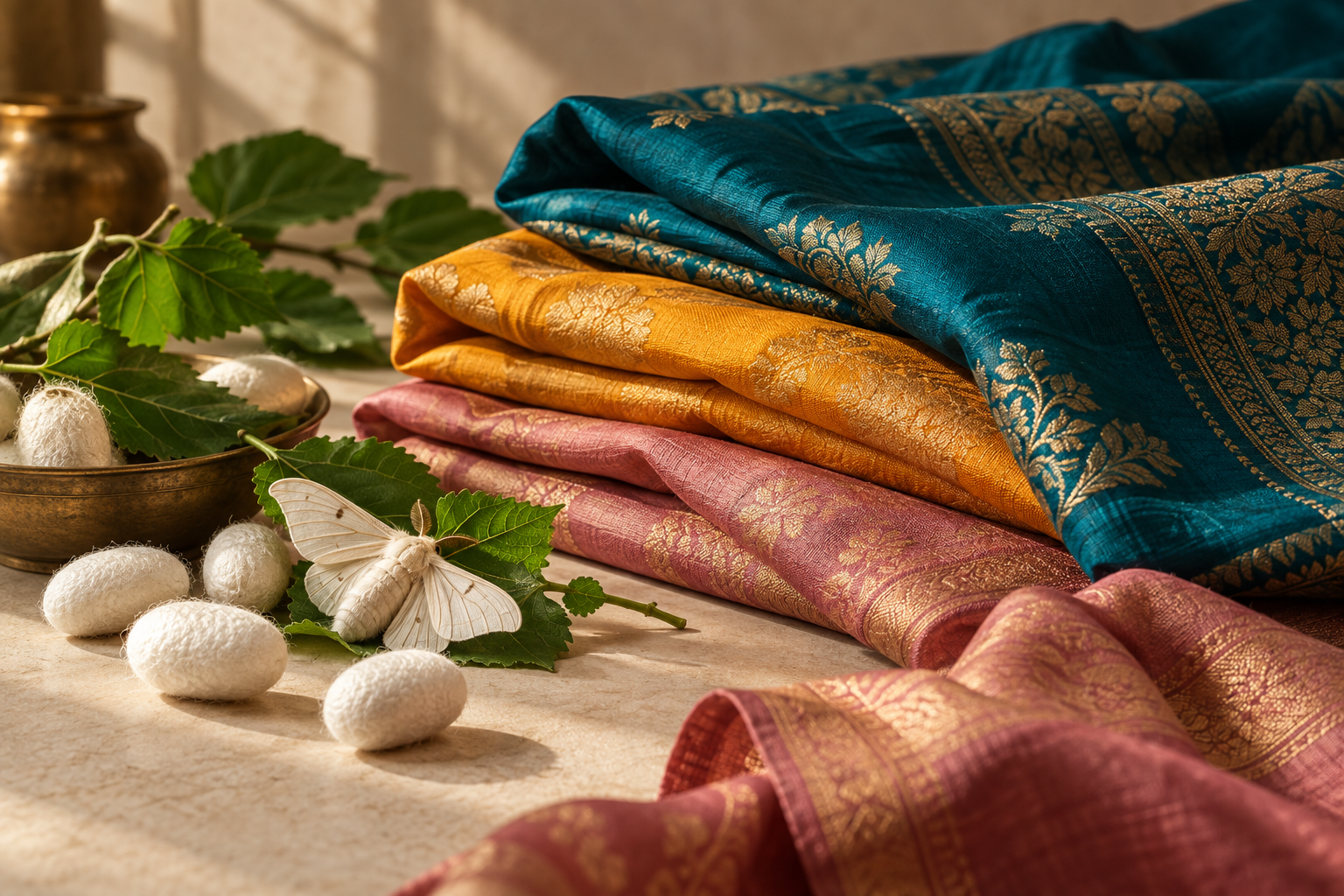
A garment can avoid leather and fur yet still contain wool, silk, feathers, shell buttons, beeswax finishes or animal-derived glues. A trustworthy animal-free claim should cover the complete product, including trims, linings and adhesives.
It is also worth distinguishing between a specific collection and an entire company. The Guardian’s report described this runway as zero-wool. Shoppers should not infer that every item sold under the label is automatically vegan.
Innovation is welcome, but evidence still matters
Next-generation materials can reduce reliance on animals and expand designers’ choices. Fermentation-made proteins, plant fibres, recycled textiles and agricultural-waste composites all have potential.
No material is impact-free. Energy use, chemical processing, shedding, durability, repairability and end-of-life options matter. A new fibre deserves enthusiasm when the animal-free claim is clear and the environmental data can withstand scrutiny.

Why the ocean message belongs in fashion
“Sea life, not sea food” connects clothing with a wider ethic: marine animals are not objects or ingredients. Fishing also affects non-target species, seabeds and discarded gear. A runway cannot solve those systems, but culture shapes what people see as normal and desirable.
Fashion is especially powerful because it turns values into visible identity. When a luxury show presents animal-free materials as beautiful rather than sacrificial, it helps move compassion from the margins into the mainstream.
A practical shopping checklist in India
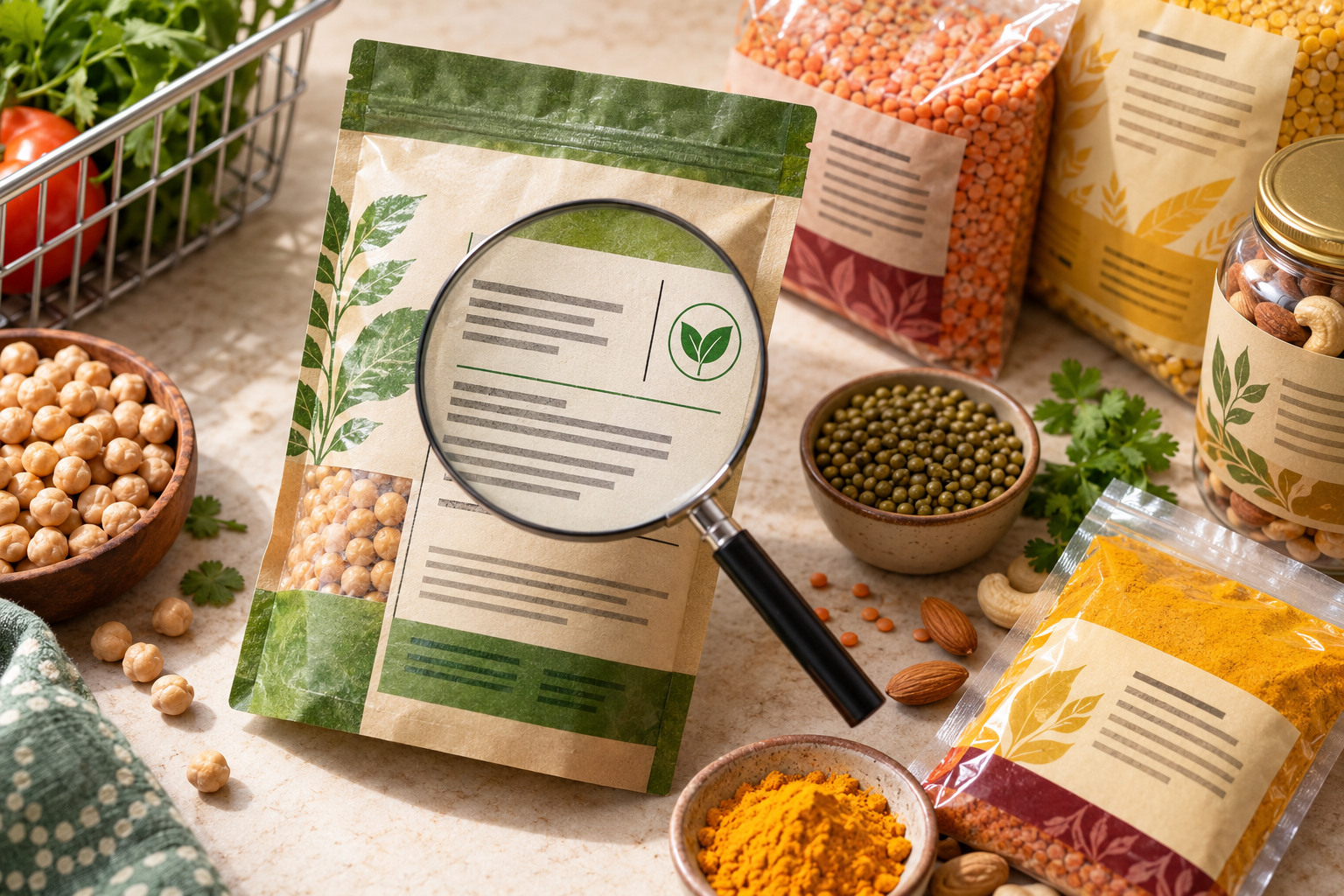
- Read the composition label. Watch for wool, cashmere, mohair, alpaca, silk, leather, suede, down, feathers and shell.
- Ask about hidden parts. Glues, interlinings, coatings and trims may not appear in the headline material description.
- Prefer durable construction. A garment that lasts, repairs and gets worn often is usually a better purchase than a short-lived trend.
- Choose the best available alternative. Recycled synthetics can be practical; cotton, hemp and linen have different water and land profiles; newer materials vary in availability and evidence.
- Buy less and use longer. Second-hand animal-free items, alterations and clothing swaps can reduce demand for new production.
For bags and shoes, see our guide to vegan leather in India, including PU, cactus and cork options.
What brands can learn from the runway
First, set a clear boundary. “No fur” is not the same as no animal-derived materials. Second, make innovation visible without vague green language. Name the material, supplier and evidence.
Third, design for desirability. Ethical fashion succeeds when people want to wear it, repair it and keep it. Compassion should improve the creative brief, not flatten it.
The bigger cultural shift
Animal-free fashion is not about finding a perfect fabric and declaring the work finished. It is about rejecting the assumption that animals are raw materials, then improving alternatives with the same seriousness the industry once devoted to leather, silk and wool.
McCartney’s zero-wool show is one useful signal of that shift. The next test is whether more brands turn a runway message into transparent sourcing, better design and products ordinary shoppers can access.
Fashion news checked 4 October 2026. Main image: Tyler Davis on Unsplash, used under the Unsplash License.
























Leave a Reply
Let us know what you think about the blog post above, we’re interested in hearing from you!