

“Animal protein boosts testosterone” and “too much animal protein crashes testosterone” are both popular claims. Neither is a reliable summary of the research.
Testosterone is influenced by age, sleep, energy intake, body composition, illness, medicines, alcohol, training load and overall dietary pattern. Isolating one nutrient source and treating it as the master switch makes a complex endocrine system sound far simpler than it is.
The short answer
There is no good evidence that animal protein, simply because it comes from an animal, reliably lowers testosterone. There is also no requirement to eat animal protein to maintain normal testosterone.
What some studies do suggest is that extreme diets—particularly very high-protein, low-carbohydrate regimes—may reduce resting testosterone in some men. That is a question about macronutrient balance and energy availability, not proof that lentils are hormonally weak or meat is hormonally essential.
What the systematic review found
A 2022 systematic review and meta-analysis compared low-carbohydrate with higher-carbohydrate diets in healthy men. It found that moderate-protein low-carbohydrate diets did not show a consistent long-term effect on resting total testosterone. However, short-term high-protein low-carbohydrate diets were associated with a substantial decrease in resting total testosterone in the included studies. Read the full review.
The authors also reported higher cortisol in the first weeks of low-carbohydrate diets. The evidence base was limited, definitions varied and the result should not be turned into a universal rule.
Protein source and protein amount are different questions
A diet can be high in animal protein, high in plant protein or high in both. It can also be adequate in protein while providing enough carbohydrate and fat. When people confuse source with amount, they often make claims that the study never tested.
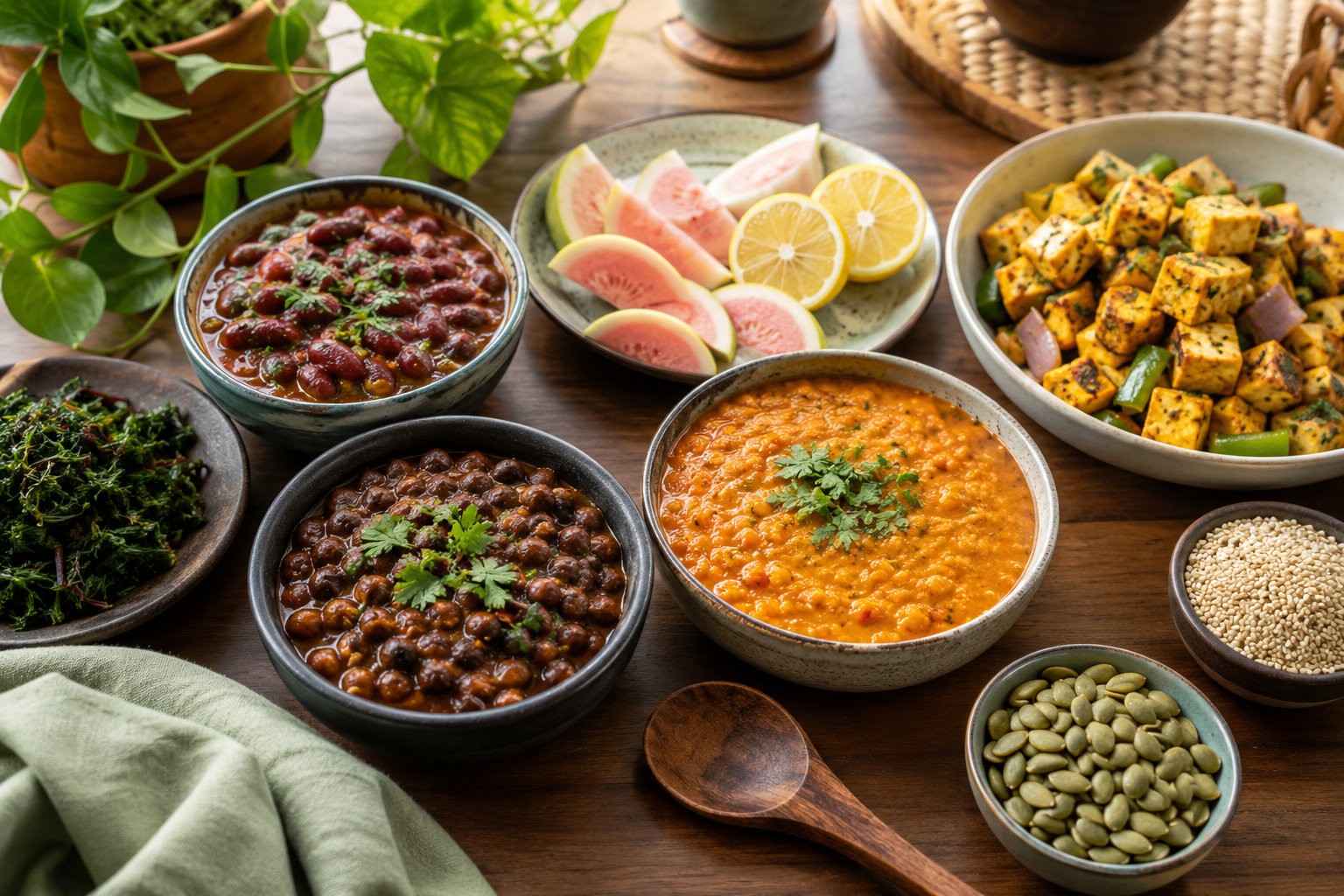
Plant proteins provide the amino acids the body needs. Soy is a complete protein, while eating a varied diet of dals, beans, chickpeas, grains, nuts and seeds readily supplies complementary amino acids across the day.
Does soy lower testosterone?
No convincing clinical evidence supports that claim. A separate meta-analysis of 41 clinical studies found no significant effect of soy protein or isoflavones on total testosterone, free testosterone or measured oestrogens in men. See the PubMed record.
This matters because soy is often singled out while dairy and meat are promoted as inherently masculine. The hormone story does not support that cultural marketing.
What matters more for hormonal health?
- Adequate energy: severe calorie restriction and low energy availability can disrupt reproductive hormones.
- Enough dietary fat: very low-fat diets may not suit everyone, and fat is involved in steroid-hormone physiology.
- Sleep: persistent sleep loss can affect testosterone and overall metabolic health.
- Resistance training and recovery: training can support health, while chronic overtraining without recovery can work against it.
- Alcohol: heavy regular intake can harm reproductive and general health.
- Medical care: symptoms of low testosterone require proper assessment, not a supplement or a carnivore influencer.
Can vegans build muscle?
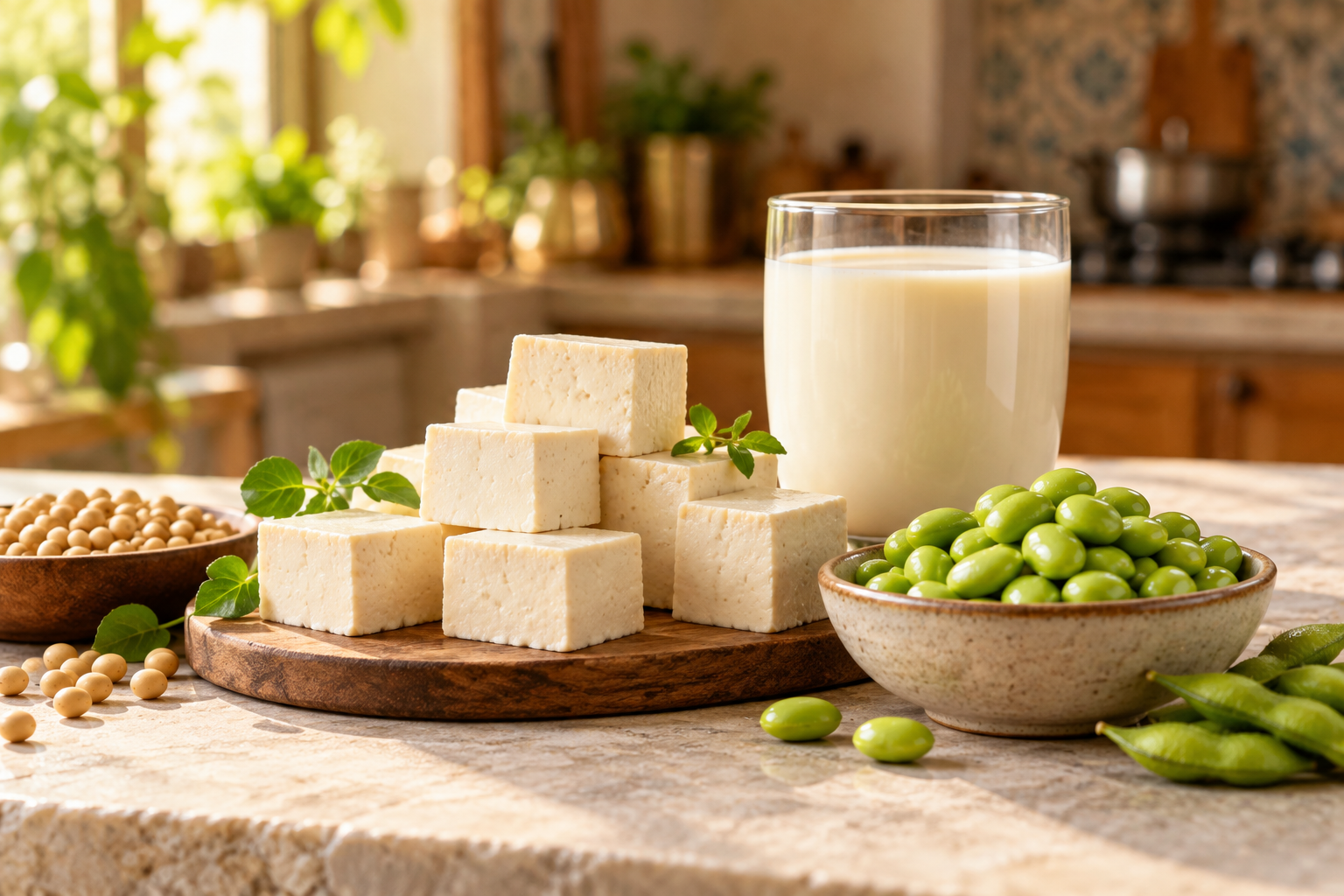
Yes. Muscle gain depends on progressive training, sufficient energy and enough total protein. Some plant proteins contain less leucine per gram or are less digestible than some animal proteins, so active people may benefit from slightly larger portions, protein-rich meals and a deliberate mix of tofu, tempeh, soy milk, dals, beans, seitan and pea or soy protein when convenient.
That is a planning question, not a reason to involve animals.
A practical Indian vegan protein pattern
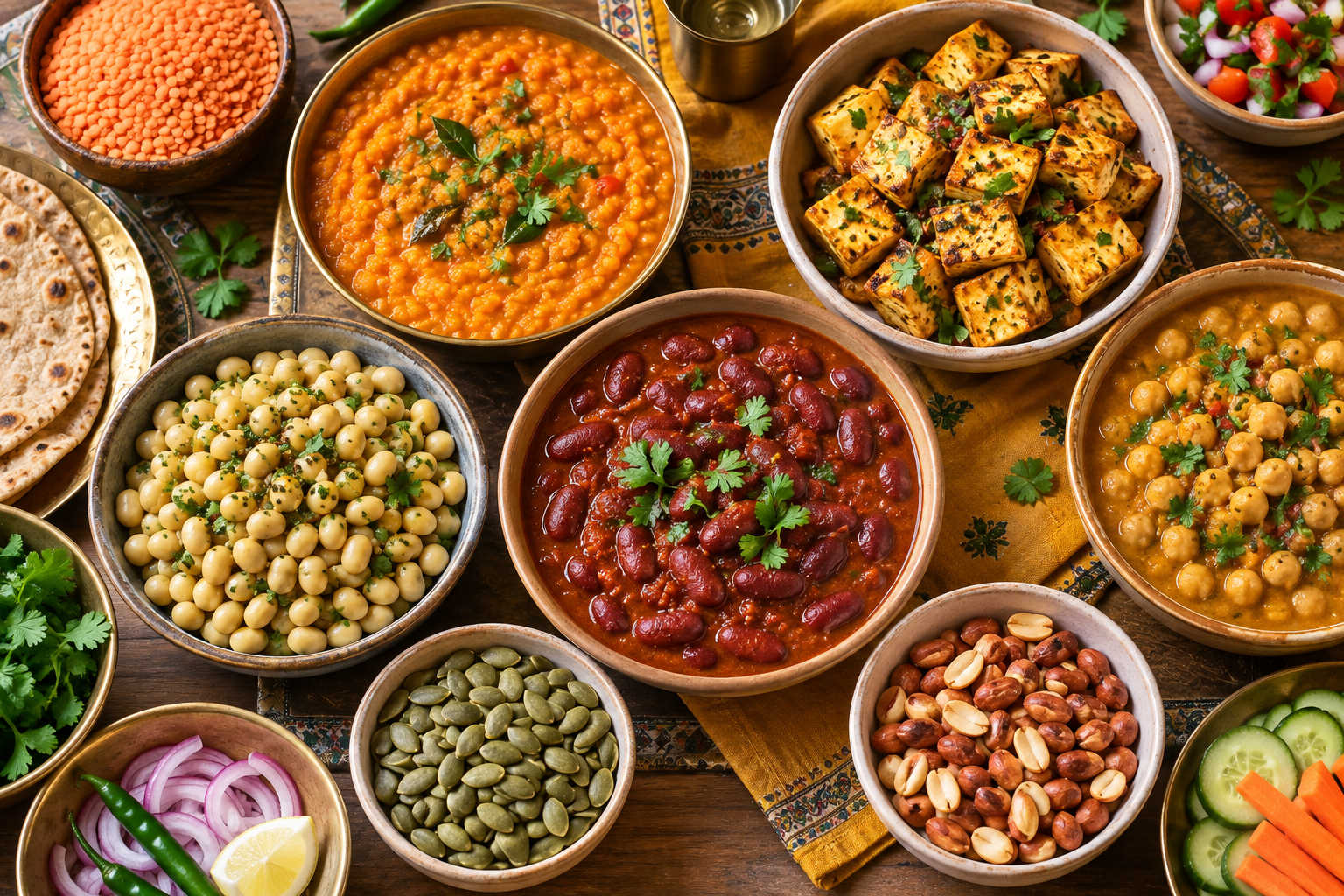
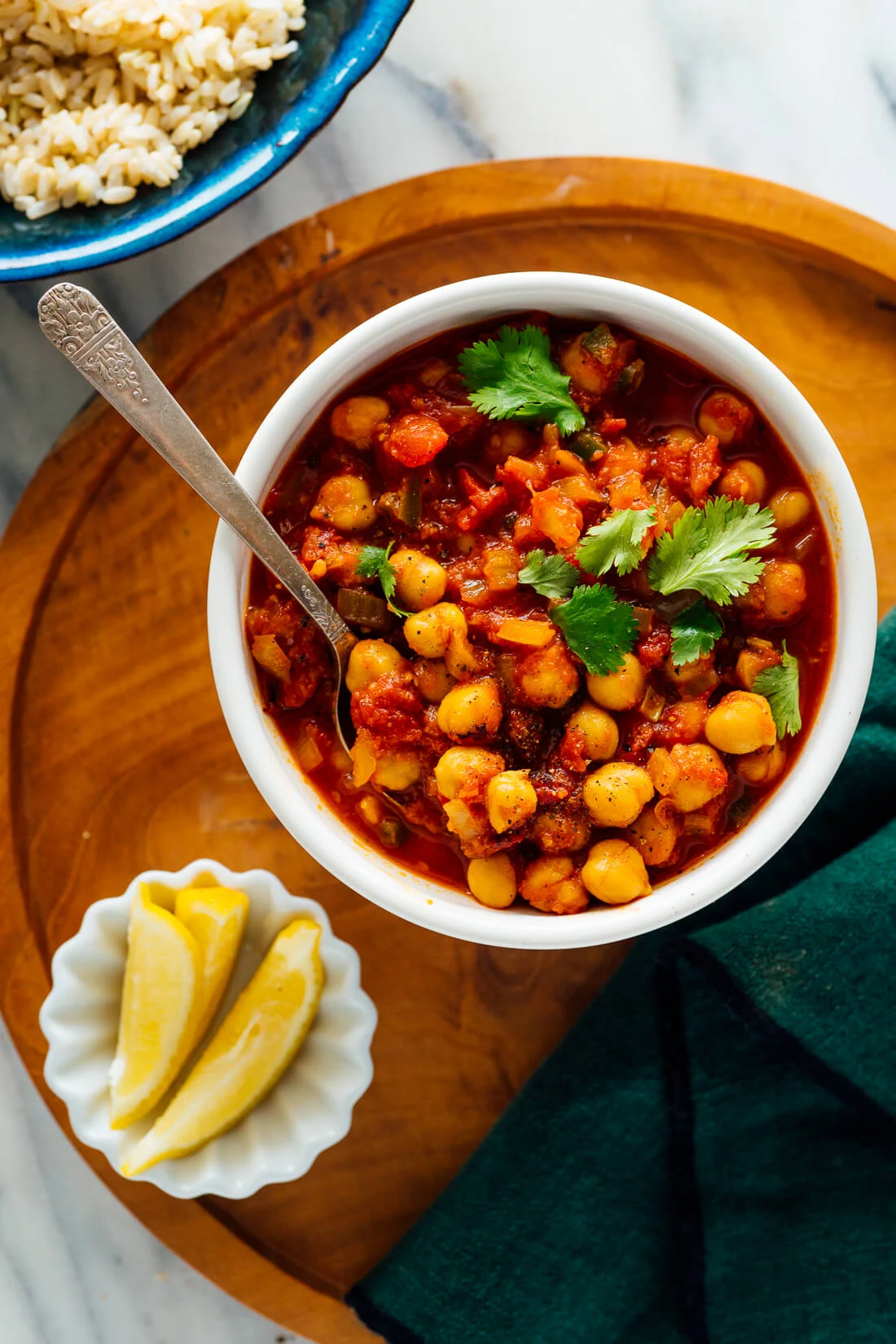
Breakfast might include besan chilla with tofu filling or oats made with fortified soy milk. Lunch can pair dal or rajma with rice or roti and vegetables. Snacks can include roasted chana, peanuts or soy yoghurt. Dinner might use tofu tikka, chole, tempeh or a mixed-dal khichdi.
The Harvard Nutrition Source emphasises that protein comes in a food “package”. Pulses, nuts and seeds bring fibre and unsaturated fats without cholesterol.
The bottom line
Do not build your diet around a testosterone panic. Animal protein is neither a proven testosterone cure nor automatically a testosterone poison. The clearer concern is an extreme, poorly balanced diet—especially one that cuts carbohydrates while pushing protein very high.
A varied vegan diet can provide ample protein for health, training and muscle. If you have symptoms such as persistent fatigue, reduced libido or fertility concerns, seek qualified medical assessment rather than self-diagnosing from social media.











Leave a Reply
Let us know what you think about the blog post above, we’re interested in hearing from you!