
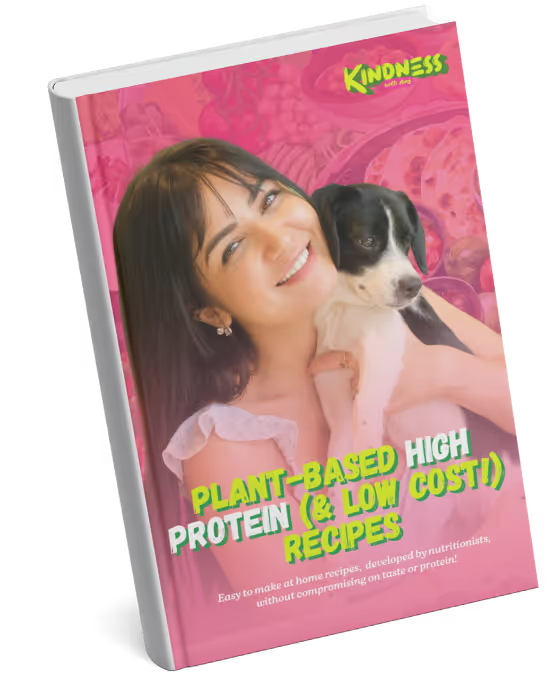


Yes—children can grow well on a vegan diet, but “vegan” is not a nutrition plan by itself. A child living on plain rice, biscuits and a little sabzi is technically eating plant-based and may still miss energy, protein and key micronutrients. The goal is a varied, age-appropriate diet with reliable vitamin B12 and professional guidance where needed.
The British Dietetic Association says carefully planned plant-based diets can support healthy living across life stages. At the same time, reviews of children’s diets show that poor planning can increase the risk of low B12, iron, calcium, vitamin D, iodine and energy intake. Both parts of that message matter.
Start with enough energy
Young children have small stomachs and high energy needs. Very bulky, low-fat meals can fill them before they have eaten enough calories. Alongside fruits and vegetables, include energy-dense foods such as nut or seed paste, tofu, soy yoghurt, avocado, ground sesame, peanut, coconut and appropriate oils.
Keep choking safety in mind: whole nuts are not suitable for young children. Use smooth nut butters or finely ground nuts and seeds in age-appropriate textures.
Build protein across the day
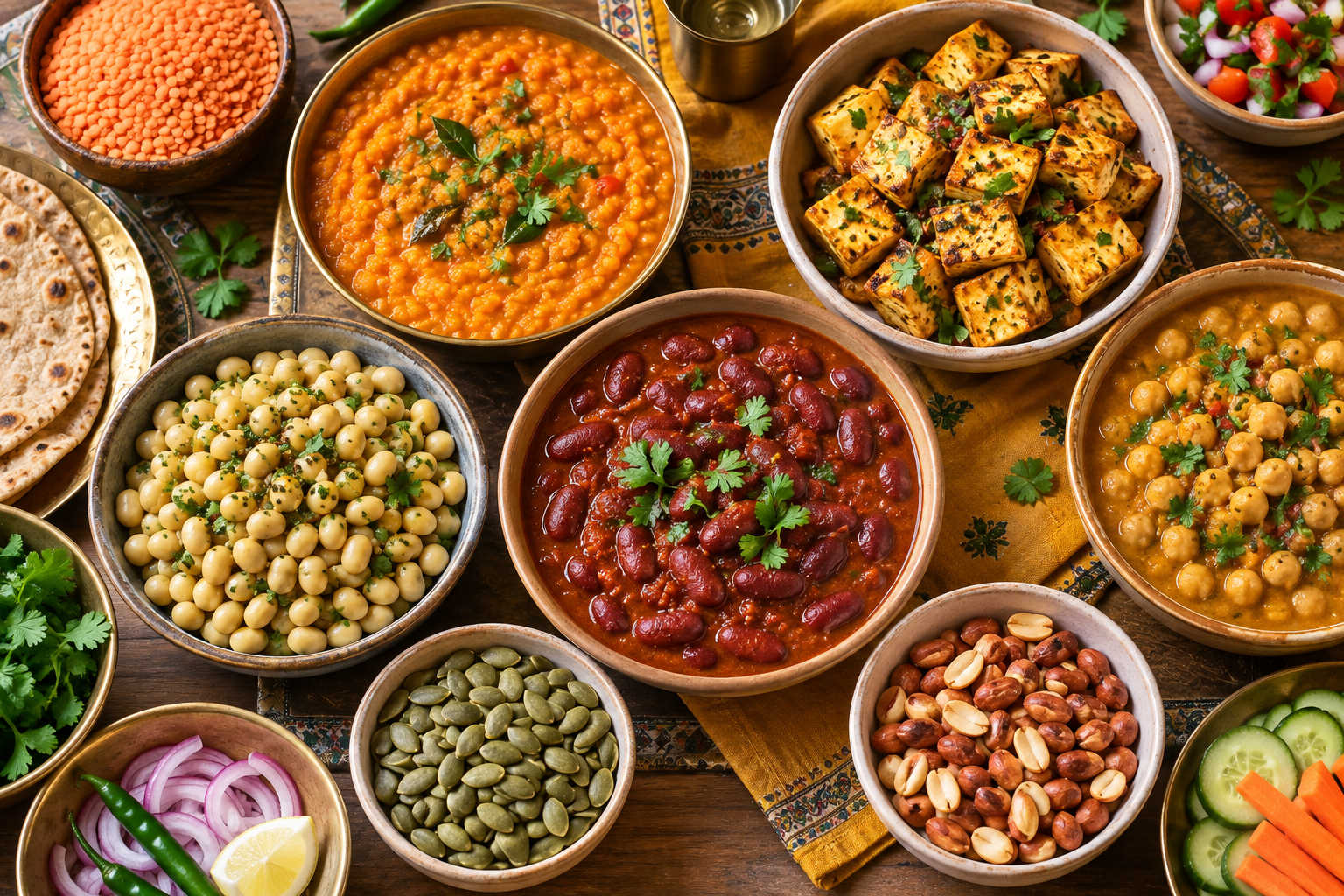
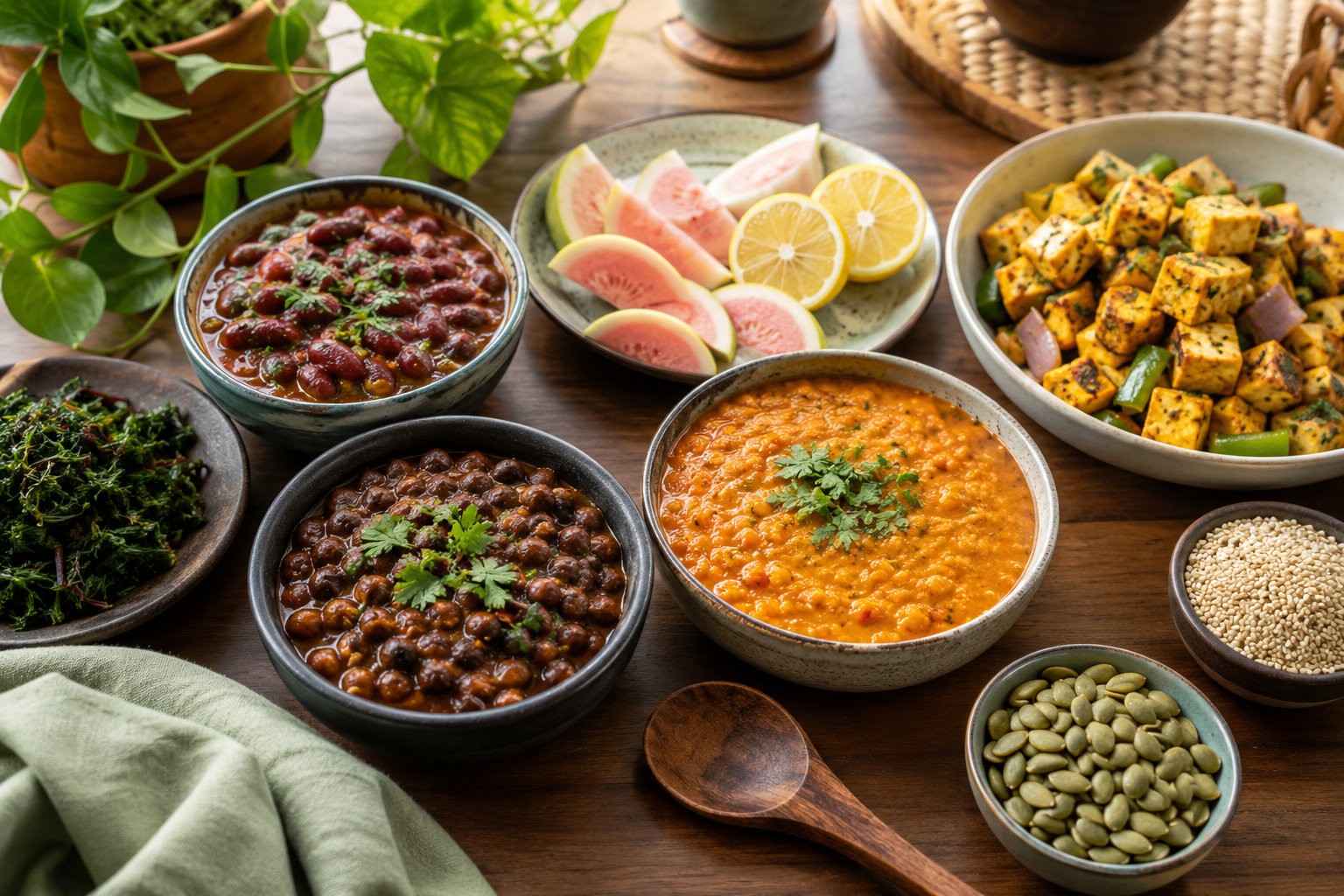
Useful Indian staples include dal, chana, rajma, lobia, soybeans, tofu, soy chunks, besan, peas, peanuts and other nuts and seeds. Pairing cereals and pulses across meals—such as rice with dal, roti with chana, or idli with sambar—provides a strong amino-acid mix.
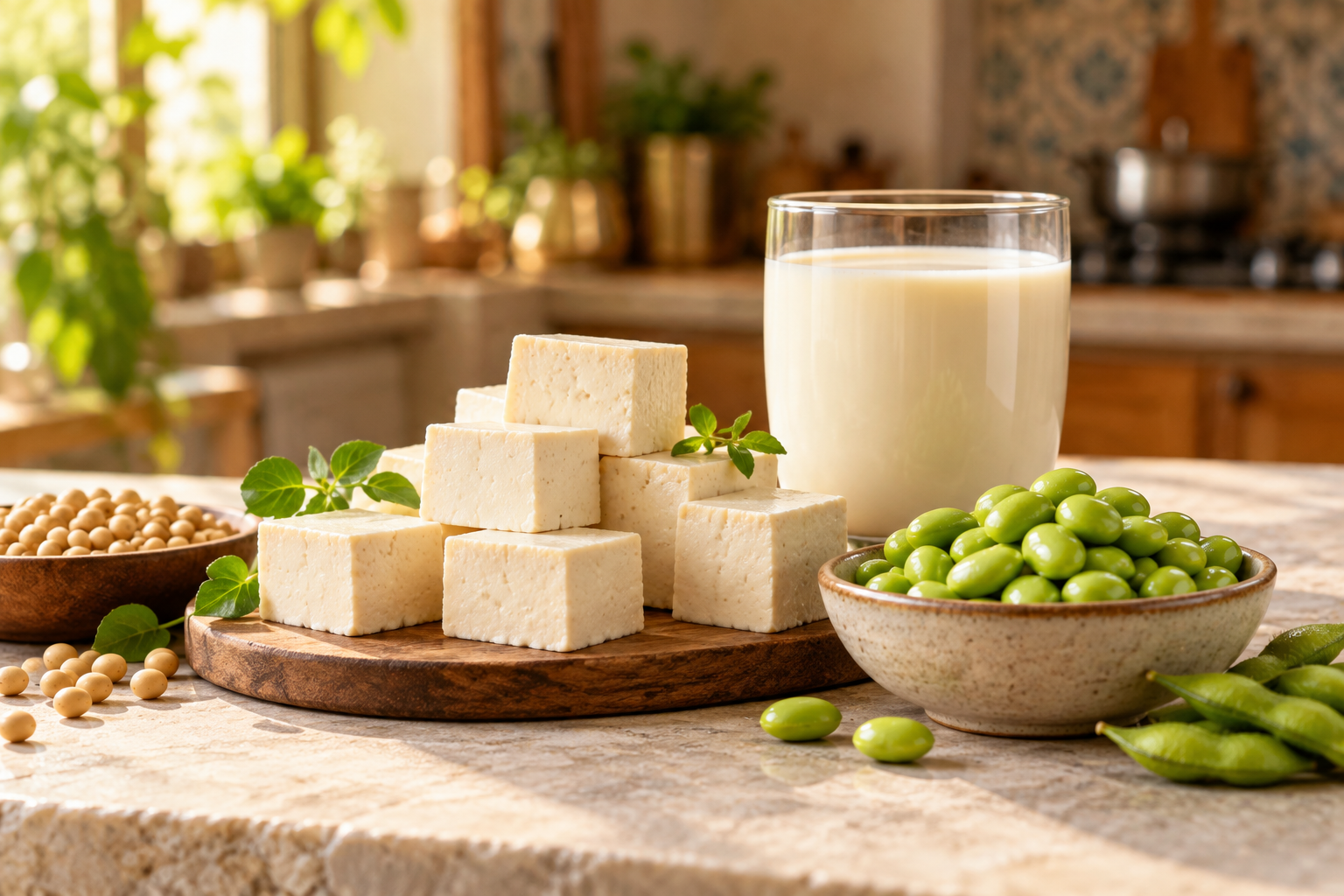
Children do not need animal protein to obtain all essential amino acids. They do need enough total food and regular protein-rich choices. Soy foods are especially useful because they are protein-dense and versatile.
Vitamin B12 is non-negotiable
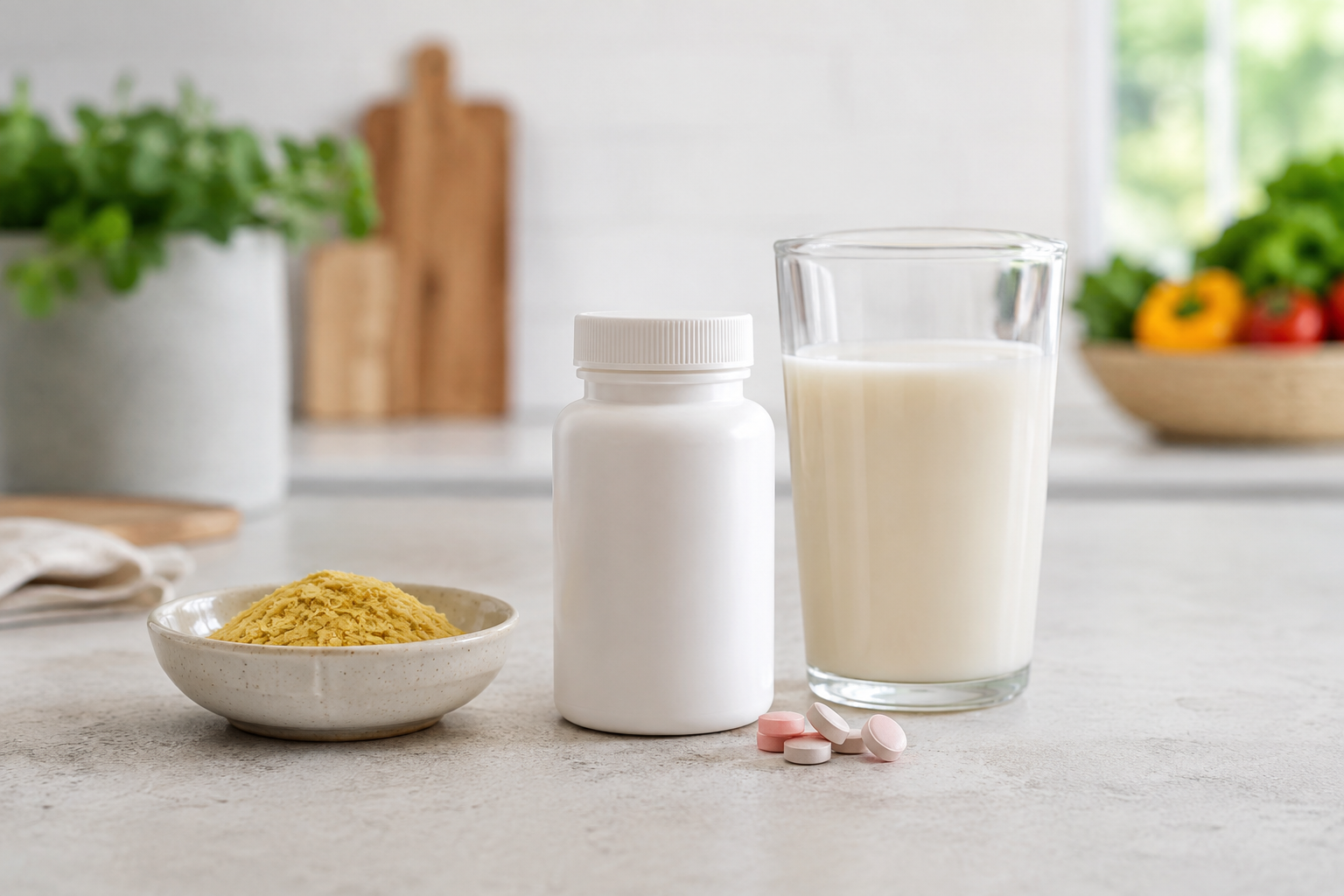
There is no dependable unfortified plant source of vitamin B12. A vegan child needs a reliable source from an age-appropriate supplement or consistently fortified foods, with the dose agreed with a paediatrician or qualified dietitian. Do not rely on spirulina, fermented foods or unverified “natural” powders.
The NHS vegan diet guidance also highlights B12, calcium, vitamin D, iron and omega-3 as nutrients that require attention.

The nutrients parents should actively plan
- Iron: dal, beans, soy, sesame and iron-fortified foods. Serve with vitamin C-rich amla, guava, citrus, tomatoes or capsicum, and keep tea away from meals.
- Calcium: calcium-set tofu, ragi, sesame, beans, suitable greens and fortified unsweetened plant milk. Our India-focused calcium guide has practical meal ideas.
- Vitamin D: sunlight exposure varies by skin, season and lifestyle; many children need supplementation based on clinical advice.
- Iodine: use iodised salt in appropriate quantities. Seaweed can contain unpredictable amounts and is not a safe dosing strategy for children.
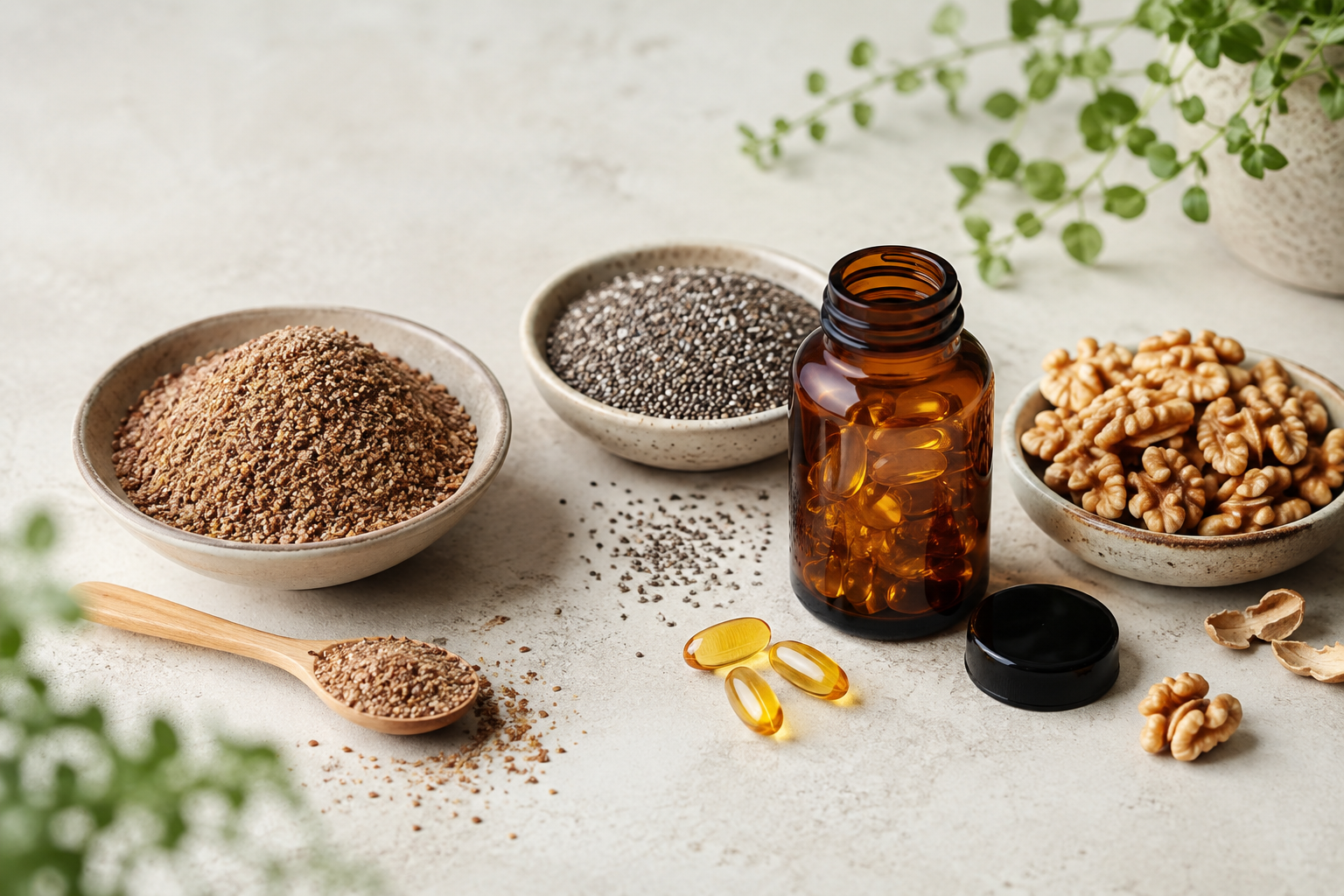
- Omega-3: ground flax, chia and walnuts provide ALA. Ask a clinician whether an algae-derived DHA supplement is appropriate.
- Zinc: pulses, tofu, nuts, seeds and whole grains contribute; soaking, sprouting and fermentation can improve mineral availability.
What about plant milk?
Plant drinks are not nutritionally interchangeable. For older children, unsweetened fortified soy milk is often the closest everyday option to dairy in protein. Almond, rice, coconut and oat drinks may be much lower in protein unless specially formulated.
For babies, ordinary plant milk must not replace breast milk or an appropriate infant formula. Feeding in infancy and under two is highly individual and should be planned with a paediatrician or paediatric dietitian.
An India-friendly day
- Breakfast: besan chilla with vegetables and a little ground sesame, plus fruit.
- Lunch: rice or roti, dal or rajma, a cooked vegetable and lemon.
- Snack: fortified soy yoghurt, fruit, or peanut butter on toast in an age-safe texture.
- Dinner: tofu bhurji, khichdi with soy or dal, or idli with thick sambar.
Children need variety, not perfection at every meal. Look at the pattern across the day and week.
Monitor growth, not internet arguments
Regular height and weight checks matter. Seek professional review if growth slows, eating becomes very restricted, there is persistent fatigue, pallor, developmental concern, digestive disease or uncertainty about supplements.
India’s ICMR–NIN Dietary Guidelines for Indians emphasise varied diets and nutrient-dense foods for children. A vegan version of that principle is entirely possible, but it must replace animal foods with nutritionally meaningful plant foods—not simply remove them.
The bottom line
A well-planned vegan diet can support a child’s growth. The essentials are enough energy, varied protein-rich foods, a reliable B12 source, attention to iron, calcium, vitamin D, iodine and omega-3, plus qualified guidance for infancy or any medical concern. Compassion and nutritional responsibility belong together.











Leave a Reply
Let us know what you think about the blog post above, we’re interested in hearing from you!