


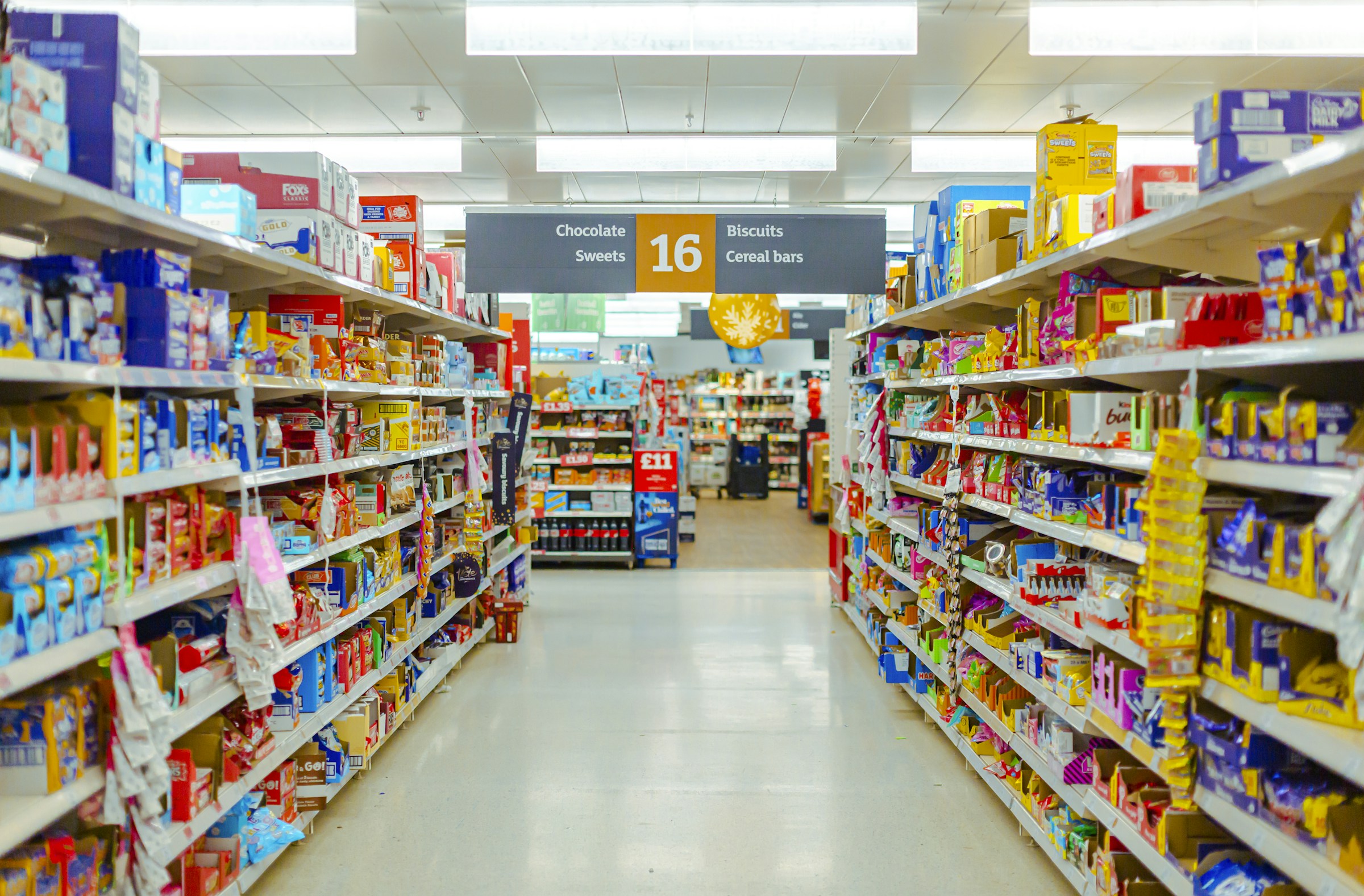
India may soon make the front of packaged foods much harder to ignore. On 28 September 2026, the Supreme Court questioned why the government wanted another consultation period and a further year before implementing prominent warnings for products high in sugar, salt or fat.
The proposal matters to vegan shoppers because “vegan” and “healthy” answer different questions. A plant-based biscuit can avoid animal ingredients and still be high in added sugar, sodium or saturated fat. A clear warning system could help people see both dimensions at once.
What India is considering
According to Reuters’ 28 September report, the proposed system uses red hexagon-shaped warnings on packaged food. The labels would flag products exceeding thresholds for added sugar, fat or salt.
The court did not announce a final rule at that hearing. It challenged the proposed timetable and said it would issue an order, so shoppers should treat the design and thresholds as a live policy process—not a finished label that is already mandatory on every pack.
Why a red symbol could confuse vegan shoppers
India already uses colour-coded marks to distinguish vegetarian and non-vegetarian food. Industry representatives told the court that another prominent red symbol could be mistaken for the familiar non-vegetarian indicator.
The meanings would be different. The existing mark addresses the origin of ingredients. The proposed warning would address nutrient levels. A vegan product could carry a high-sugar or high-salt warning, while a non-vegan product might not.
Vegan is an ethical standard, not a nutrition claim
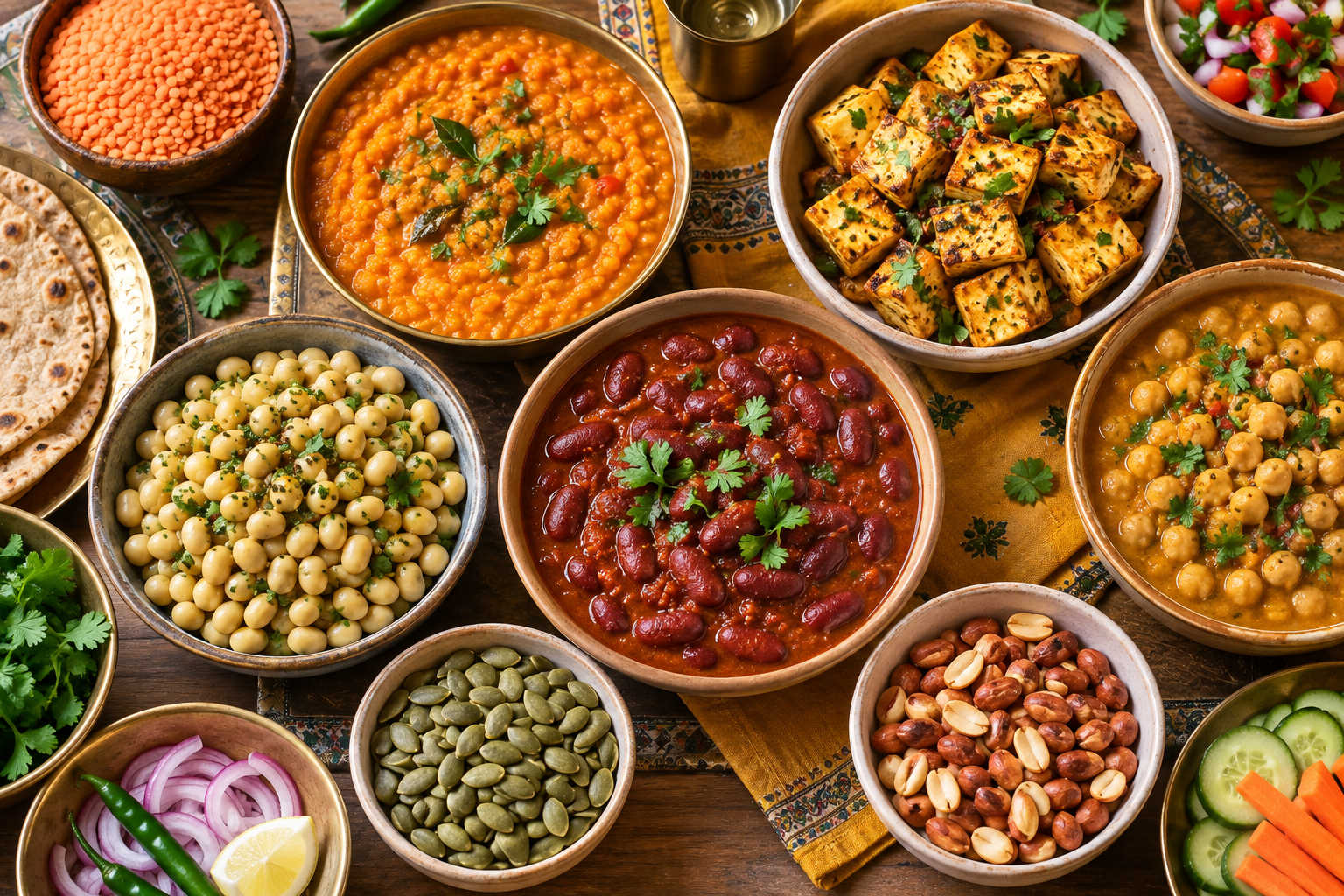
Choosing vegan food is a meaningful way to reject animal exploitation. It can also make space for more pulses, vegetables, fruit, whole grains, nuts and seeds. But the word “vegan” alone does not guarantee a balanced nutritional profile.
Packaged plant-based meats, instant noodles, sweets and snacks vary widely. Some are useful convenience foods; some are occasional treats. The practical question is not whether every processed food is “good” or “bad”, but whether the overall diet is varied, nourishing and realistic.
For a deeper look at this distinction, read Are vegan foods ultra-processed?

Per 100 grams or per serving?
One disputed point is whether warnings should be based on a standard 100-gram measure or on the amount people usually eat. Per-100-gram figures make products easier to compare. Serving sizes can feel more realistic, but manufacturers can define them differently and very small portions can make a product look gentler than it is.
A sensible shopping habit is to check both. Compare similar products per 100 grams, then consider the amount you will actually eat. A tablespoon of pickle and a full bowl of breakfast cereal are not equivalent servings, even when both labels use the same reference weight.
How to read the front and back together
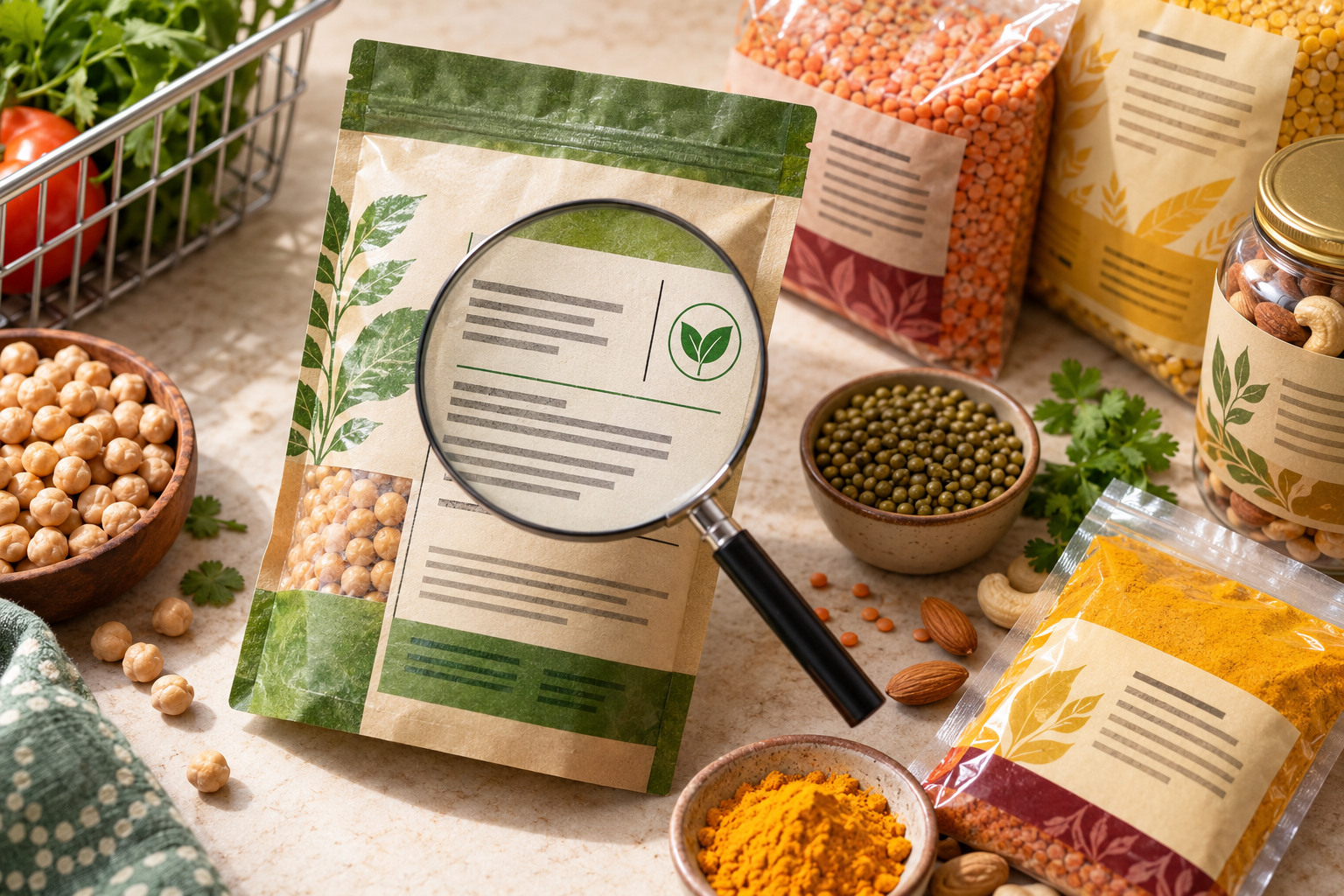
- Start with the vegan check. Look for a credible vegan certification or scan the ingredients for milk solids, whey, casein, egg, gelatin, honey and other animal-derived ingredients.
- Use front-of-pack warnings as a quick signal. They can help you compare products, but they do not replace the full nutrition panel.
- Check sodium, added sugar and saturated fat. Compare like with like and notice whether the values are per serving or per 100 grams.
- Look for useful ingredients. Pulses, whole grains, nuts, seeds and vegetables can add protein, fibre and micronutrients.
- Keep context. One snack does not define a diet. Regular patterns matter more than purity.
Our guide to reading vegan food labels in India explains the animal-derived ingredients that are easiest to miss.
What the warning label cannot tell you
A nutrient warning will not tell you whether palm oil was responsibly sourced, workers were treated fairly, animals were used in testing, or packaging is recyclable. It also cannot tell you whether a product fits your allergies, medical needs or budget.
Ethical shopping works best as a layered check: animal-free ingredients first, nutrition and allergens next, then environmental and labour considerations when reliable information is available.
The pro-vegan case for honest labels
Vegan advocacy is stronger when it is transparent. We do not need to pretend every plant-based product is nutritionally ideal. We can celebrate foods that spare animals while asking companies to reduce unnecessary salt, sugar and saturated fat and communicate clearly.
If India adopts prominent warnings, the best version will be easy to understand, consistent across brands and distinct from the non-vegetarian symbol. Until the final rules are known, the nutrition panel and ingredient list remain the most dependable tools in the aisle.
News context checked 4 October 2026. This article provides general information, not medical advice.































Leave a Reply
Let us know what you think about the blog post above, we’re interested in hearing from you!