

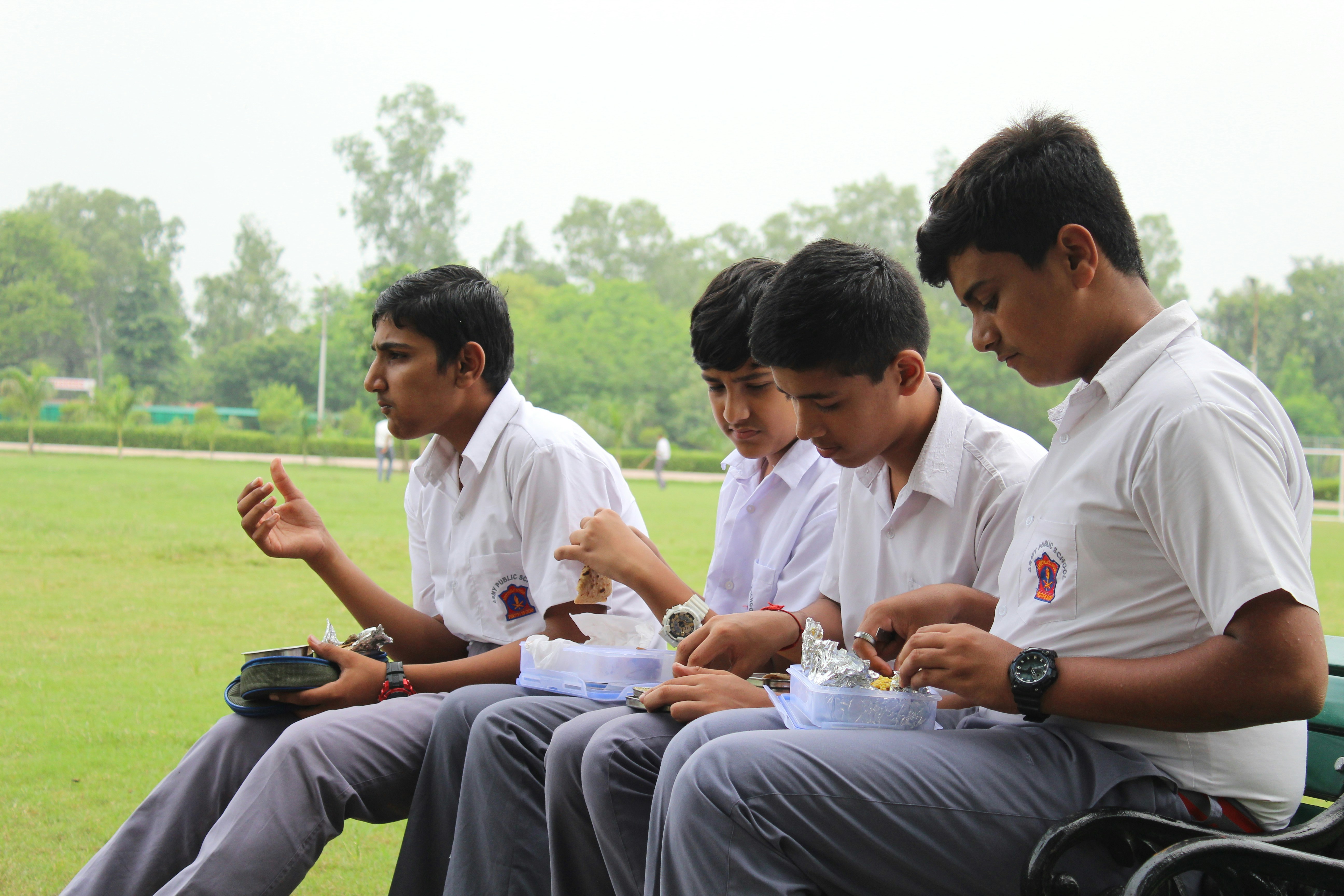
When we discuss India’s school meals, the real question is not whether one food is “traditional” or politically popular. It is whether every child receives an affordable, nutritious meal that can be delivered reliably and without avoidable harm.
Eggs are often presented as the only practical answer to protein. Soy is sometimes dismissed as incomplete or inferior. Neither claim survives a careful look at the evidence.
What PM POSHAN is trying to achieve
India’s PM POSHAN guidelines set minimum nutritional targets for the cooked school meal: about 450 calories and 12 g of protein at primary level, and 700 calories and 20 g of protein at upper-primary level. The programme is therefore about the whole plate—not a single ingredient. Read the official school-meal guidance.
Protein: soy contains all essential amino acids
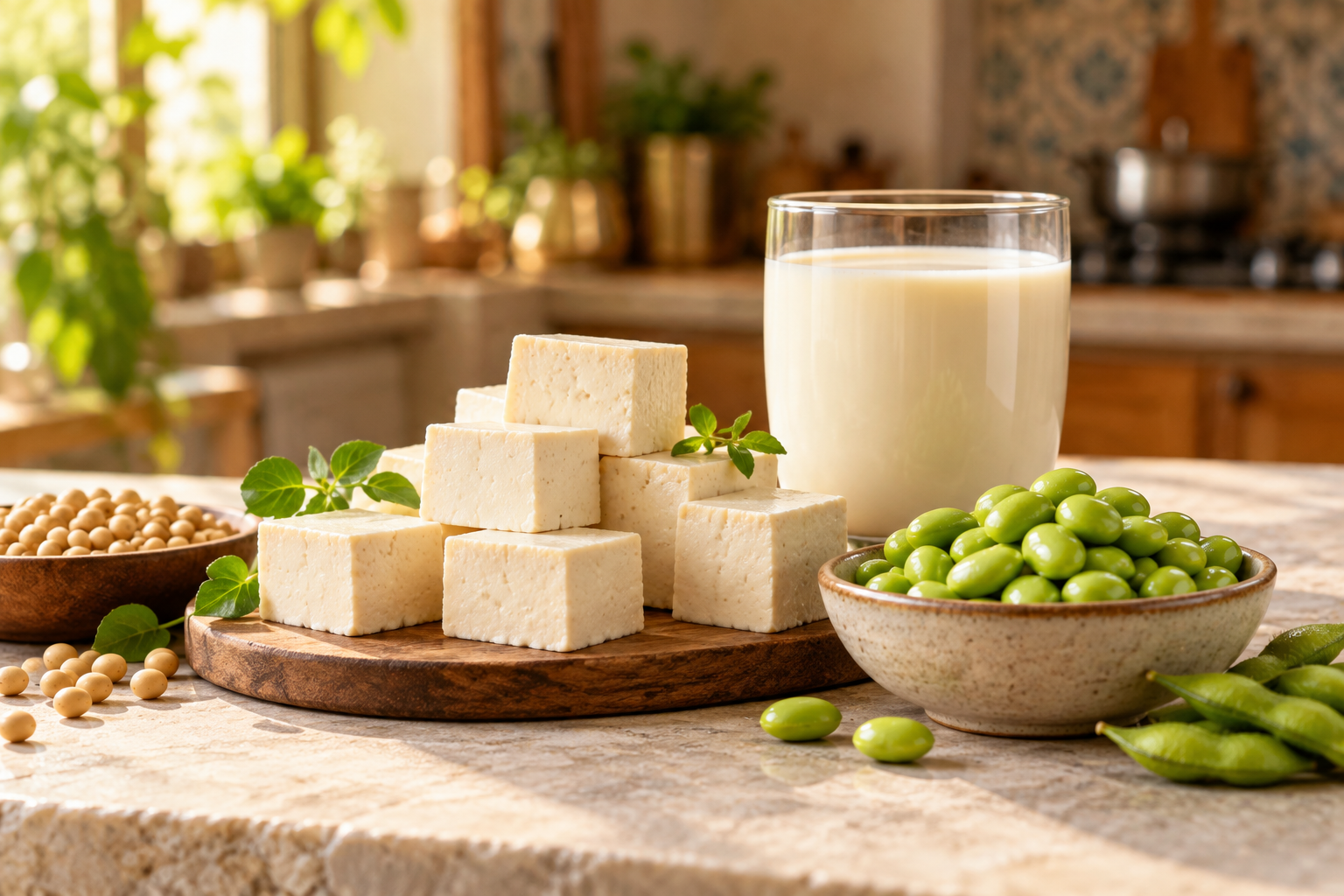
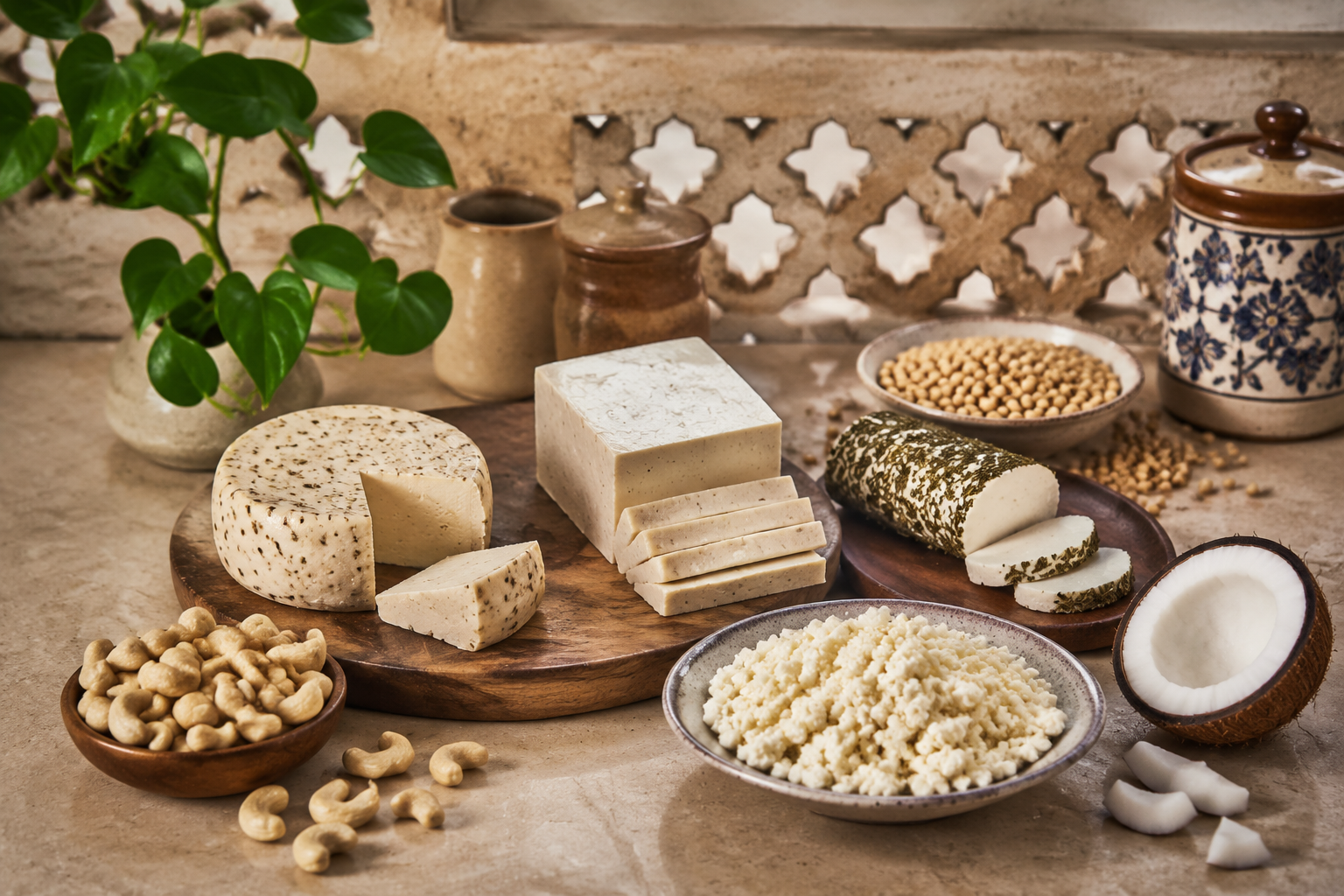
The claim that eggs contain all essential amino acids while soy does not is false. Soybeans contain all nine essential amino acids required in the human diet. Research describes soy as a complete protein, and its protein quality is high among plant foods. See the clinical review on soy protein.
An egg provides roughly 6 g of protein. Dry soy chunks commonly provide around 50 g per 100 g, although labels vary. That means a modest portion of soy can make a meaningful contribution toward a school meal’s protein target.
Children do not need every amino acid in perfect proportions from one food. A varied meal combining legumes or soy with rice, roti or millets supplies complementary amino acids across the day.
What children get beyond protein
Eggs provide protein and nutrients such as vitamin B12 and choline, but they contain no fibre. Soy provides protein together with fibre, iron, potassium and other nutrients. Whole soybeans, tofu and minimally processed soy foods can therefore contribute to both protein intake and digestive health.
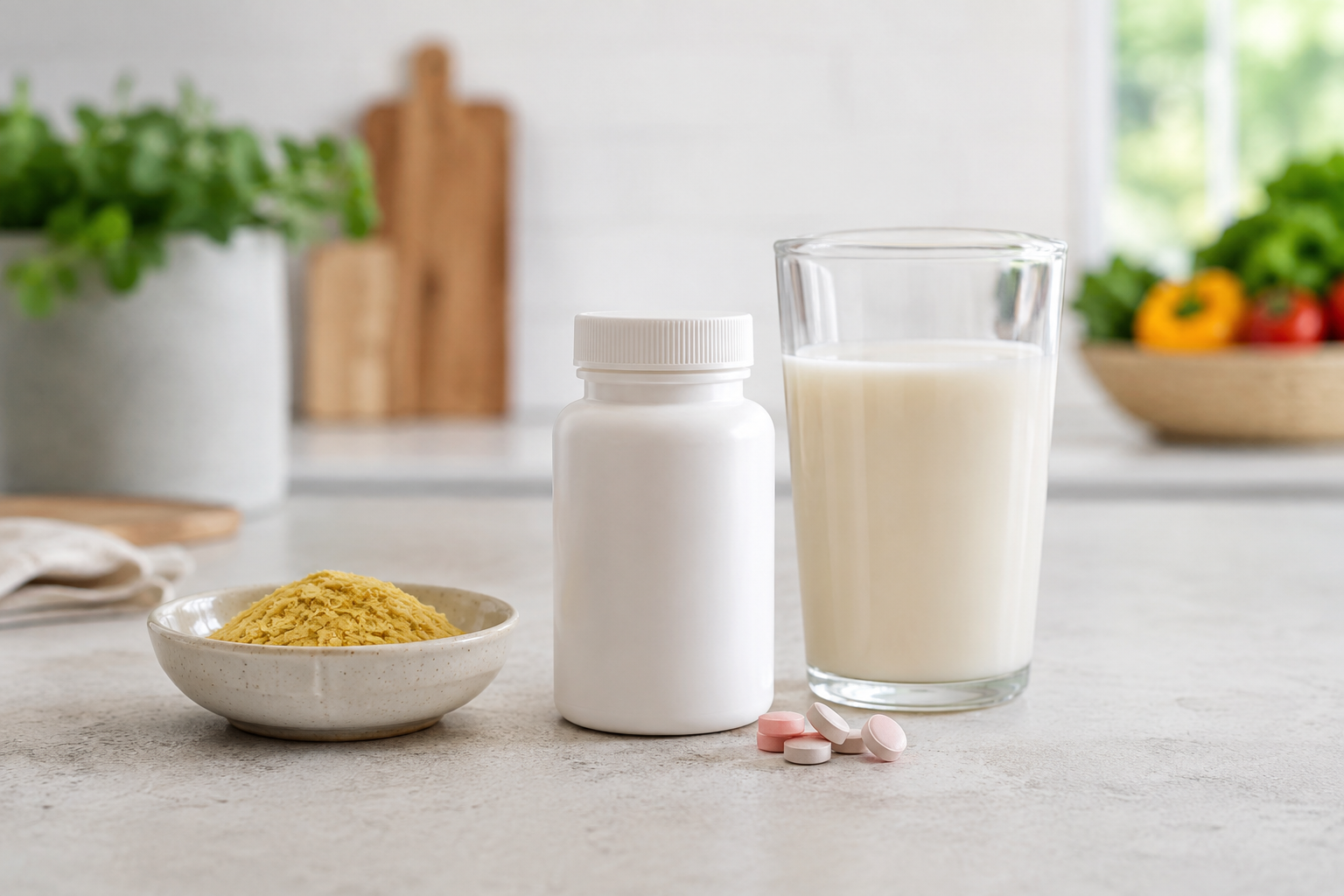
Soy is not a source of vitamin B12 unless it is fortified. A well-designed vegan school meal must plan for B12, vitamin D, iodine, iron, calcium and total energy rather than assuming one ingredient solves everything.
What about cost?
Prices change by state, season, procurement contract and form of food, so a single national price should not be treated as permanent. The useful comparison is cost per edible gram of protein—not cost per egg or cost per kilogram.
Because dry soy is protein-dense and shelf-stable, it can often provide substantially more protein per rupee than eggs. It also avoids breakage and does not require the same cold-chain controls. Local procurement trials should publish their actual cost per serving, wastage and child acceptance instead of relying on slogans.
Environmental impact
Producing animal protein generally requires feeding crops to animals before humans eat the resulting product. That additional biological step uses land and creates emissions and nutrient pollution.
The large global life-cycle study by Poore and Nemecek compared thousands of farms and found that plant proteins typically have much lower environmental impacts than animal products. The exact ratio between eggs and soy changes by farming system and impact category, so responsible advocacy should avoid one universal multiplier. The direction, however, is clear: soy protein has a markedly lighter land and climate footprint. Read the original study in Science.
The ethical cost of eggs
Egg production has an unavoidable sex problem: male chicks from egg-laying breeds cannot lay eggs and are not bred to grow efficiently for meat. Globally, billions are killed shortly after hatching, commonly through maceration or gassing. Even cage-free systems do not automatically eliminate this practice. Read the industry welfare briefing.
Hens are also selectively bred to lay far more eggs than their bodies naturally would. A compassionate food policy should count animal suffering as a real cost, not an invisible externality.
Is soy safe for children?
Soy has a long history of human consumption. For most children, ordinary soy foods can be part of a balanced diet. Soy is a recognised allergen, so schools need clear allergy procedures—just as they do for peanuts, dairy and eggs.
Claims that soy “feminises” children or disrupts hormones are not supported by clinical evidence at normal food intakes. For a deeper look, read our evidence review on soy and hormones.
A better school-meal model
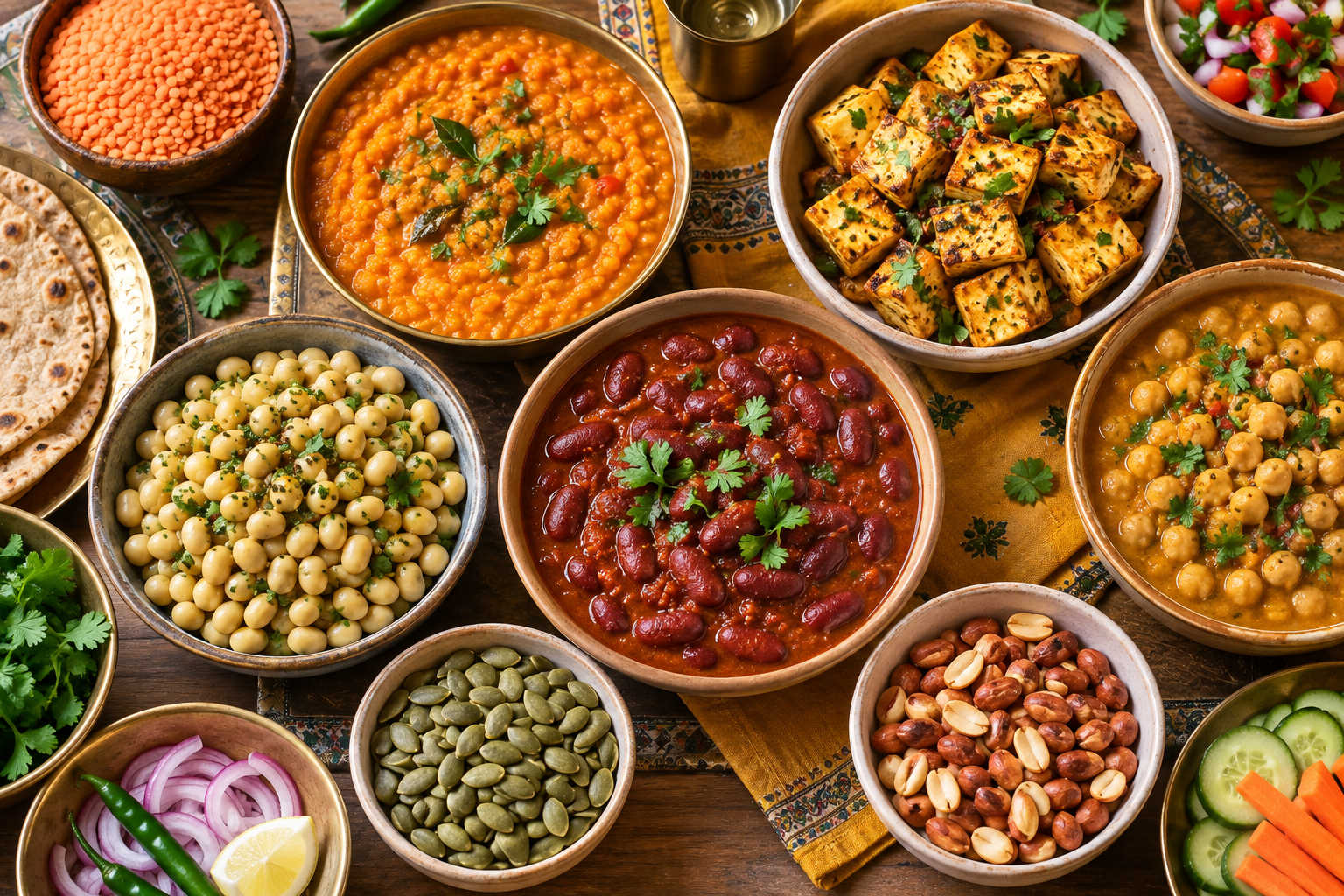
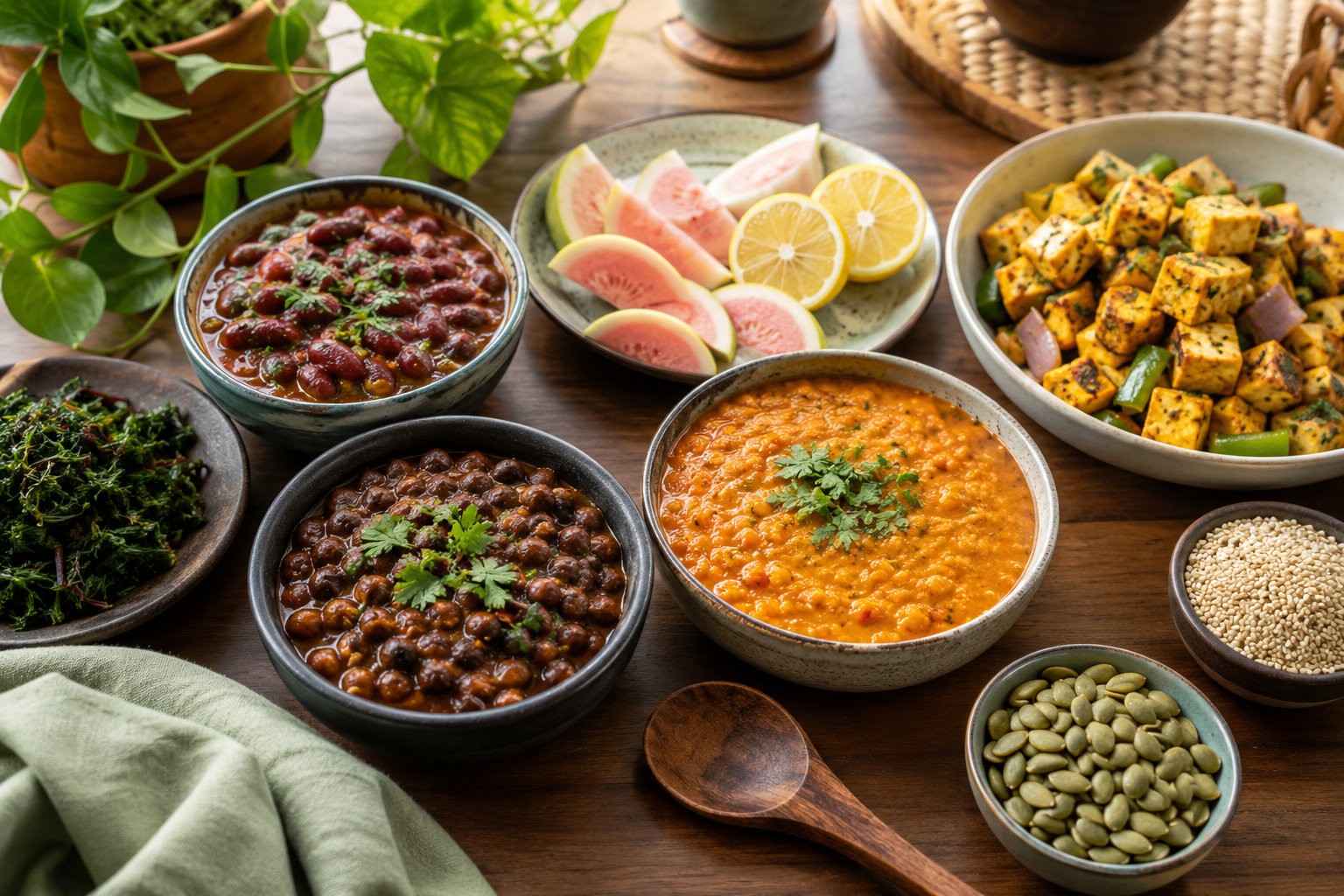
The strongest case is not “serve plain soy chunks every day.” It is to build diverse, culturally familiar menus that children enjoy:
- soy keema with rice or pav;
- tofu bhurji with roti;
- soy-and-vegetable pulao;
- rajma, chana, dal and millet combinations;
- fortified foods where necessary;
- seasonal fruit and vegetables;
- regular monitoring of growth, anaemia and meal acceptance.
Schools can pilot recipes locally, train cooks, test texture and spice levels with children, and publish nutrient and cost data. That is more useful than imposing a single food without measuring outcomes.
The bottom line
Eggs are not the only complete protein, and soy is not nutritionally second-rate. Soy can deliver high-quality protein, fibre and useful minerals at a low cost, with substantially lower environmental impacts and without the routine killing built into egg production.
If the goal is to nourish the greatest number of children fairly, India should invest in well-designed, diverse plant-based school meals—and evaluate them with the same seriousness applied to any public-health programme.
Explore our budget protein guide for India and vegan recipe collection.











Leave a Reply
Let us know what you think about the blog post above, we’re interested in hearing from you!