


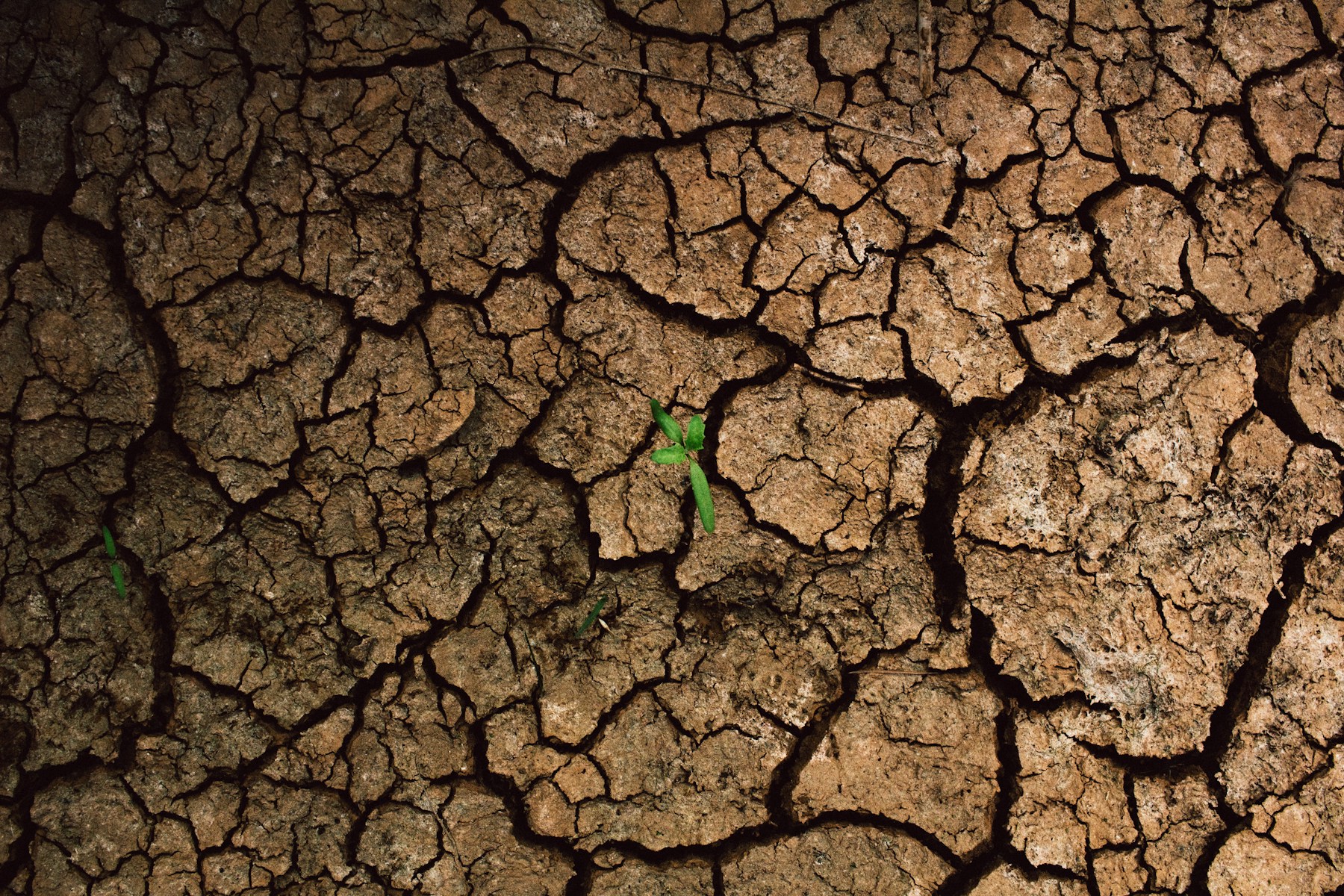
India’s monsoon has ended with a warning that is hard to ignore. A Central Water Commission report dated 24 September 2026 found that storage across 178 major reservoirs stood at 70% of capacity—below the 10-year average of 76.62% and last year’s 79%.
The picture is especially serious in southern India. Reservoirs across Andhra Pradesh, Telangana, Karnataka, Kerala and Tamil Nadu were at 50% of capacity, while the region had received 23% less rainfall than normal by 28 September.
Why reservoir levels matter to everyone
Reservoirs are not only scenic backdrops. They support drinking-water systems, irrigation, hydropower and industry. Low storage can intensify competition between cities, farms and ecosystems, particularly during the dry months.
The 29 September report in The Indian Express says India finished the monsoon 12% below normal rainfall. It also points to unusually uneven rain and a strengthening El Niño.
No single household choice caused this shortage, and changing dinner alone will not refill a dam. Better irrigation, resilient cropping, leak reduction, watershed restoration, fair allocation and climate action are all essential. Food choices still belong in the conversation because producing food is one of the major ways societies use freshwater.
The water hidden in a meal
Water is used to grow crops, produce animal feed, provide drinking water for farmed animals, clean facilities and process food. The total depends on location, rainfall, irrigation method, soil, yield and supply chain.
That variation is why one viral “litres per food” number rarely tells the whole story. Blue water taken from rivers and groundwater is different from rainwater, and water used in a wet region does not carry the same risk as water taken from a stressed basin.
The FAO’s AQUASTAT system tracks water resources and agricultural water use by country. Its data is a useful reminder that food-water planning is a public policy question as well as a personal one.
Does eating vegan automatically save water?
A well-planned vegan diet can reduce several environmental pressures, but “plant-based” is not a magic label for low water use. Rice, almonds, sugar and other crops can be water-intensive in particular places. Poor irrigation and food waste can make any crop’s footprint worse.
Even with those caveats, a major global farm study in Science found large differences between producers and showed that replacing animal products with plant foods offers substantial environmental potential. Feeding crops to animals and then eating the animals adds an extra conversion step; eating pulses, grains, vegetables, nuts and seeds directly is usually a more efficient use of land and other resources.

Practical water-aware vegan choices
Build meals around pulses
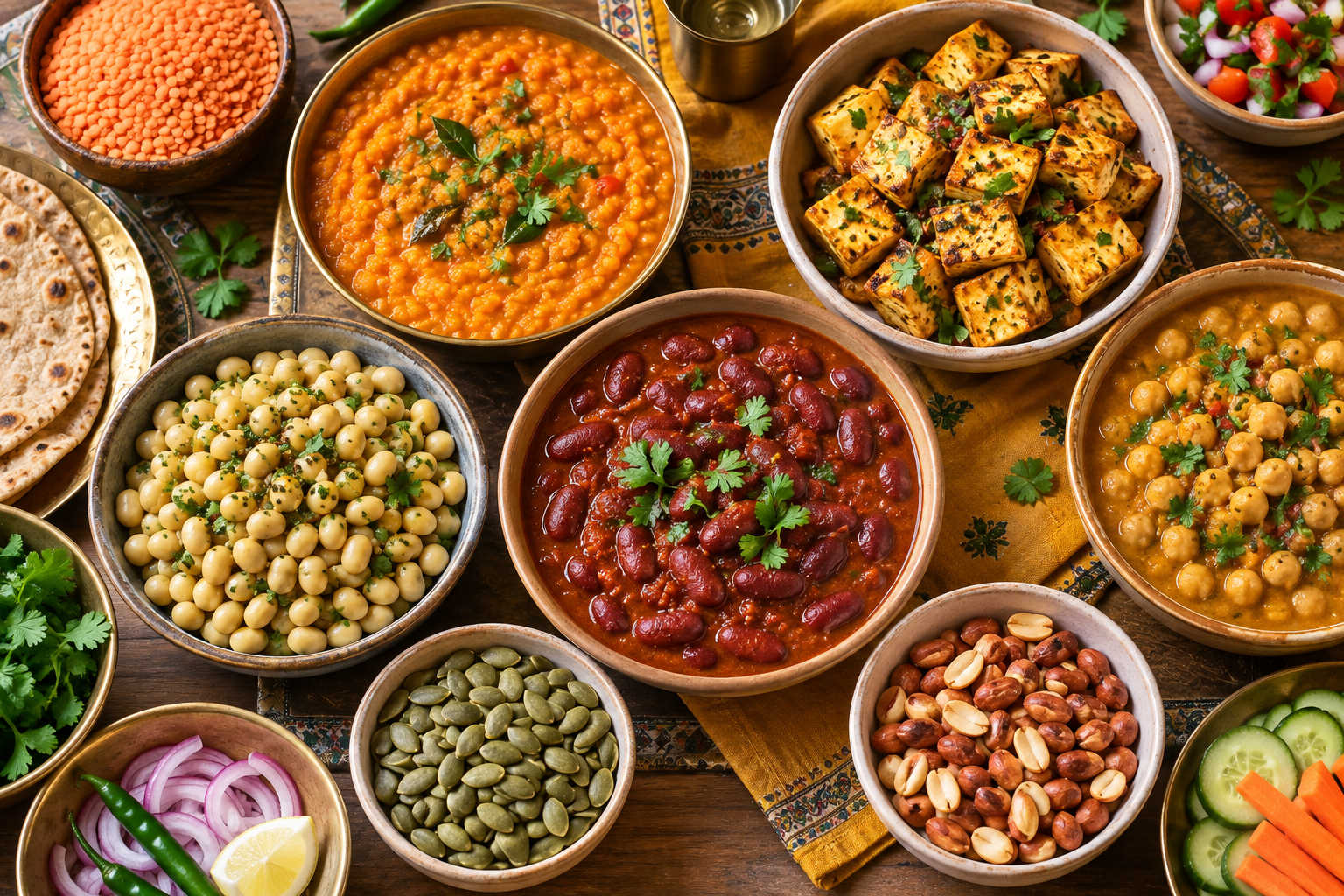
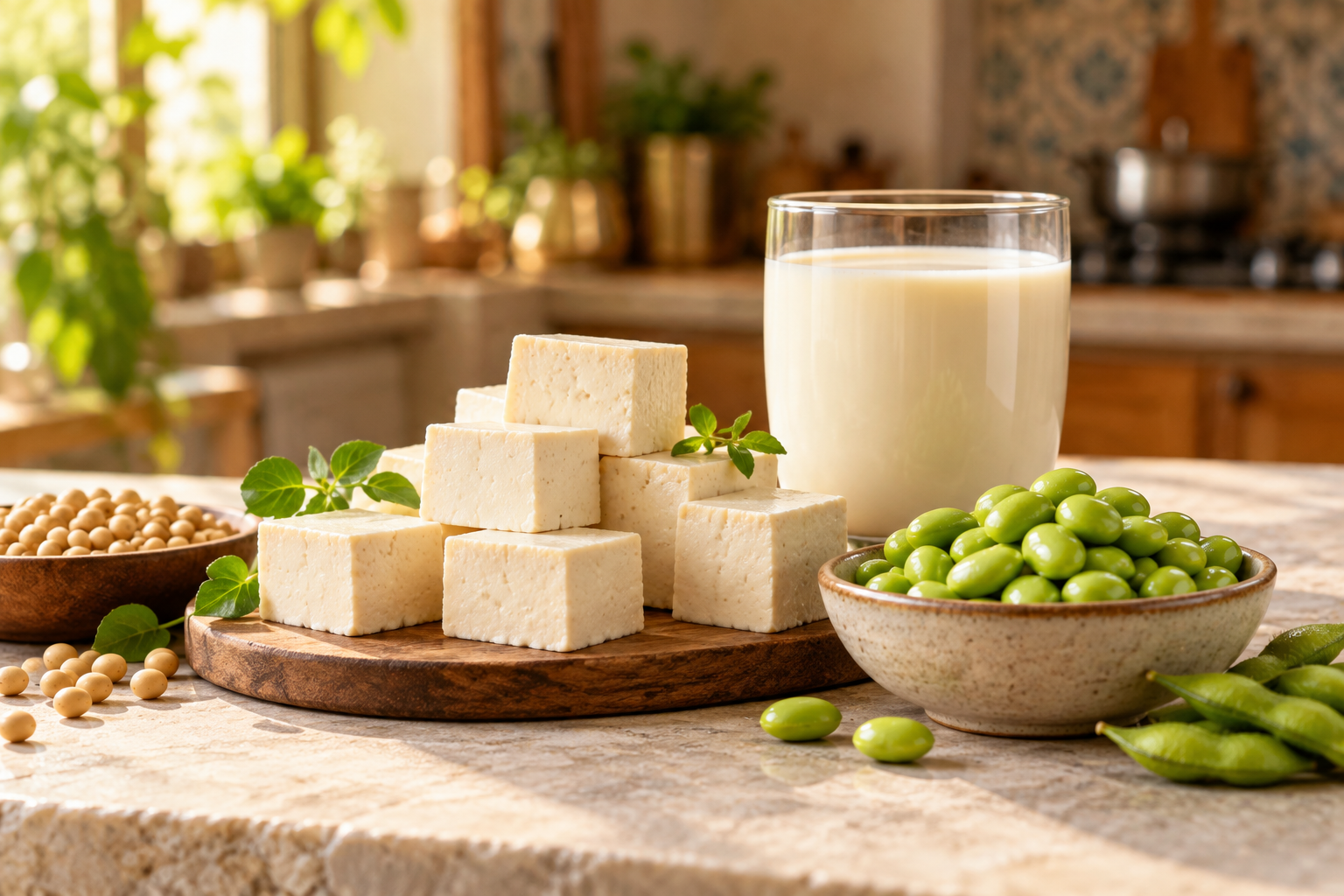
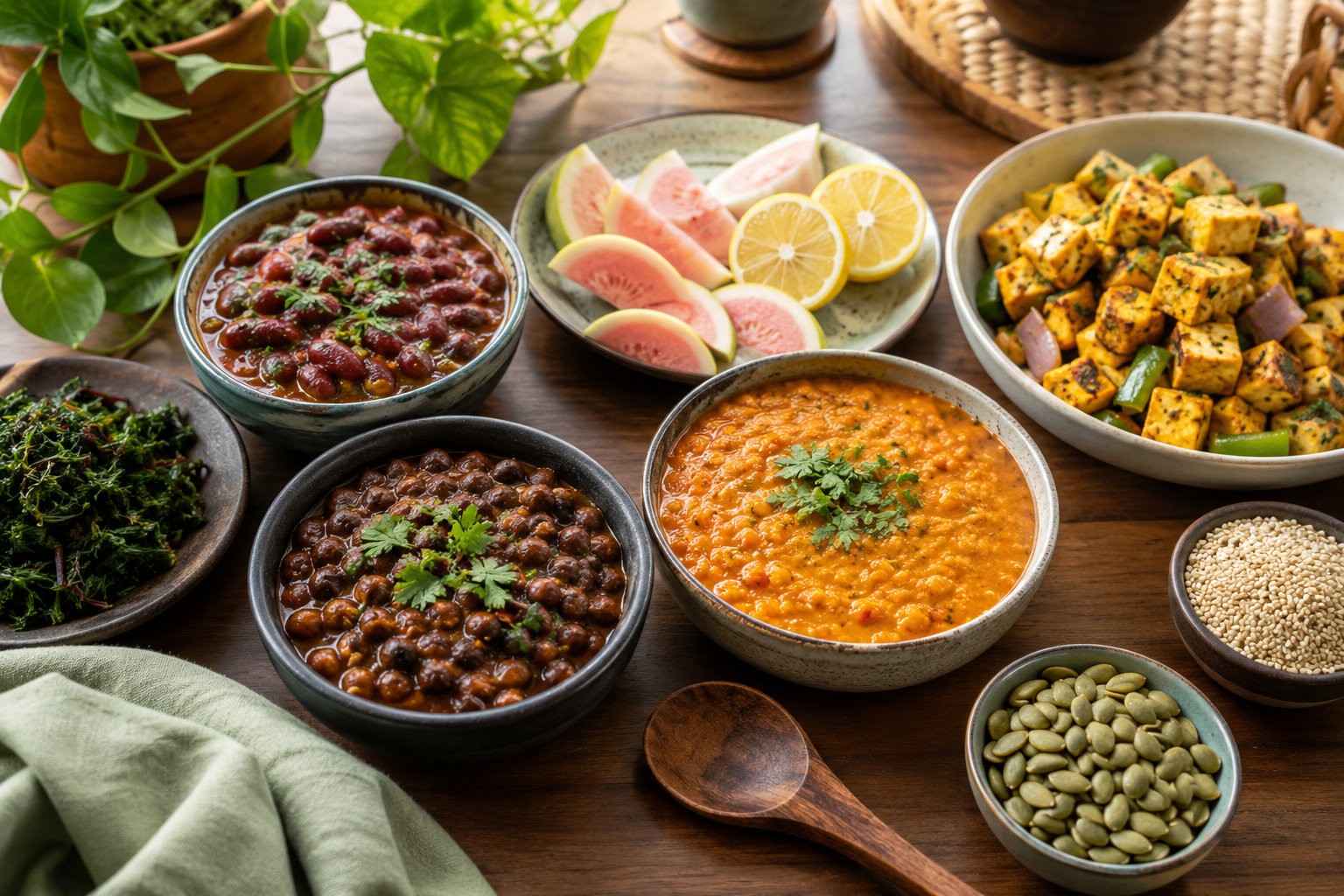
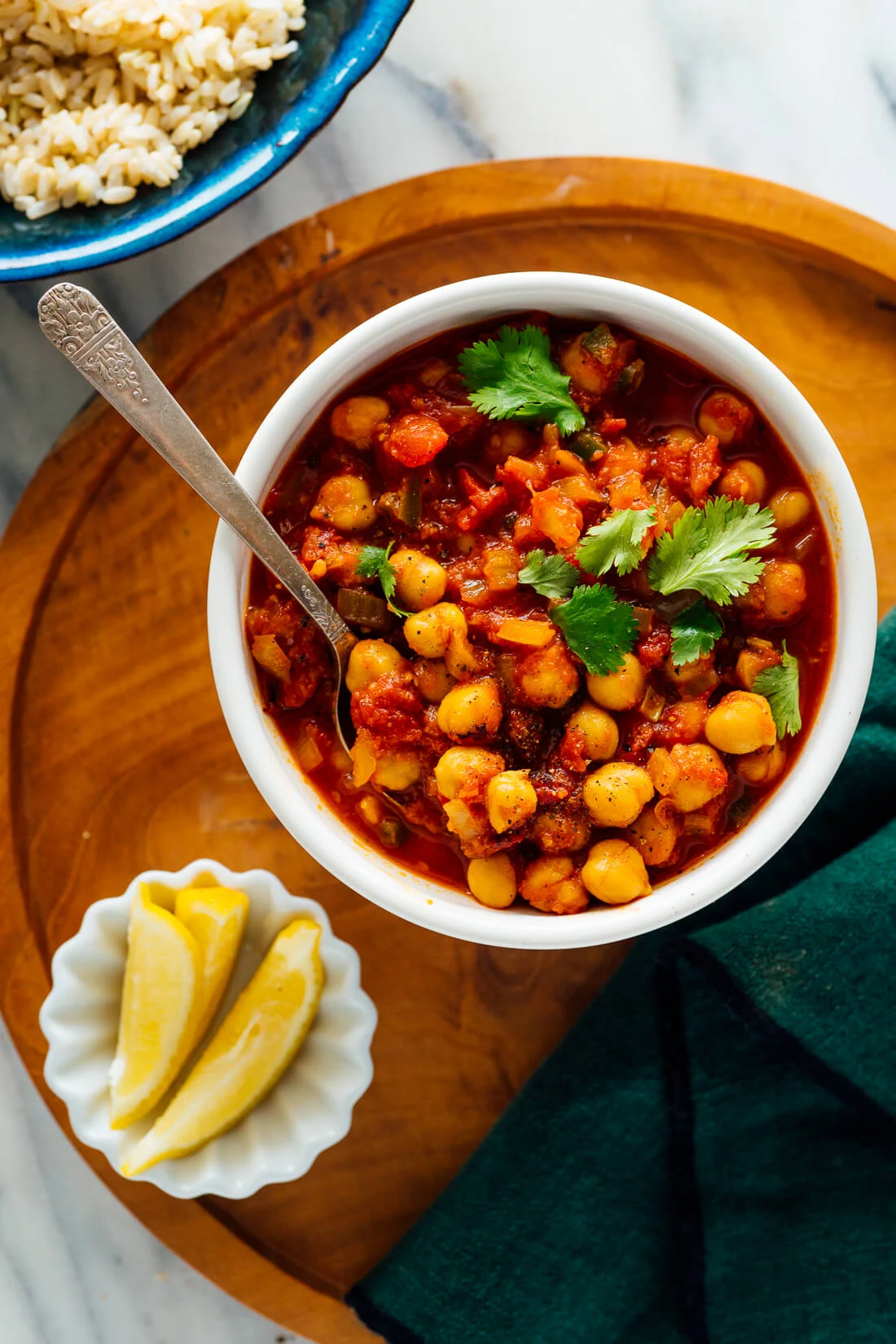
Dal, chana, rajma, lobia and peas are familiar, affordable protein foods. Rotate them with tofu, tempeh and other soy foods instead of relying on dairy, eggs or meat. Variety spreads demand across crops and makes meals more interesting.
Let seasonal vegetables do the work
Choose vegetables that are abundant where you live, and use the edible stems and leaves when appropriate. “Local” is not a perfect water indicator, but seasonal buying can reduce the need for resource-heavy storage and avoid chasing out-of-season produce.
Waste less food
Avoided waste saves every input already used to grow, transport and cool that food. Plan portions, refrigerate leftovers promptly, freeze what you will not eat, and turn soft vegetables into soup, sabzi, sambar or chutney.
Read claims critically
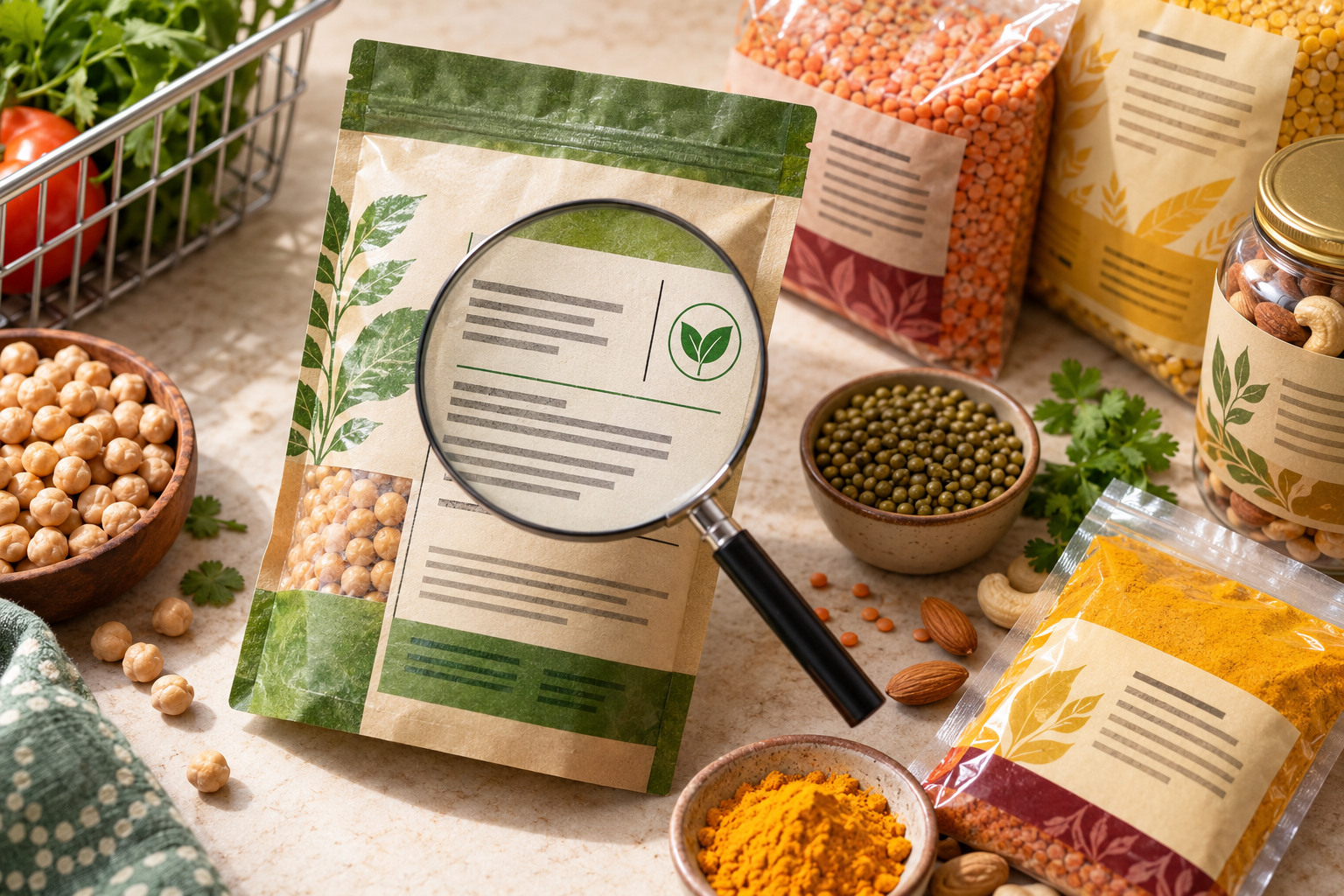
A “natural”, “organic” or “plant-based” label does not reveal where water came from. Prefer brands and farms that explain sourcing, irrigation and supply-chain practices rather than making vague green claims.
A one-day Indian plate
- Breakfast: besan chilla with coriander chutney and seasonal fruit.
- Lunch: millet or rice, dal, a seasonal sabzi and kachumber.
- Snack: roasted chana, peanuts or fruit instead of a dairy-heavy packaged snack.
- Dinner: rajma, tofu bhurji or chole with roti and vegetables.
This is not a rigid menu. It is a pattern: use direct plant proteins, enjoy diverse crops and waste as little as possible.
Food choices and public action belong together
Personal action becomes more powerful when paired with civic action. Follow local reservoir updates, support farmers shifting to resilient crops, ask institutions to serve appealing plant-based meals, and push for transparent water data and climate adaptation.
For a deeper comparison, read our analysis of the water footprint of dairy milk and plant-based choices. A vegan meal will not solve a national water crisis on its own, but millions of meals can help reduce demand while policy tackles the larger system.
























Leave a Reply
Let us know what you think about the blog post above, we’re interested in hearing from you!