


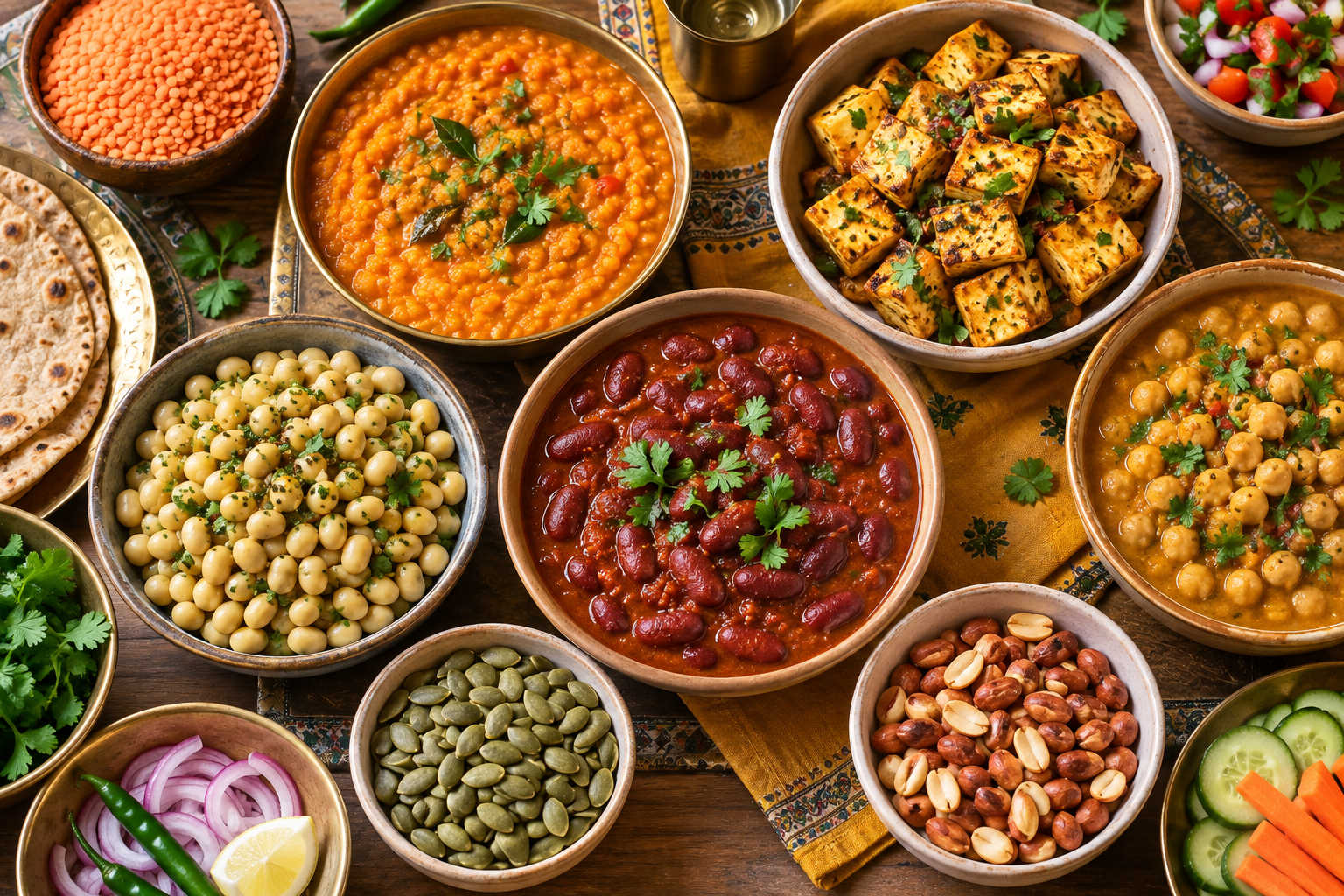
You do not need dairy to meet your calcium needs—but you do need a plan.
Calcium supports bones and teeth, muscle contraction, nerve signalling and normal blood clotting. India’s 2024 Dietary Guidelines note adult calcium recommendations of roughly 850–1,050 mg a day, depending on age and life stage. Read the ICMR–NIN Dietary Guidelines for Indians.
Start with the label, not the marketing
Calcium varies widely between brands and preparation methods. Plant milk is not automatically calcium-rich, and tofu is high in calcium only when it is set with a calcium salt. Check the nutrition label rather than assuming.
The NIH lists fortified plant milks, some tofu, leafy vegetables and fortified cereals among useful non-dairy sources. See the NIH calcium fact sheet.
1. Fortified soy milk
Fortified soy milk is one of the simplest replacements for dairy because it can provide calcium alongside meaningful protein. Look for an unsweetened product fortified with calcium and, ideally, vitamin B12 and vitamin D. Shake the carton: added calcium can settle at the bottom.
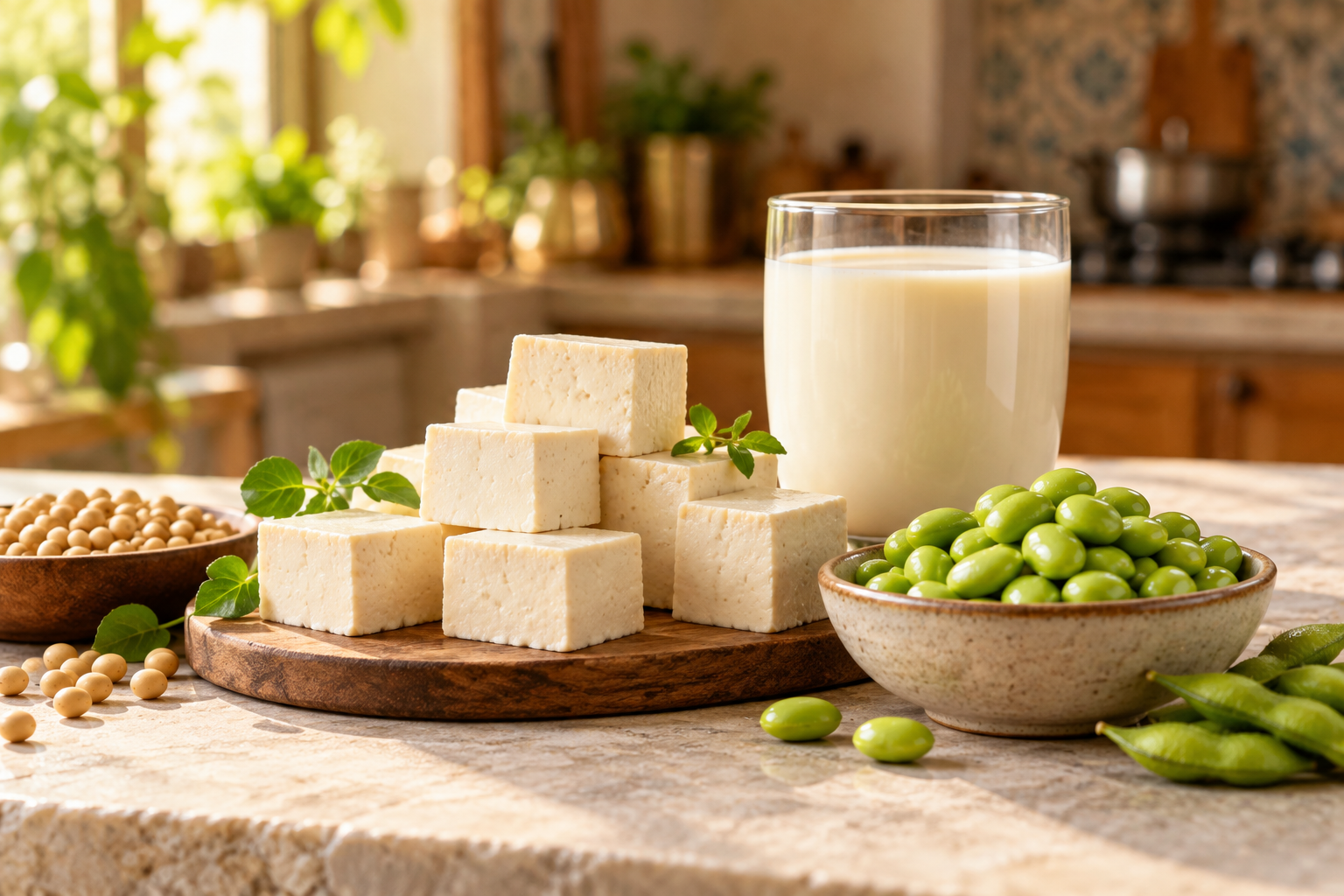
2. Calcium-set tofu
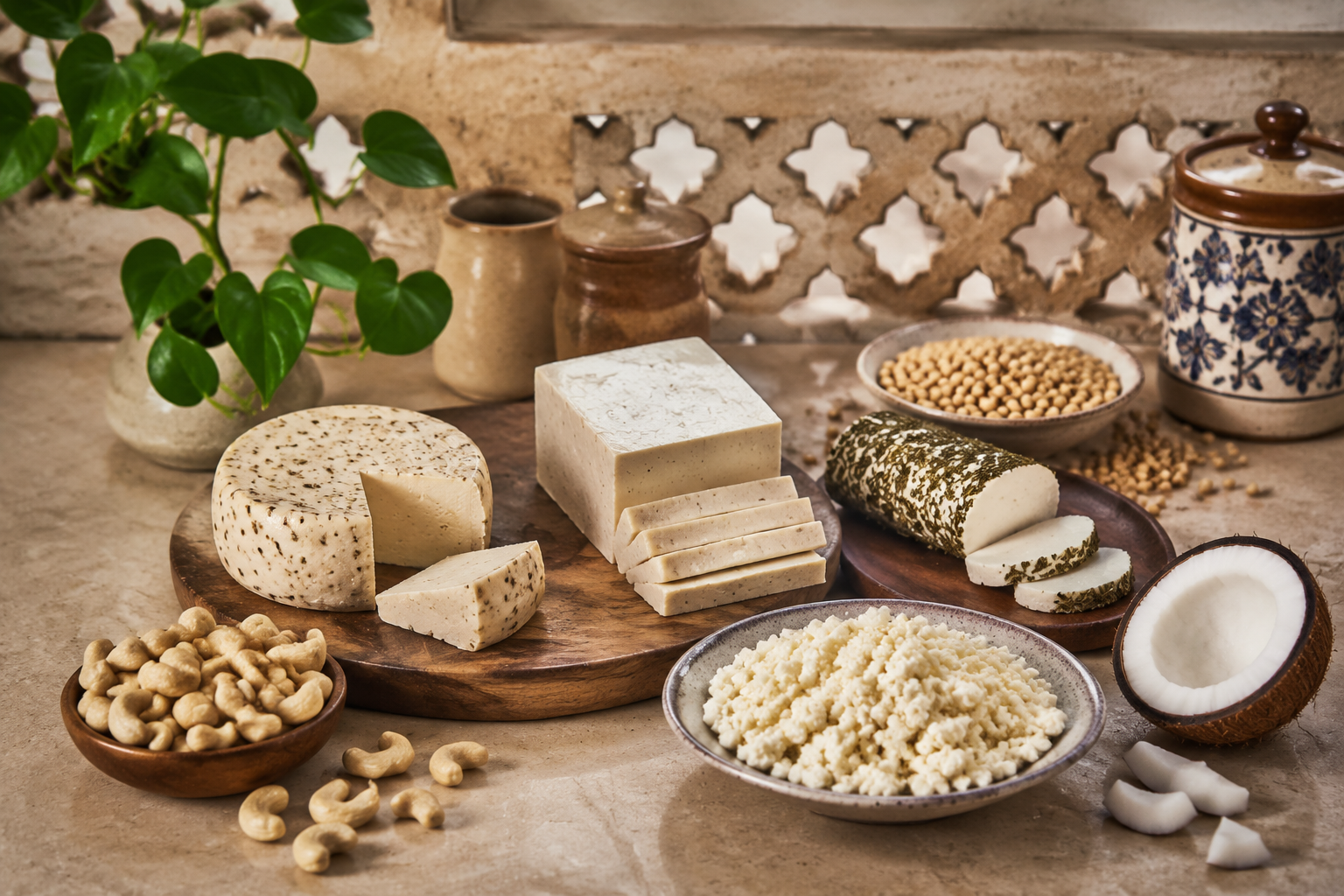
Tofu made with calcium sulphate can be a major source of calcium as well as complete protein. Check the ingredient list and nutrition panel because tofu made with magnesium chloride or another coagulant may contain much less calcium.
Use it in bhurji, tikka, palak tofu, stir-fries or curries. Explore our creamy tofu scramble.
3. Ragi
Finger millet, or ragi, is naturally calcium-rich and familiar across India. Ragi dosa, porridge, rotis and idli can make it easier to include regularly. It works best as one part of a varied pattern, not as the only calcium source.
4. Sesame seeds and tahini
Til is compact, affordable and easy to add to chutneys, laddoos, podi, stir-fries and salads. Tahini can become a dressing or sandwich spread. Portions matter because seeds are energy-dense, and the calcium content differs between hulled and unhulled sesame.
5. Soybeans and edamame
Whole soybeans and edamame offer calcium together with protein, fibre and iron. They can go into chaat, pulao, salads or simple masala dishes.
6. Chickpeas, rajma and white beans
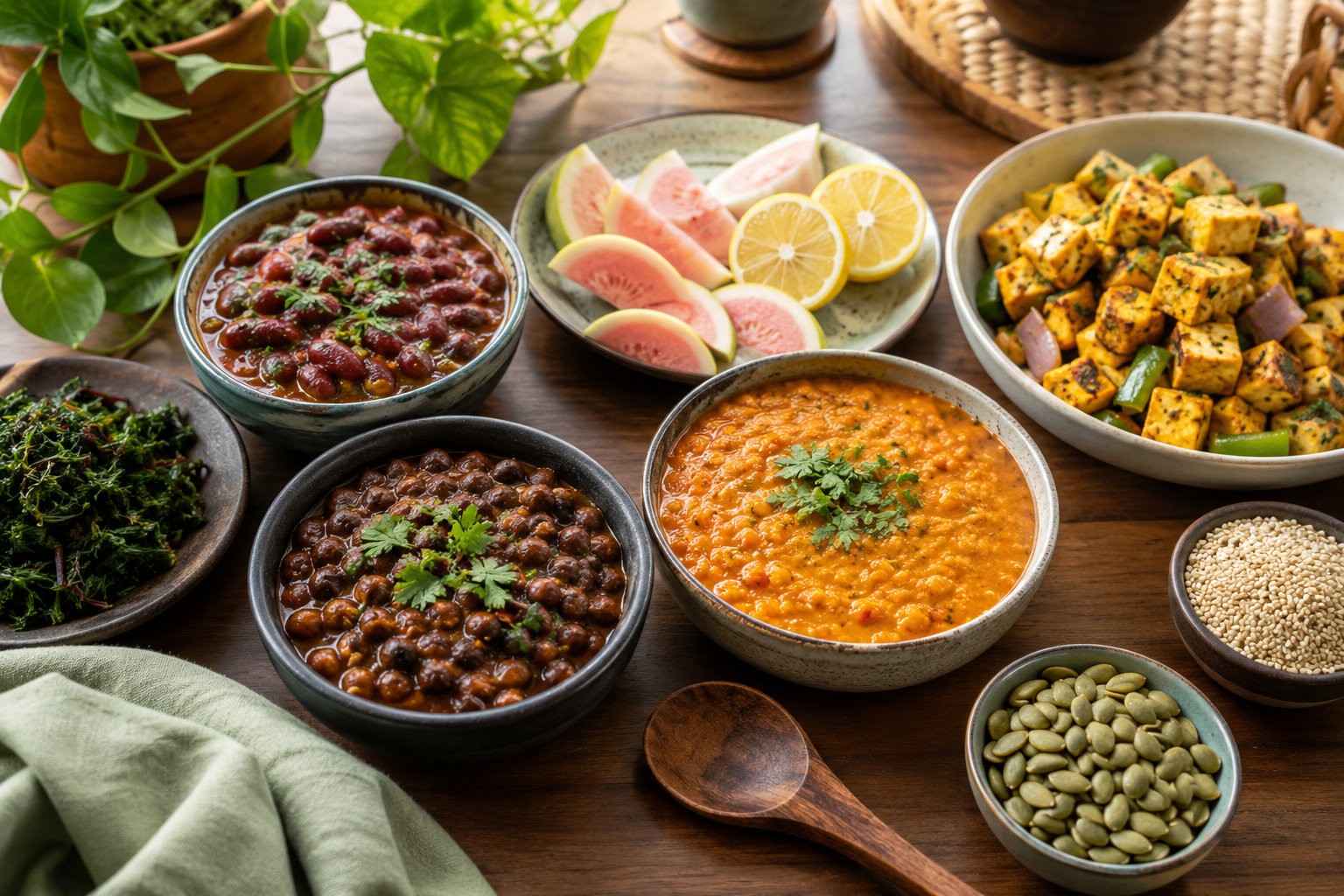
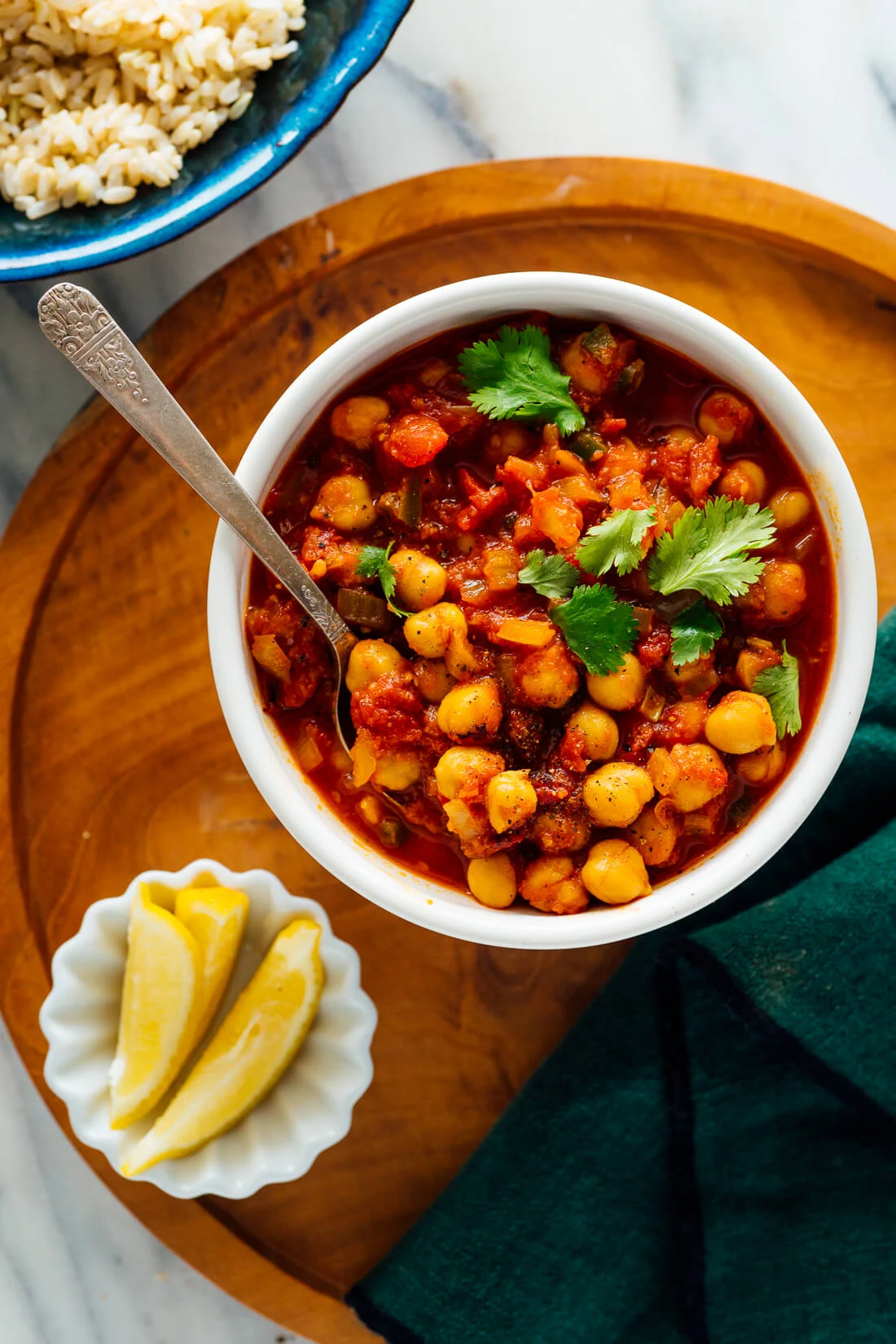
Beans are not as calcium-dense as fortified milk or calcium-set tofu, but regular servings add up while also providing protein and fibre. Chana masala, rajma, hummus and bean salads are practical everyday options.
7. Low-oxalate leafy greens
Greens such as kale, bok choy, mustard greens and broccoli can provide well-absorbed calcium. Spinach contains calcium too, but its high oxalate content makes much of that calcium difficult to absorb. Variety matters more than chasing one “superfood”.
8. Almonds
Almonds make a useful snack and add calcium, healthy fats and protein. They are best treated as a contributor rather than the main source. Almond milk only provides substantial calcium when it is fortified.
9. Dried figs
Anjeer offers some calcium and can add sweetness to oats or snacks. It is concentrated in natural sugar, so modest portions are sensible.
10. Fortified foods
Some breakfast cereals, juices, vegan yoghurts and nutrition products are fortified with calcium. These can be useful, especially for people with limited diets, but compare added sugar, protein and cost. More fortification is not automatically better.
A practical calcium-rich vegan day
- Breakfast: ragi dosa with sambar, plus fortified soy milk in tea or coffee.
- Lunch: palak tofu, roti and a bean salad.
- Snack: fruit with a small handful of almonds, or til chikki.
- Dinner: chana or rajma with rice, broccoli or mustard greens.
The exact total depends on brands, recipes and serving sizes. Use labels and a qualified dietitian if you need a clinical plan.
Absorption matters
Vitamin D helps the body absorb calcium. Sun exposure is not always sufficient, especially with indoor lifestyles, darker skin, air pollution or limited UV exposure. A blood test and clinician can help if deficiency is a concern.
Spread calcium-rich foods across the day rather than trying to obtain everything in one meal. Weight-bearing and resistance exercise, adequate protein and not smoking also support bone health.
Do vegans need a calcium supplement?
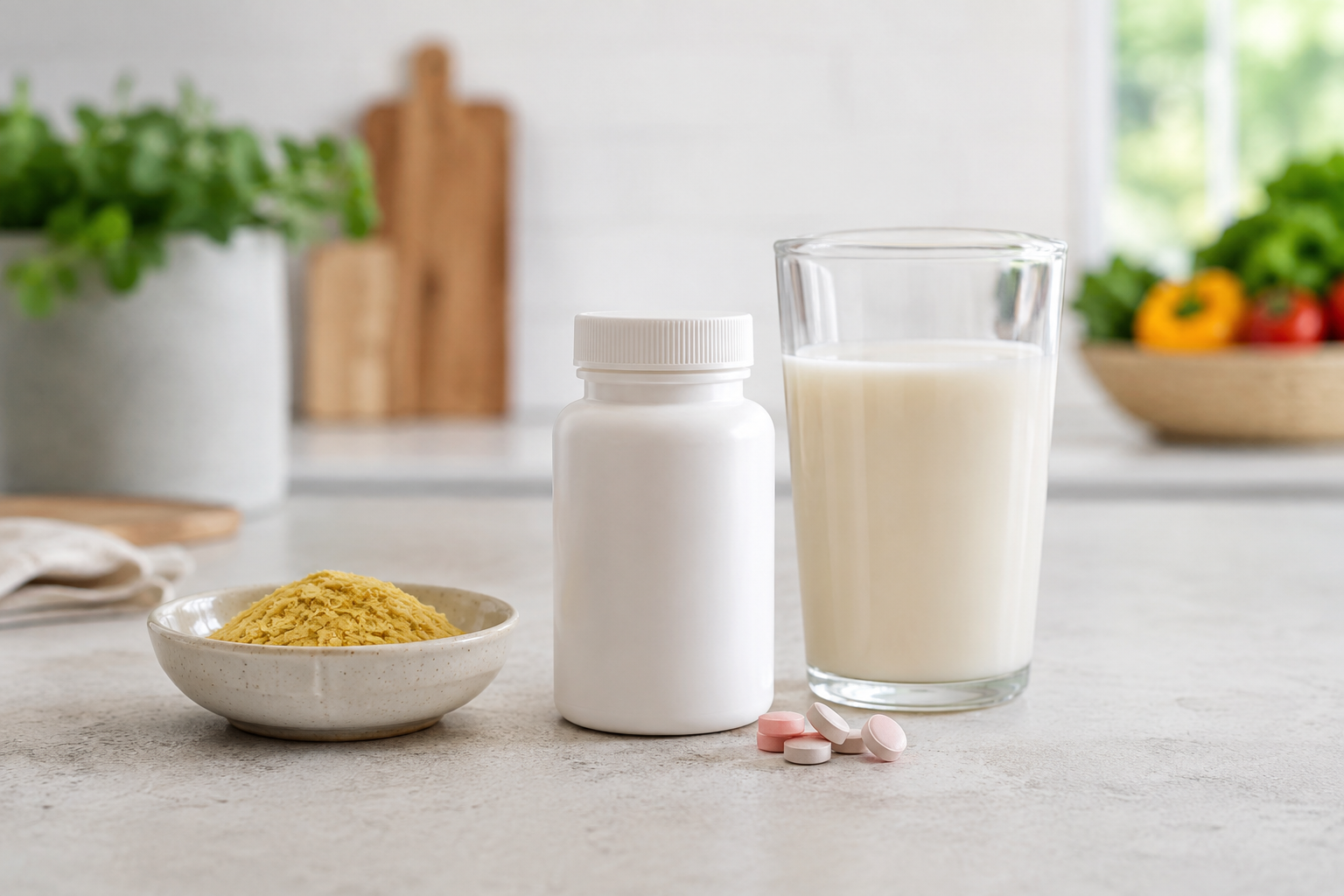
Not automatically. Food and fortified products can meet needs, but a supplement may be appropriate when intake is consistently low or a clinician identifies higher requirements. More is not always safer: high-dose supplements can interact with medicines and may cause side effects.
Pregnant people, adolescents, older adults and anyone with kidney, parathyroid, digestive or bone conditions should seek individual advice.
The bottom line
Dairy is one way to obtain calcium, not the definition of calcium. Fortified soy milk, calcium-set tofu, ragi, sesame, beans and selected greens can build a strong vegan pattern using foods available in India.
The key is deliberate variety: check labels, include a dependable source at several meals, plan vitamin D and remember that vitamin B12 needs its own reliable source.













Leave a Reply
Let us know what you think about the blog post above, we’re interested in hearing from you!