


“Vegan”, “cruelty-free”, “natural” and “clean” often sit side by side on beauty packaging. They do not mean the same thing.
For an Indian shopper trying to avoid animal exploitation, the difference matters. A product can contain no animal-derived ingredients but still lack a meaningful animal-testing policy. Another can be sold as cruelty-free while containing beeswax, lanolin or carmine.
The kindest routine begins with two separate questions: what is in the product, and how was it tested?
Vegan and cruelty-free answer different questions
A vegan cosmetic should not contain ingredients, additives or processing aids derived from animals. Cruelty-free generally refers to animal testing of the finished product and, depending on the standard, its ingredients and suppliers.
Neither term automatically proves the other. “Natural”, “herbal”, “organic” and “Ayurvedic” also do not guarantee that a product is vegan or cruelty-free. Honey, milk proteins, beeswax and shellac are all animal-derived even when marketed as natural.
What Indian law does—and does not—tell you
India prohibited animal testing of cosmetics in 2014 and also prohibited the import of cosmetics tested on animals. The Central Drugs Standard Control Organisation lists the relevant notifications, including the rules on testing and imports.
That is meaningful progress, but a legal ban is not the same as a vegan standard. Cosmetics rules do not make every legal product free from animal-derived ingredients. They also do not necessarily explain every supplier practice or how a multinational brand behaves in other markets.
Look for transparent brand policies and credible third-party standards, especially when a label makes broad global claims.
Animal-derived ingredients worth recognising
Ingredient lists can be technical, and some substances may come from either plant or animal sources. These are common signals to investigate:
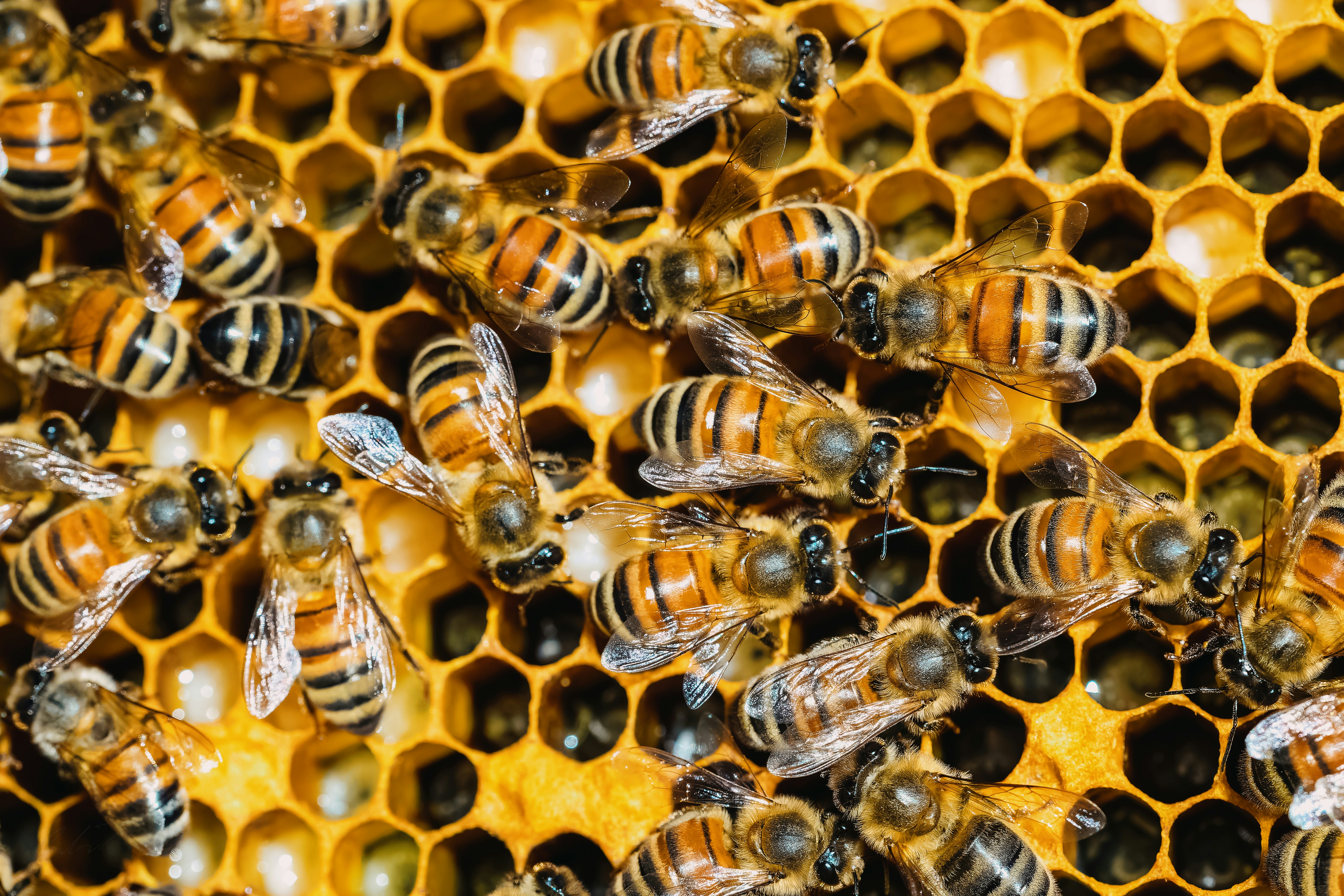
- Beeswax or cera alba: used in balms, mascara and creams.
- Lanolin: a wool-grease ingredient found in lip and skin products.
- Carmine, cochineal or CI 75470: red pigment produced from crushed insects.
- Shellac: a resinous insect secretion used in nail and hair products.
- Collagen, elastin and keratin: proteins commonly sourced from animal tissues, hides, horns, hooves or feathers.
- Milk proteins, whey, casein and lactose: dairy-derived ingredients.
- Gelatin: made from animal collagen.
Other names need source confirmation. Glycerin, stearic acid, squalene and certain fatty acids can be plant-derived or animal-derived. A short email to the brand should ask for the exact source, not merely whether the ingredient is “natural”.
Read the whole pack, not just the front
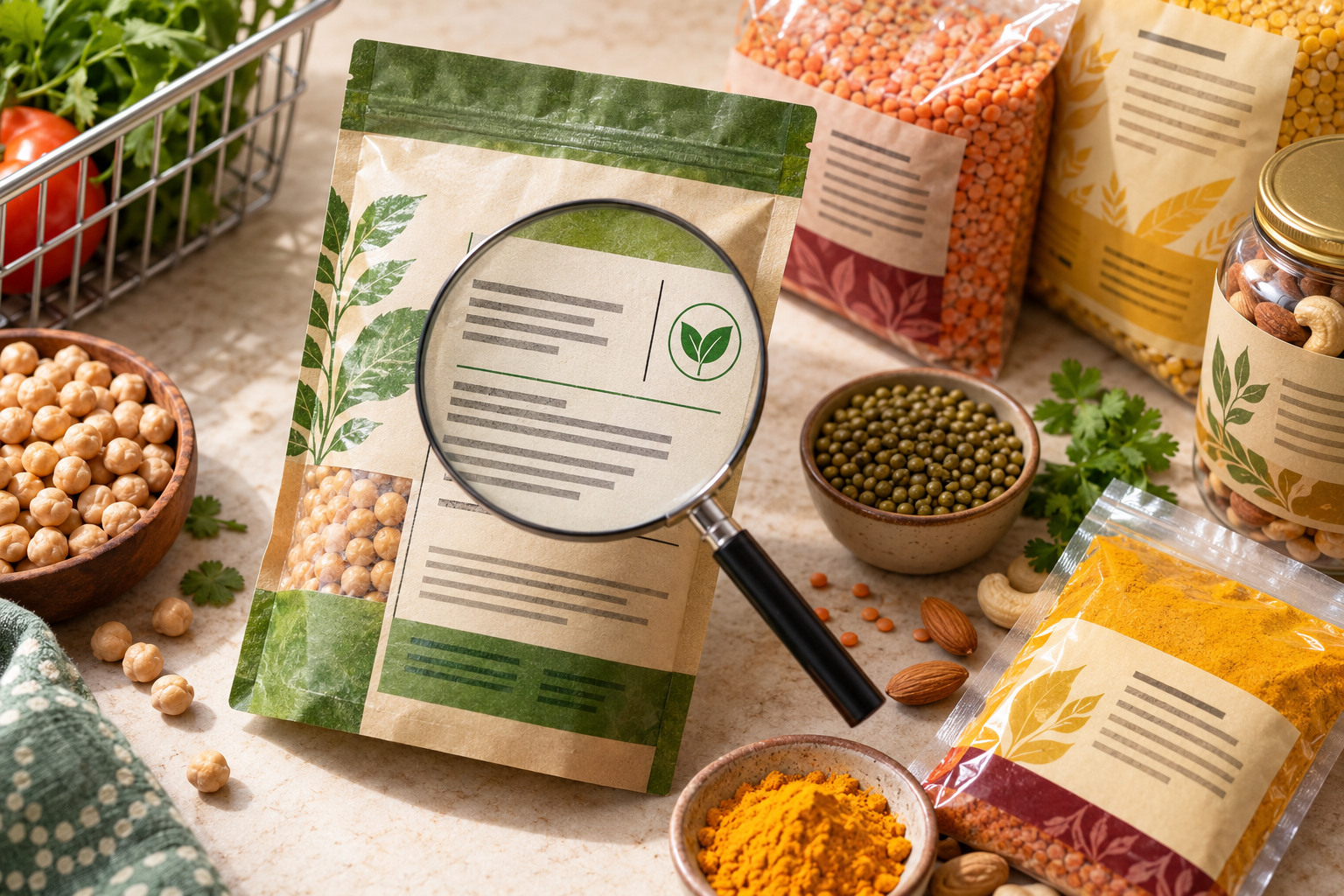
Front-of-pack claims are marketing. Turn the product over and check the full ingredient list, manufacturer, importer and batch information. Search the brand’s current policy rather than relying on an old social-media post.
For food, India has a regulated vegan definition and a dedicated FSSAI vegan mark under the Food Safety and Standards (Vegan Foods) Regulations, 2022. Cosmetics are a different regulatory category, so the food mark should not be treated as a universal beauty certification.

How to assess a certification
A useful certification should publish its standard, define whether ingredients and suppliers are covered, explain audit or documentation requirements and provide a searchable database of approved products or companies.
The Vegan Society’s Vegan Trademark addresses animal ingredients and animal testing within its standard. Cruelty Free International’s Leaping Bunny programme focuses on animal-testing controls and supply-chain monitoring. Because their scopes differ, some shoppers look for both vegan and cruelty-free assurance.
A bunny icon drawn by the brand itself is not necessarily a certification. Verify the exact logo and search the certifier’s directory.
Ask brands precise questions
When the answer is unclear, send a compact checklist:
- Does this exact product contain any ingredient or processing aid of animal origin?
- What are the sources of glycerin, stearic acid and squalene?
- Are the finished product and its ingredients tested on animals by the company, suppliers or third parties?
- Does the policy apply in every market where the brand sells?
- Is the claim independently certified, and can you share the listing?
A specific written answer is more useful than “we love animals” or “not tested unless required by law”.
Build a lower-waste vegan routine
Ethical beauty is not a reason to discard usable products overnight. If a product is safe for you and already purchased, finishing it or passing it to someone who will use it may create less waste than an immediate replacement.
When it is time to buy, choose products you will actually finish. Multipurpose balms, refillable formats, concentrated bars and durable applicators can reduce packaging, but only when they suit your skin and routine.
Patch-test unfamiliar formulas and seek qualified medical advice for persistent irritation or skin conditions. “Vegan” describes an ethical formulation choice; it is not a promise that every ingredient will suit every person.
Why this is an animal-rights issue
Animals used for pigments, waxes, proteins or tests are often hidden behind technical words. Clear labels turn that hidden relationship into a choice.
As India’s courts increasingly recognise animal sentience, explored in our guide to animal sentience and Indian law, everyday purchasing can move in the same direction: away from treating animals as raw materials and towards products designed without exploitation.
The best label is not the one with the greenest aesthetic. It is the one backed by a clear ingredient policy, a credible testing policy and evidence you can verify.
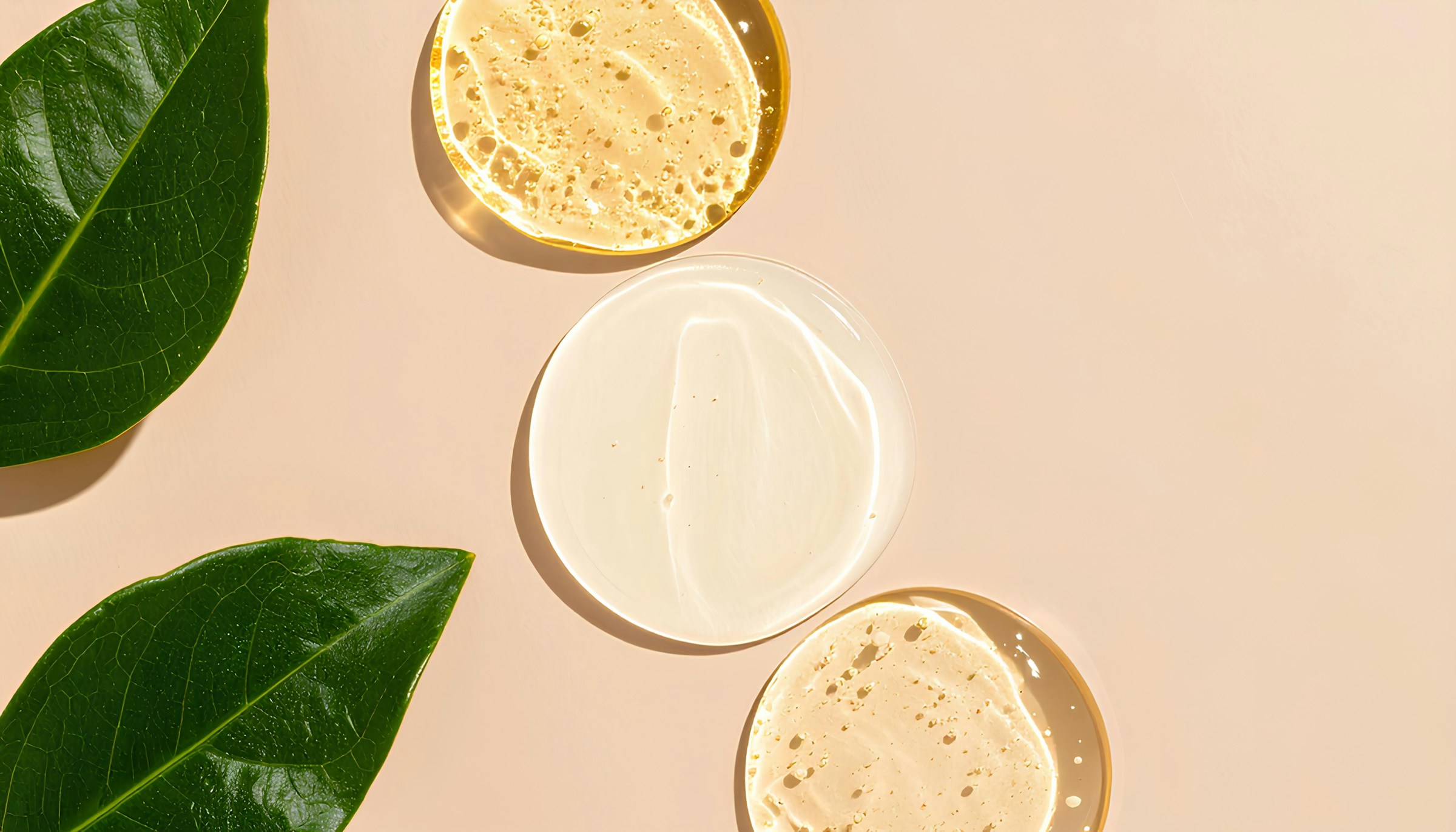
Regulatory context checked 6 October 2026. Main image: ibnu ihza on Unsplash, used under the Unsplash License.































Leave a Reply
Let us know what you think about the blog post above, we’re interested in hearing from you!