
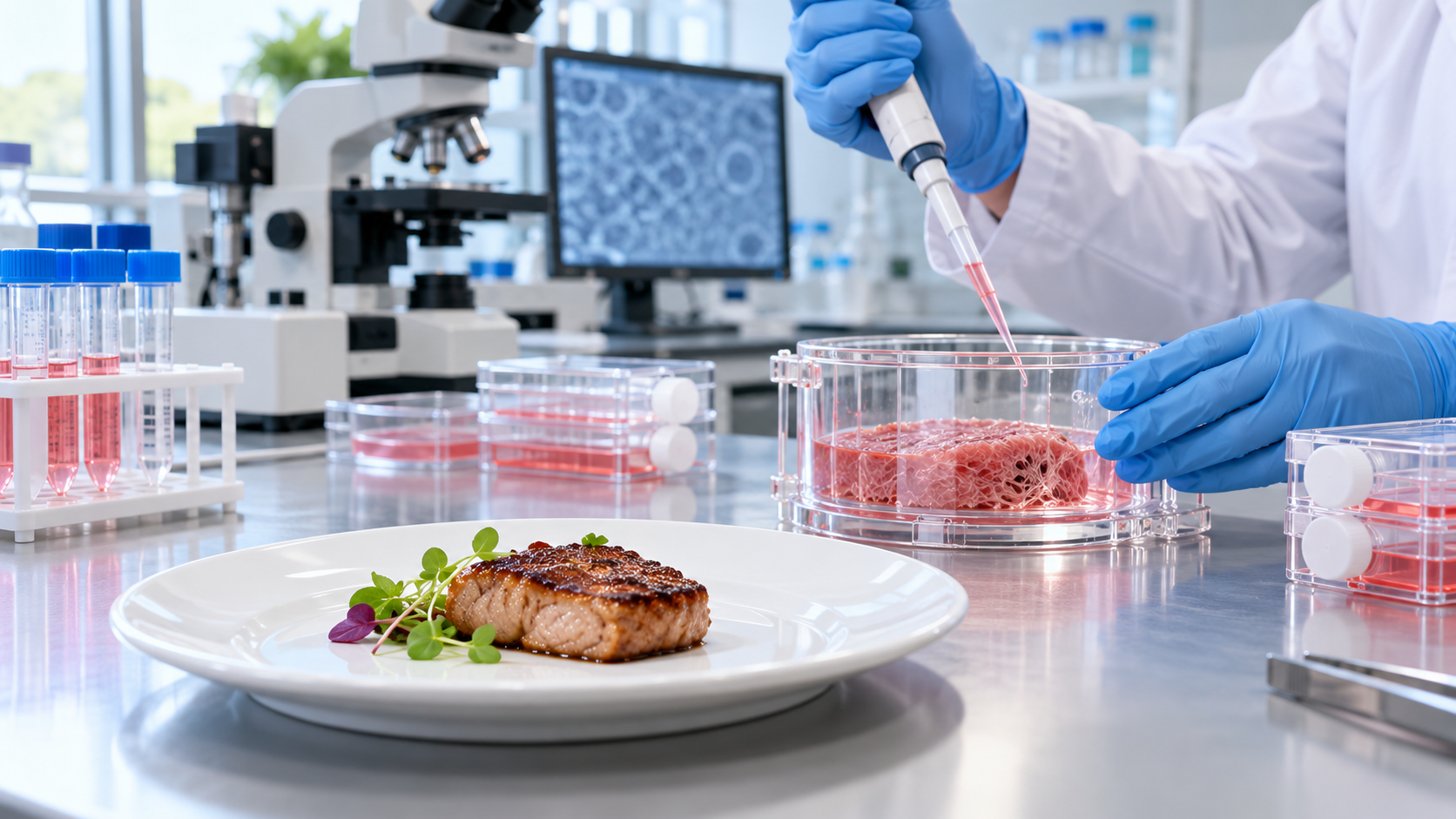
Cultivated meat is real animal tissue grown from cells rather than produced by raising and slaughtering an animal for every meal. That makes it one of the most provocative questions in food ethics: if the end product is meat, but far fewer animals are used, is it vegan?
The short answer is no under the usual dietary definition. It is derived from animal cells. But the ethical answer is more interesting, because cultivation could reduce slaughter while still depending on animal use, biological inputs and energy-intensive production.
How cultivated meat is made
Producers begin with animal cells selected for their ability to grow. The cells are placed in a nutrient-rich growth medium and multiplied under controlled conditions. They are then encouraged to become muscle, fat or connective tissue and assembled into food.
The FAO and WHO’s 2023 food-safety report describes cell-based food as animal agricultural products grown directly from cell cultures. It also stresses that regulators must examine the whole process: cell lines, media, equipment, contamination controls, scaffolds and final products.
This is biotechnology, not a plant-based imitation. A lentil burger transforms plants into food. Cultivated meat grows animal cells.
Why most vegans would not call it vegan
The Vegan Society defines veganism as seeking to exclude animal exploitation and cruelty as far as possible and practicable, and describes a vegan diet as dispensing with products derived wholly or partly from animals. Cultivated meat begins with animal cells, so it does not meet that straightforward dietary test.
Some production methods have also used animal-derived growth inputs, including serum. The industry is working on animal-free and serum-free media because they can improve ethics, consistency and cost, but consumers should not assume every future product will use the same process.
If a company wants ethical trust, it should publish clear answers: how cells were obtained, whether animals are repeatedly biopsied, whether any animal-derived material is used in the medium, and how animal testing shaped regulatory approval.
Could it still help animals?
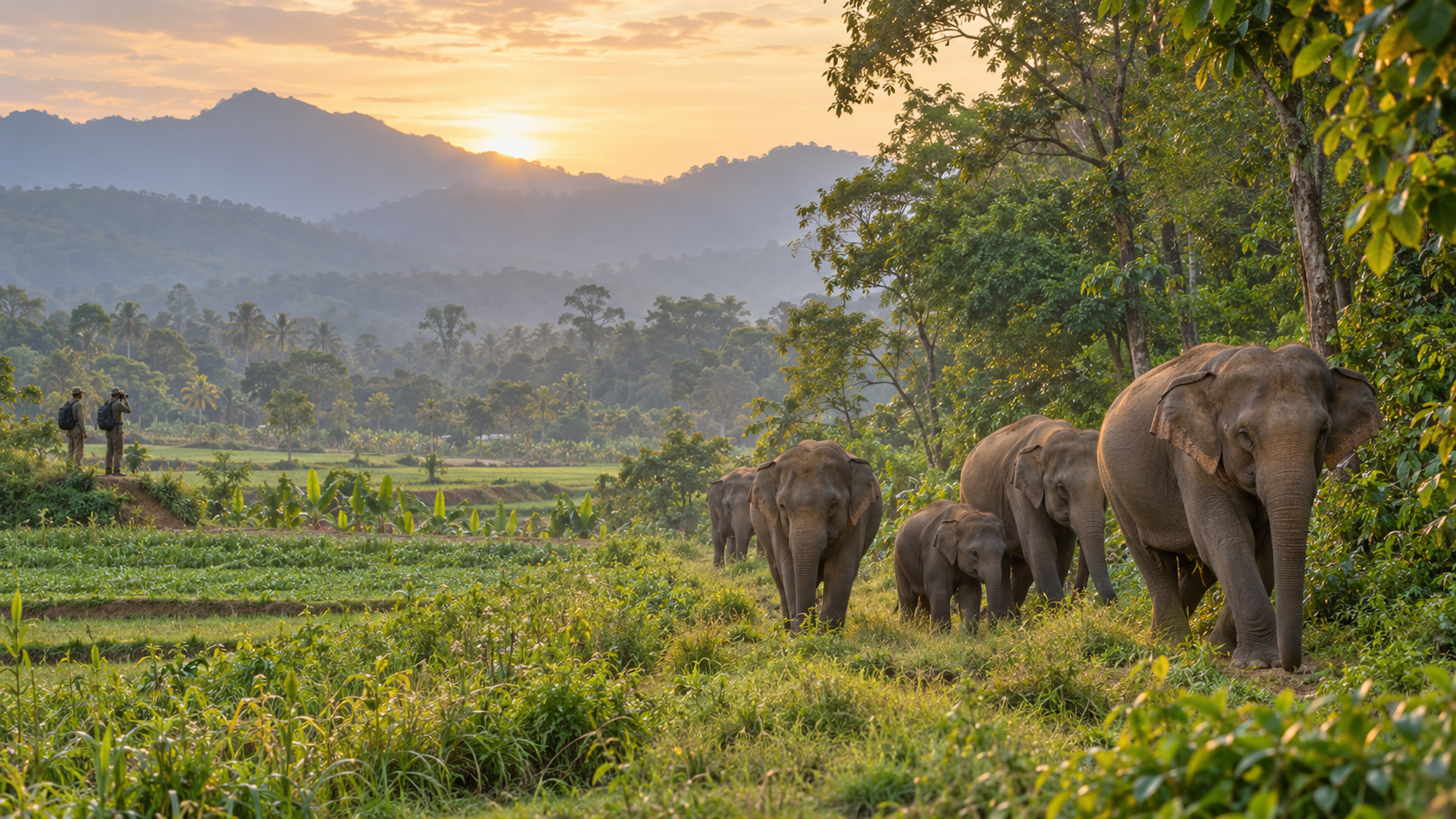
Yes, potentially. A food system that obtains a cell sample and grows many meals could use and kill far fewer animals than conventional farming. That difference matters enormously when billions of sentient beings are bred, confined and slaughtered each year.
But “less harm” and “vegan” are not identical labels. A medicine may be non-vegan yet necessary. A technology may reduce suffering without representing the animal-free future vegans are building. Precise language lets us support harm reduction without erasing ongoing animal use.
The environmental promise is not automatic
Advocates point to possible reductions in land use, manure pollution and pressure on habitats. Those benefits depend on what energy powers the facilities, how efficiently growth media are made and which conventional meat the product replaces.
A high-energy process powered by fossil fuels is a different proposition from an efficient facility running on renewable electricity. Marketing claims should be based on commercial-scale evidence, not only small pilot studies.
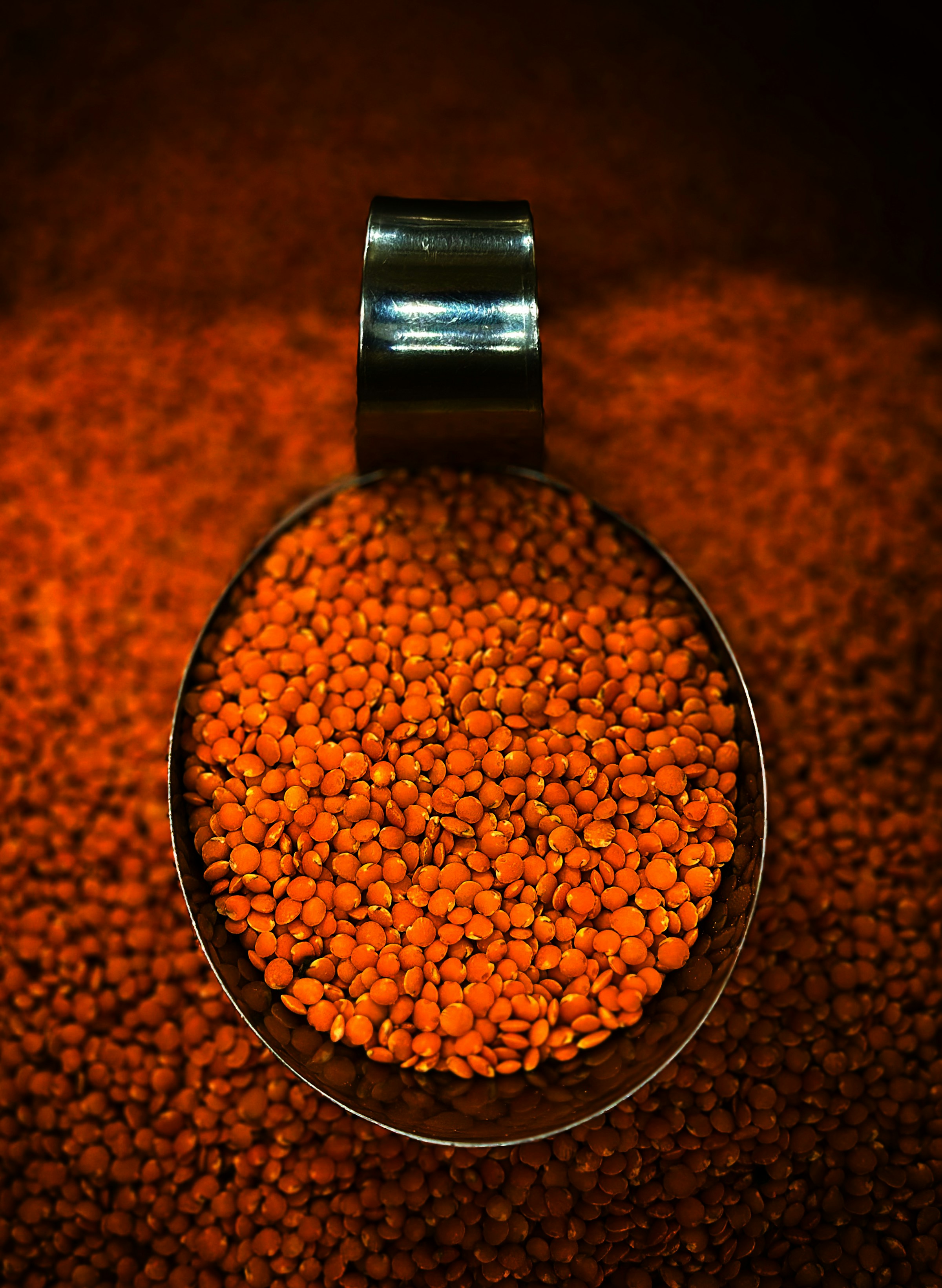
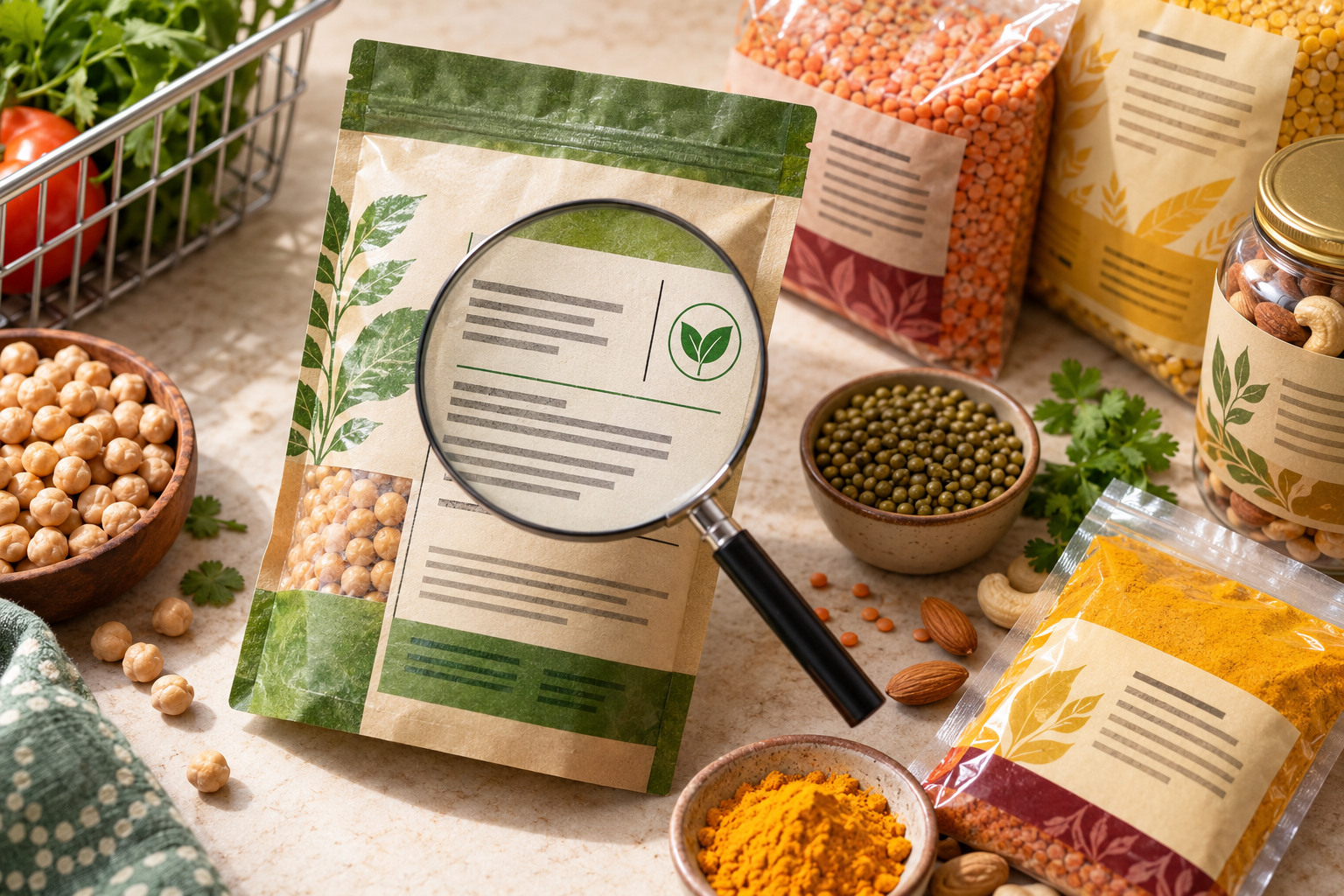
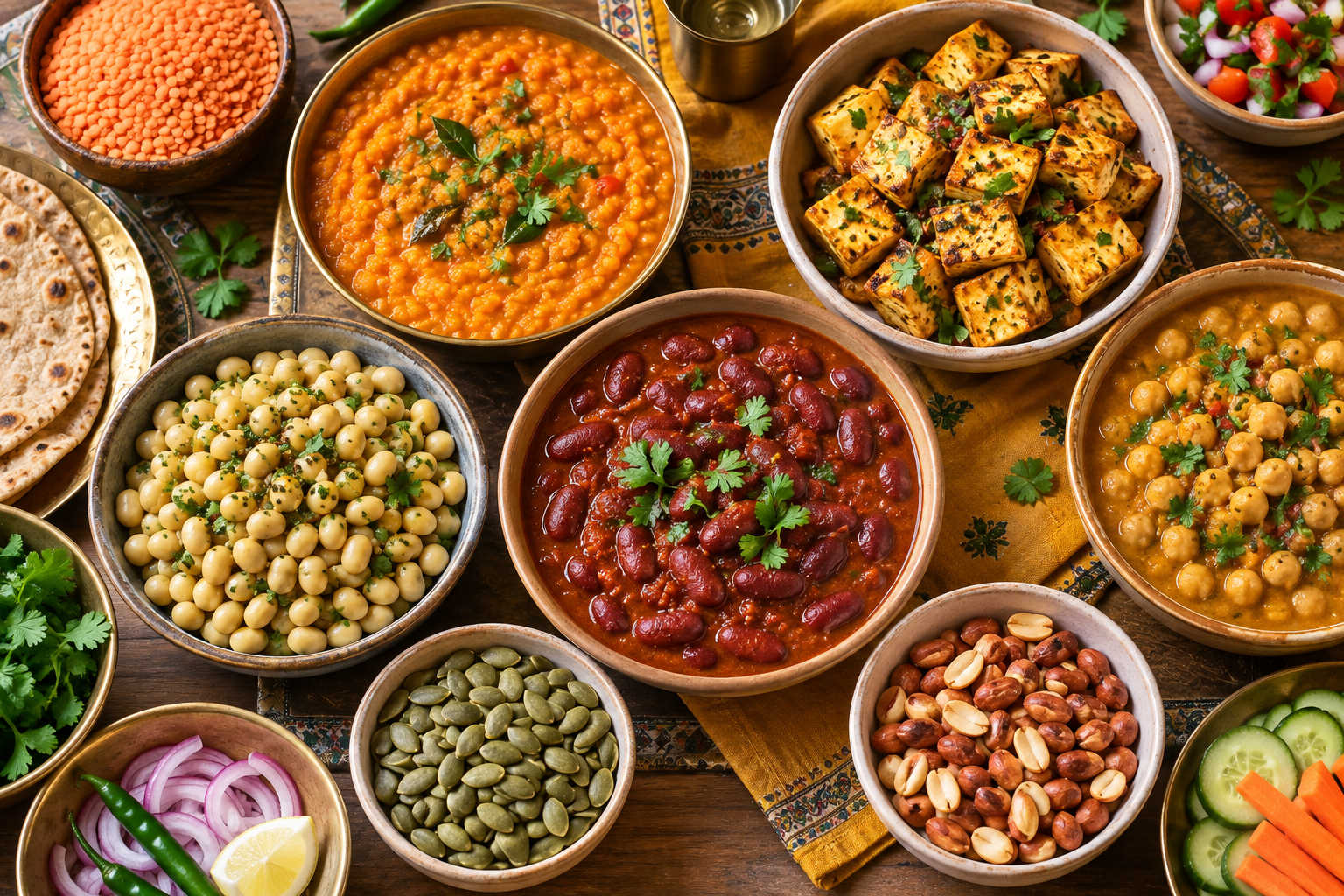
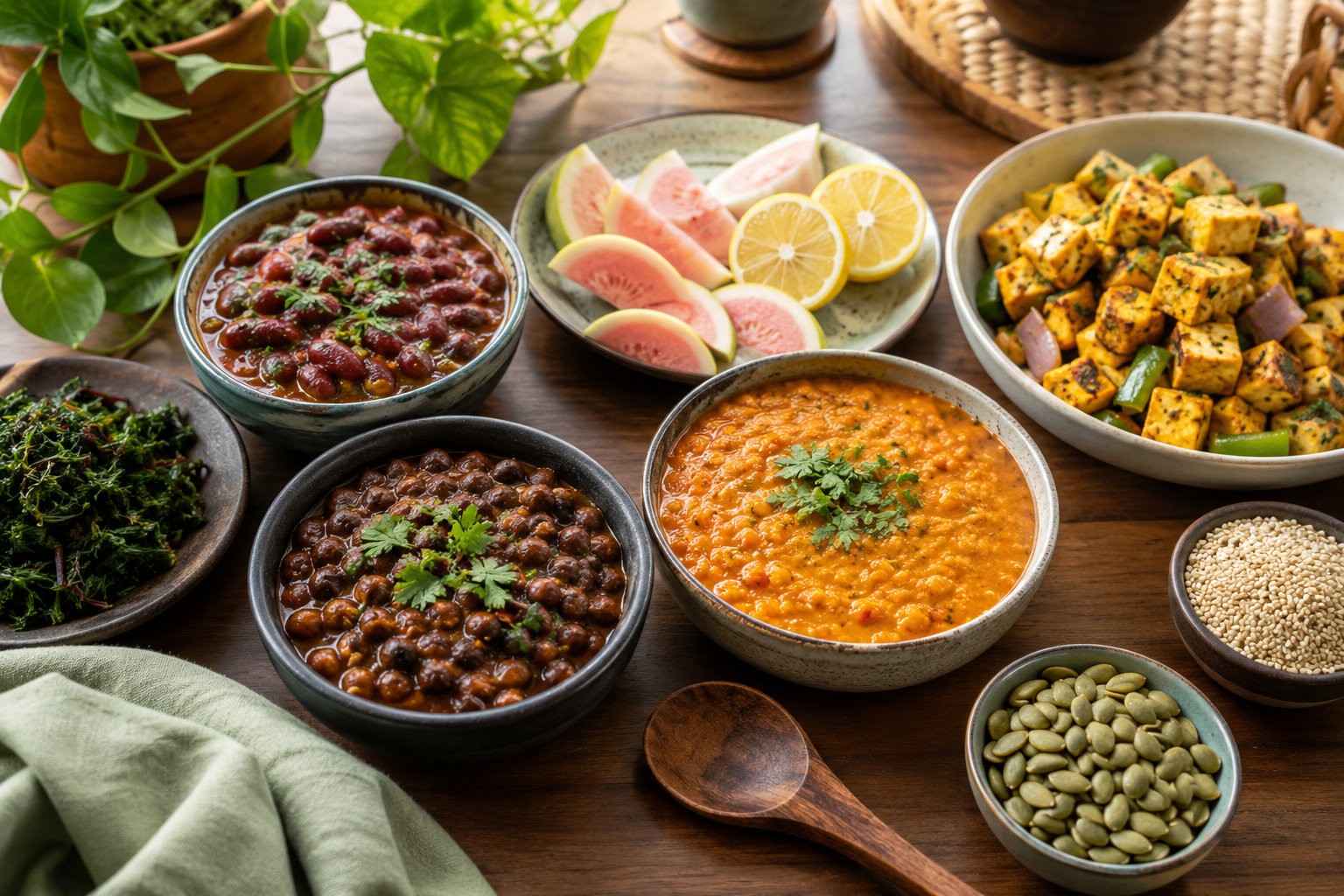
Plant proteins already exist at scale and usually avoid the cell-culture step entirely. Beans, lentils, tofu, tempeh and minimally processed plant foods therefore remain the simplest path for most people who want affordable, animal-free meals. Our guide to ultra-processed vegan foods explains why processing level and ethics are separate questions.
What about food safety?
Cultivated meat should not be treated as inherently dangerous or automatically safe. FAO and WHO found that many potential hazards are familiar from other foods, while some relate specifically to cell culture materials, inputs and equipment. That is why pre-market assessment, traceability and transparent labelling matter.
Regulation also varies by country. Approval in one market does not mean a product is approved everywhere, and a media headline about an investment is not the same as food being available in shops.
Five questions to ask any cultivated-meat brand
- Which animal species and cell line does the product come from?
- How were the original cells collected, and is further sampling required?
- Is the growth medium completely free from animal-derived ingredients?
- What independent evidence supports its safety and environmental claims?
- Will the label clearly distinguish cultivated meat from plant-based food?
Our view
Kindness with Amy supports a food system that no longer treats animals as raw materials. Cultivated meat may become a useful transition tool for people who would otherwise buy slaughtered meat, particularly where texture and familiarity drive choices.
We would not label animal-cell meat vegan. We would welcome genuine reductions in suffering, demand transparent production and keep investing our everyday meals in plants. If you are ready for the fully animal-free option now, start with our practical vegetarian-to-vegan guide and the recipes across this site.
The honest position is neither hype nor dismissal: cultivated meat deserves careful scrutiny, clear labels and an ethical benchmark that keeps the animals—not novelty—at the centre.


















Leave a Reply
Let us know what you think about the blog post above, we’re interested in hearing from you!