

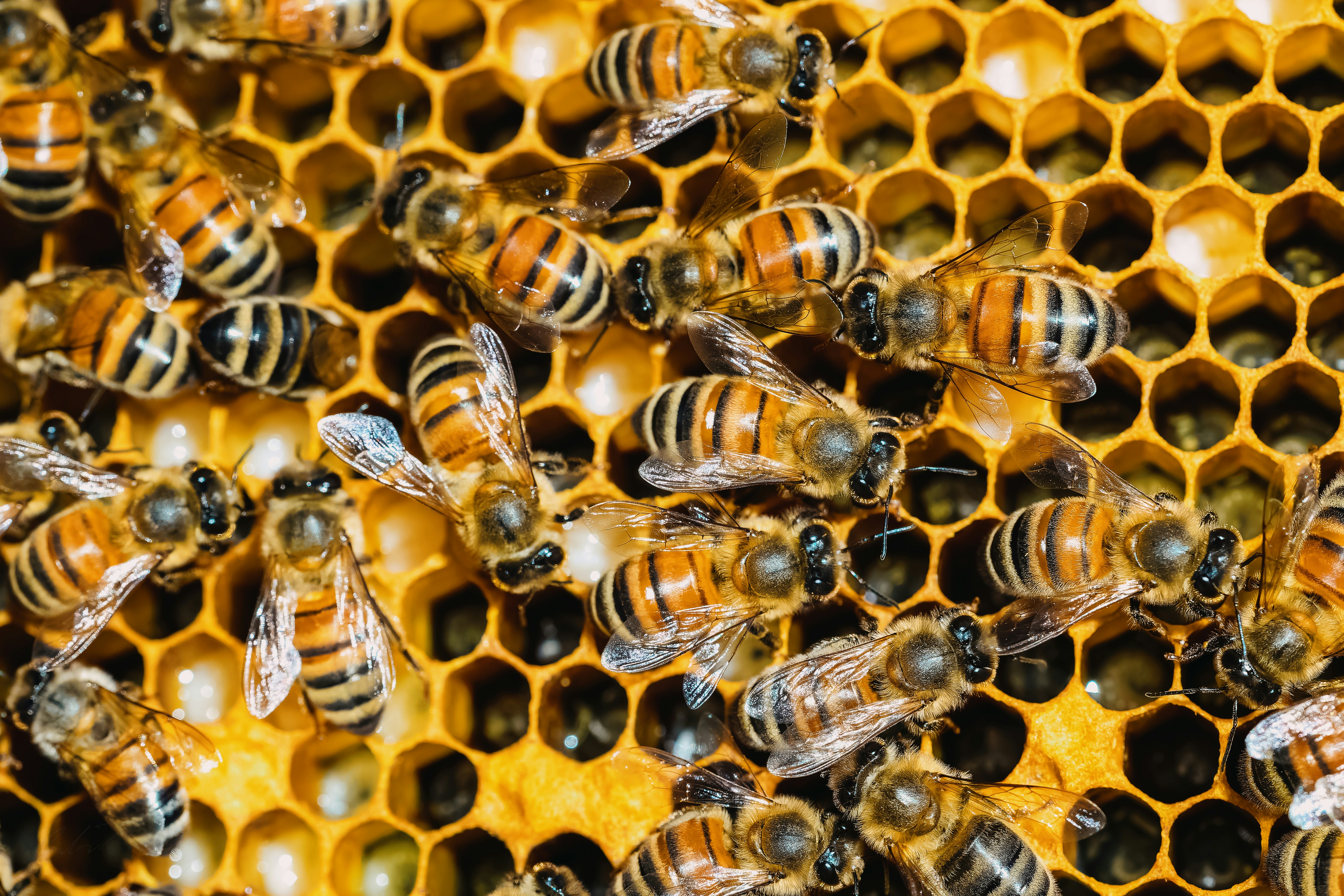
Honey is often treated as a harmless “natural sweetener”, which is why it creates so much confusion for people moving toward vegan living. The simple answer is no: honey is not vegan. It is produced by bees for their own colony, and taking it turns an animal-made food into a human commodity.
Why bees make honey
Worker bees collect nectar, transform it with enzymes and reduce its water content inside the hive. The finished honey is a concentrated food reserve that helps the colony survive periods when flowers are scarce. It is not excess made for us.
The Vegan Society explains that harvesting honey conflicts with veganism because it involves using animals and can compromise their health. Its broader definition of veganism aims to avoid animal exploitation—not only the most visible forms of cruelty.
What can happen in commercial beekeeping?
Practices differ between small apiaries and industrial operations, so sweeping claims are unhelpful. But commercial production can involve replacing harvested honey with sugar syrup, manipulating colonies for output, clipping a queen’s wings, transporting hives long distances and killing colonies that are not considered economical to maintain.
Even when a beekeeper avoids the harshest practices, the ethical question remains: should we breed and manage another species so that we can take the food it made?
“But don’t bees make too much honey?”
A colony’s stores fluctuate with weather, season, disease and flowering patterns. Humans cannot reliably define every amount above immediate consumption as “spare”. Beekeepers may leave enough honey for winter, but leaving a calculated ration is different from recognising the entire store as belonging to the colony.
Veganism asks us to move away from treating animals—and what they produce—as resources whenever practical alternatives exist.

What about pollination?
Bees and other insects are vital pollinators, but buying honey is not the same as protecting wild pollinator diversity. Managed honeybee colonies can compete with wild pollinators in some settings and do not replace the habitat that native bees, moths, butterflies, beetles and flies need.
You can support pollinators more directly by planting native flowering species, avoiding insecticides, leaving some bare ground and stems for nesting, supporting pesticide reduction and protecting diverse habitat.
Is local or “ethical” honey vegan?
Local honey may travel fewer kilometres and a small beekeeper may use gentler methods, but it is still an animal product. “Raw”, “organic”, “forest” and “wild” describe sourcing or processing; they do not make honey vegan.
Easy vegan substitutes in India
- Date syrup: rich and caramel-like for porridge, toast and desserts.
- Jaggery syrup: familiar, affordable and excellent in Indian sweets or drinks.
- Maple syrup: useful in baking and breakfast dishes, though usually more expensive.
- Agave syrup: mild tasting and easy to mix into cold drinks.
- Molasses: strong and mineral-rich; best used in smaller amounts.
For most recipes, use a liquid sweetener in a similar quantity and then adjust for sweetness and moisture. Remember that every syrup is still a source of free sugar, so “vegan” does not automatically mean unlimited.
Check more than the obvious jar
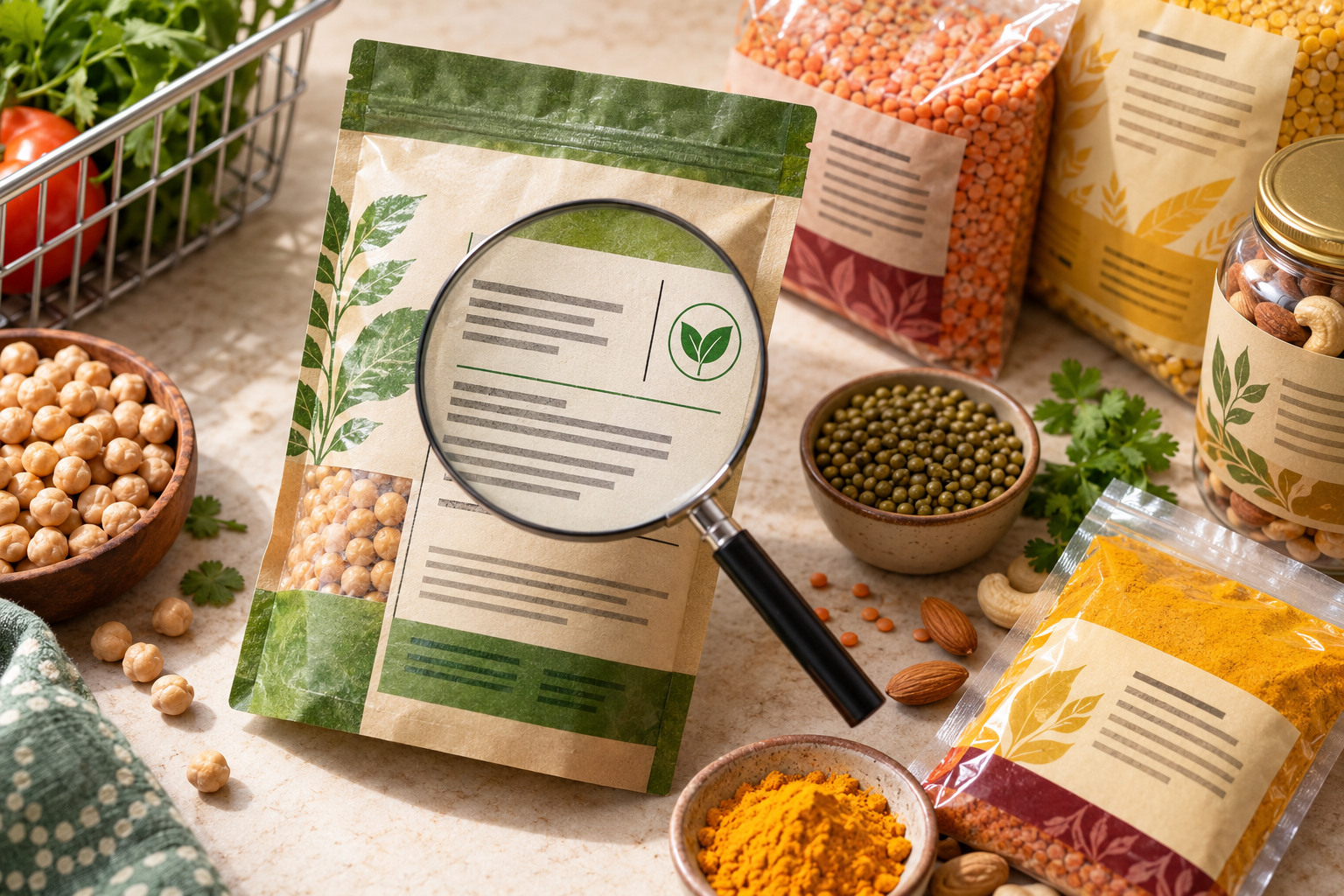
Honey also appears in breakfast cereals, granola, breads, sauces, confectionery, cough sweets, cosmetics and lip balms. Beeswax, propolis and royal jelly are also bee-derived. Read the full ingredient list and look for a credible vegan certification where practical.
The bottom line
Honey is made by bees for bees. Because date, jaggery, maple and other plant-based alternatives are readily available, leaving honey with the colony is a simple expression of ahimsa.
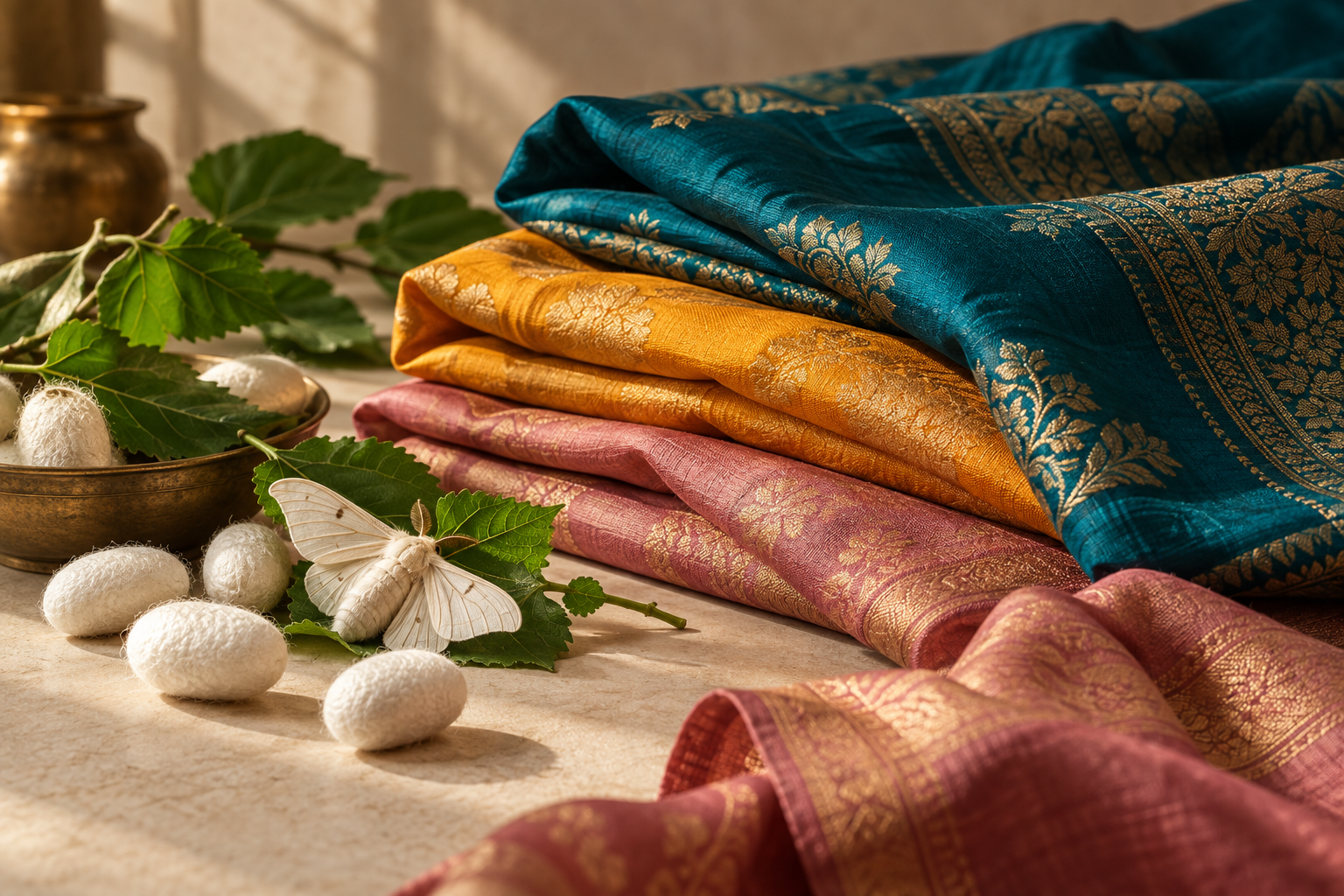
Continue with our guides to whether silk is vegan and the impact of dairy milk for more everyday swaps.













Leave a Reply
Let us know what you think about the blog post above, we’re interested in hearing from you!