

India has abundant sunshine, yet vitamin D deficiency is common. Indoor routines, covered skin, air pollution, darker skin pigmentation, age and limited dietary sources can all affect vitamin D status. Vegan or not, sunlight alone is not a guarantee.
The good news is that vegans have clear options: UV-exposed mushrooms, fortified foods, vitamin D2 and lichen-derived vitamin D3.
What vitamin D does
Vitamin D helps the body absorb calcium and supports bone, muscle and immune function. The ICMR–National Institute of Nutrition’s 2020 recommendations list 600 IU (15 micrograms) a day for adults.
Very few foods naturally contain much vitamin D. That is why fortified foods and supplements are important for many people, not just vegans.
Can sunlight provide enough?
Your skin can make vitamin D after UVB exposure, but there is no single safe number of minutes that works for everyone. Time of day, season, latitude, cloud cover, pollution, skin tone, age, clothing and sunscreen all change production.
The ICMR–NIN Dietary Guidelines for Indians recommend sunlight exposure for vitamin D, while skin-cancer guidance still matters. Do not deliberately burn or abandon sun protection to raise vitamin D.
A blood test measuring 25-hydroxyvitamin D is the practical way to check status when there is a concern. A clinician can interpret the result in the context of symptoms, medicines and health history.
Vegan food sources of vitamin D
UV-exposed mushrooms
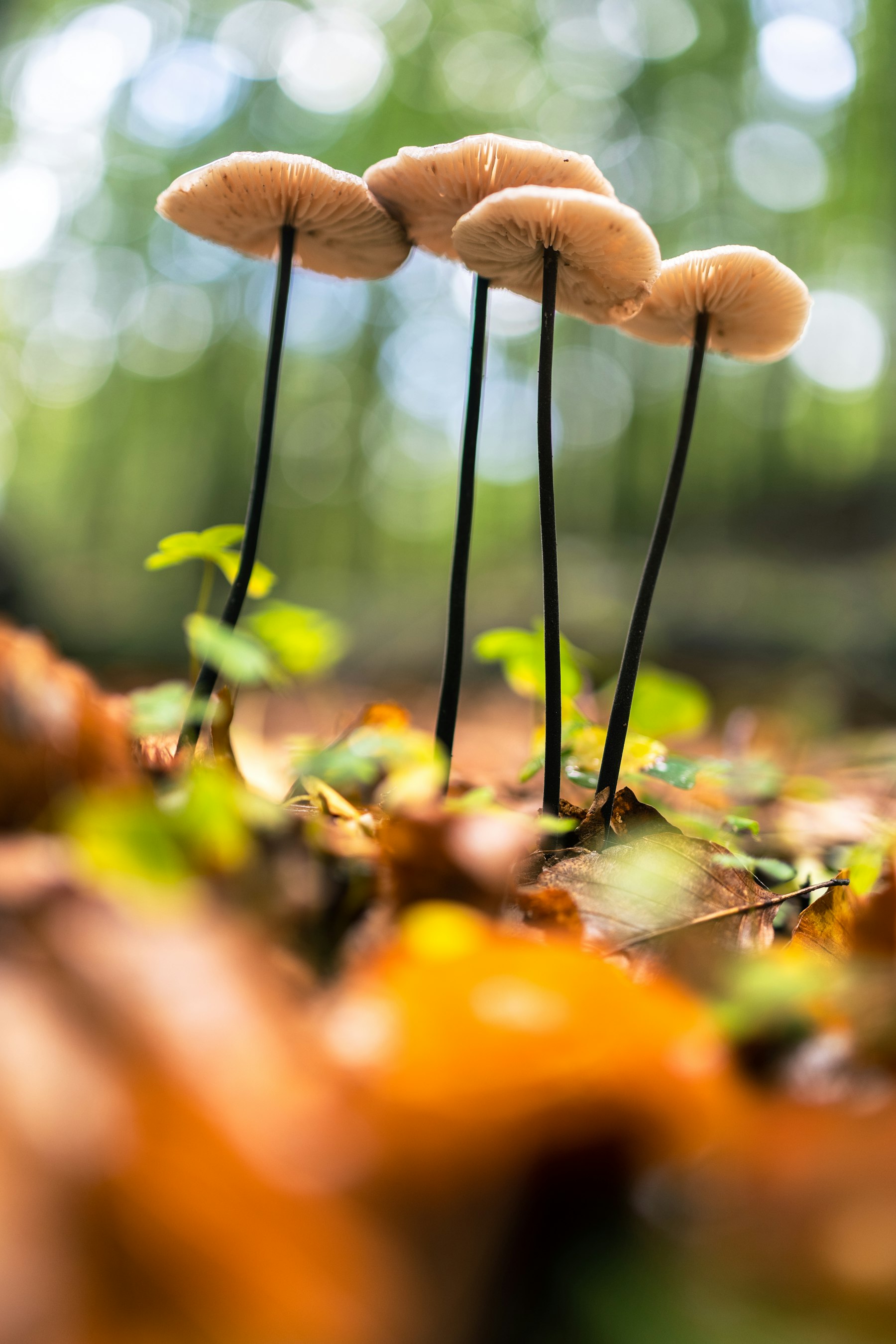
Mushrooms can provide vitamin D2, especially when treated with ultraviolet light. The amount varies, so check the nutrition panel or product claim rather than assuming every mushroom contains a meaningful dose.
Fortified plant milks
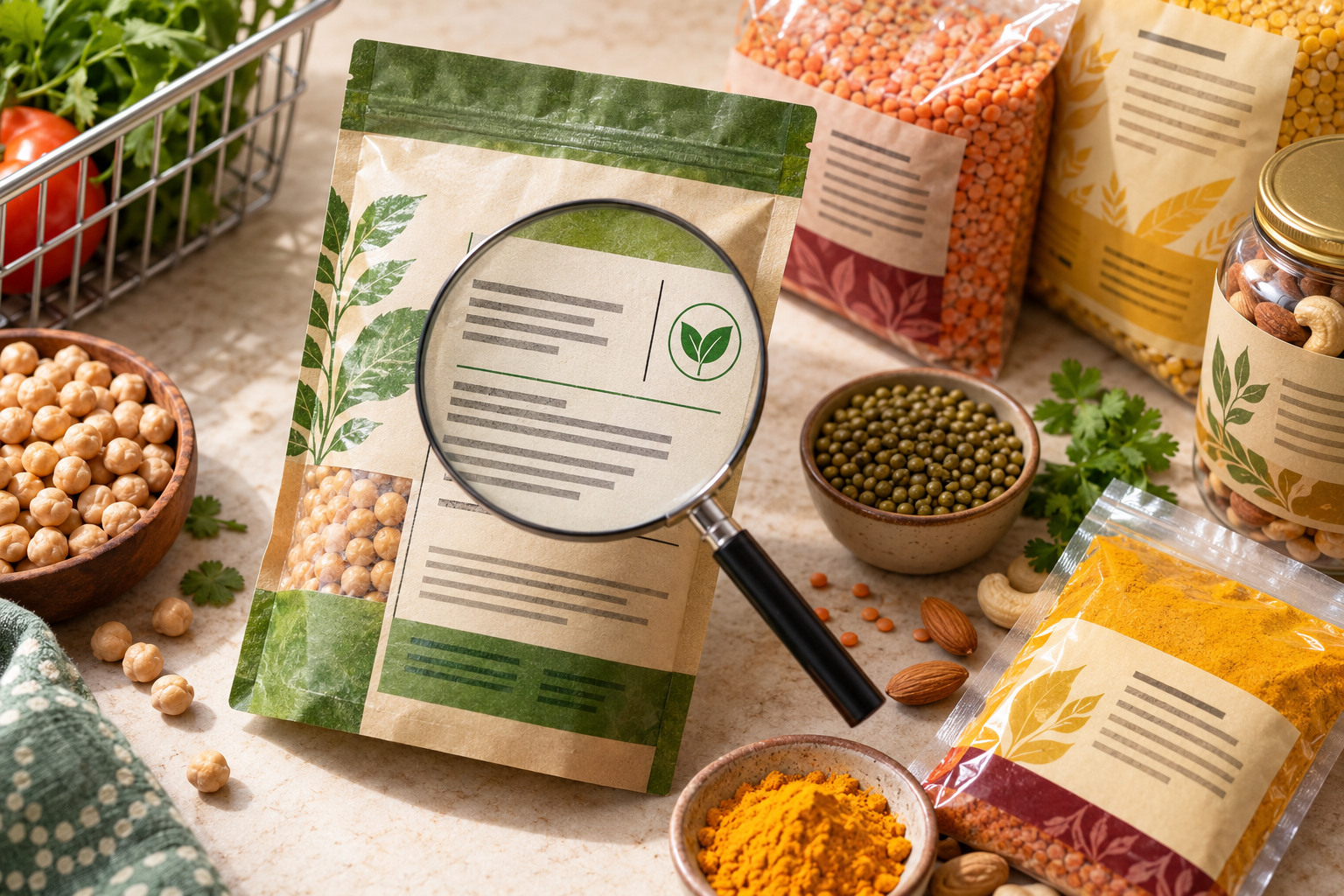
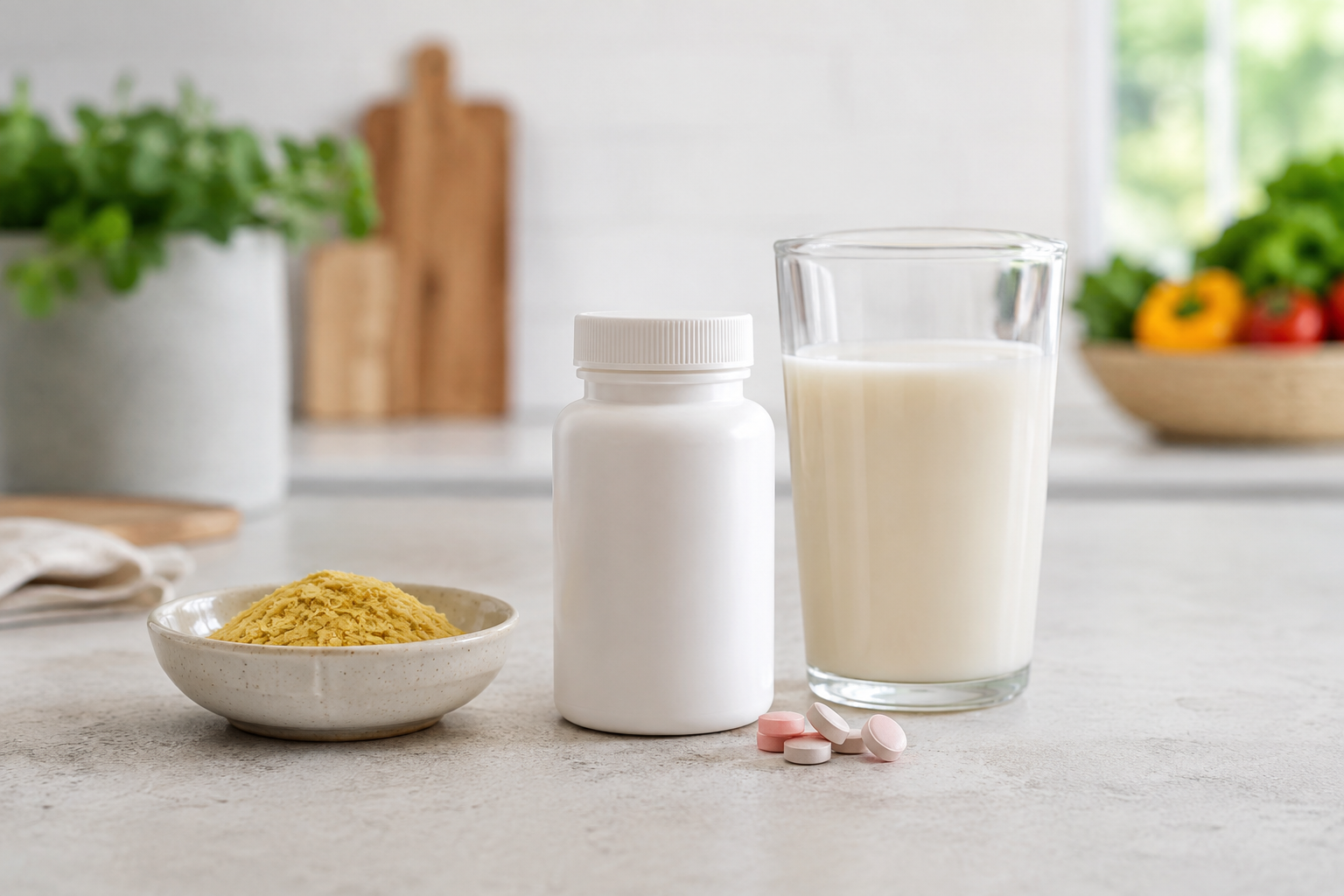
Some soy, oat, almond and other plant beverages are fortified with vitamin D. Brands differ, and many Indian products are not fortified. Shake the carton, compare labels and check the amount per serving.
Fortified cereals and spreads
Breakfast cereals, margarine-style spreads and other packaged foods may contain added vitamin D. “Plant-based” does not automatically mean fortified, so the label is the deciding factor.
Vitamin D2 versus vegan vitamin D3
Vitamin D2 (ergocalciferol) is vegan. Vitamin D3 (cholecalciferol) has traditionally been made from lanolin, which comes from sheep’s wool, so ordinary D3 should not automatically be assumed vegan.
Vegan D3 is now made from lichen. Look for wording such as “lichen-derived D3” or a clear vegan certification. FSSAI has approved plant-based, lichen-derived vitamin D3 ingredients in India, so these products are increasingly available.
According to the NIH vitamin D fact sheet, both D2 and D3 raise blood vitamin D, although D3 may raise it higher and for longer. The right choice depends on availability, dose and individual clinical needs.
Should every vegan take a supplement?
Not automatically. But a supplement is worth discussing if you spend little time outdoors, cover most of your skin, have darker skin, are older, have a condition that affects fat absorption, or have a low blood result.
Do not use high-dose “loading” regimens without medical supervision. The NIH lists 4,000 IU (100 micrograms) a day as the adult upper limit from all sources for routine unsupervised intake; clinicians may prescribe more temporarily to treat deficiency.
A practical India checklist
- Check whether your plant milk is fortified with vitamin D and calcium.
- Choose UV-exposed mushrooms when available.
- If buying D3, confirm it is lichen-derived or vegan certified.
- Ask for a 25-hydroxyvitamin D test if you have risk factors or symptoms.
- Take fat-soluble vitamin D with a meal that contains some fat, unless your clinician advises otherwise.
- Do not combine multiple supplements without checking the total dose.
The bottom line
Vitamin D planning belongs in every diet conversation, including vegan diets. Use sensible sunlight, label-checked fortified foods and a verified vegan supplement when needed. Build the rest of your nutrition around varied whole plant foods, and see our guides to vegan calcium sources in India and vitamin B12.
This article is educational and is not a substitute for personalised medical advice.
















Leave a Reply
Let us know what you think about the blog post above, we’re interested in hearing from you!